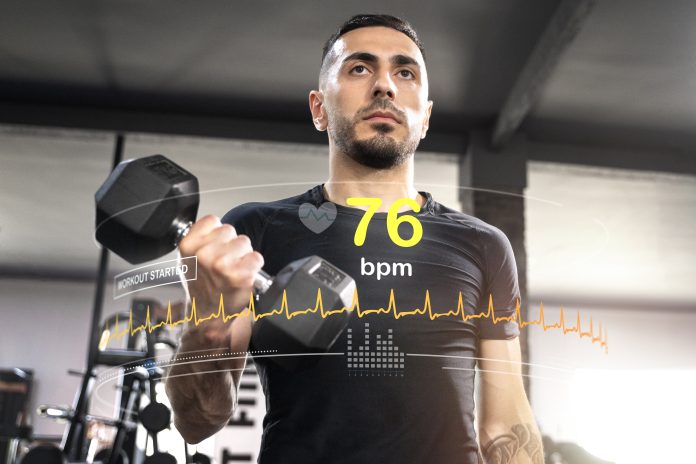
Healthy Habits Weight Loss Program

Exploring Comprehensive Personal Training Courses

Ready to kickstart your journey towards a healthier you? If you’re tired of crash diets and temporary fixes, you’re in the right place. Our program focuses on sustainable lifestyle changes that promote weight loss and overall well-being.

No more extreme restrictions or yo-yo dieting—just simple, effective strategies to help you reach your goals and maintain them for the long haul. Say goodbye to fad diets and hello to a happier, healthier you with our Healthy Habits Weight Loss Program!

Understanding Your Goals

Healthy Habits Weight Loss Program

Before delving into the specifics of the Healthy Habits Weight Loss Program, it’s essential to take a moment to reflect on your personal goals and aspirations. What motivates you to embark on this journey?

Whether it’s improving your health, boosting your confidence, or simply feeling more comfortable in your own skin, clarifying your objectives will serve as the foundation for your success.

If you want to lose weight, you can try out Beyond Body. You may ask, “What is Beyond Body?” For that, you can read our Beyond Body review. Check the code below to get up to 60% off.


ribbon
Beyond Body - 67% Off Discount Code

Beyond Body - 67% Off Discount Code

Up to 67% OFF Beyond Body Checkout Code - LARGEST discount on the internet!
AUTO APPLIED AT CHECKOUT
SHOW COUPON
On Going Offer
  • It Works 100% Success It Doesn't
  • Mindful Eating Practices

    Mindful eating is more than just paying attention to what you eat; it’s about cultivating a deeper connection with your food and your body. This approach involves being fully present during mealtimes, savoring each bite, and listening to your body’s hunger and satiety cues.

    By slowing down and tuning into your body’s signals, you can develop a healthier relationship with food and make more conscious choices that support your weight loss goals.

    Wanna know more about what to eat during weight loss, you can check out our article “Tips for Eating Out While Losing Weight”.

    Balanced Nutrition

    In addition to mindful eating, the Healthy Habits Weight Loss Program emphasizes the importance of balanced nutrition. Rather than focusing on strict diets or cutting out entire food groups, this program encourages a balanced approach that includes a variety of whole foods.

    By prioritizing nutrient-dense options such as fruits, vegetables, lean proteins, and whole grains, you can fuel your body with the essential nutrients it needs to thrive while supporting your weight loss efforts.

    Regular Physical Activity

    Healthy Habits Weight Loss Program

    Regular physical activity is essential for both weight loss and overall health. The Healthy Habits Weight Loss Program encourages finding activities that you enjoy and making them a regular part of your routine.

    Whether it’s going for a walk, hitting the gym, or trying out a new fitness class, staying active helps burn calories, build muscle, and improve cardiovascular health. Plus, exercise releases endorphins, which can boost your mood and reduce stress.

    Mindset and Motivation

    Maintaining a positive mindset and staying motivated are key components of any successful weight loss journey. The Healthy Habits Weight Loss Program provides strategies for cultivating a positive outlook and overcoming obstacles along the way.

    By focusing on progress rather than perfection, setting realistic goals, and celebrating your successes, you can build the resilience and determination needed to stay committed to your health and wellness goals.

    Support and Accountability

    Embarking on a weight loss journey can feel overwhelming at times, which is why having support and accountability can make all the difference. The Healthy Habits Weight Loss Program offers a supportive community of like-minded individuals who are there to cheer you on and offer encouragement every step of the way.

    Additionally, regular check-ins with a health coach provide accountability and guidance, helping you stay on track toward reaching your goals.

    Lifestyle Modifications

    Healthy Habits Weight Loss Program

    In addition to adopting healthy eating habits and incorporating regular physical activity, the Healthy Habits Weight Loss Program encourages making lifestyle modifications that support your overall well-being.

    This may include getting an adequate amount of sleep each night, managing stress through relaxation techniques such as meditation or yoga, and prioritizing self-care activities that nourish your body, mind, and soul. By making small, sustainable changes to your lifestyle, you can create a foundation for long-term success and well-being.

    Holistic Approach

    The Healthy Habits Weight Loss Program takes a holistic approach to weight loss, recognizing that optimal well-being encompasses more than just the number on the scale. In addition to addressing dietary and exercise habits, this program also considers factors such as stress management, sleep quality, and emotional well-being.

    By addressing the whole person—body, mind, and spirit—the Healthy Habits Weight Loss Program helps participants achieve sustainable results that extend beyond physical appearance.

    Flexibility and Adaptability

    Healthy Habits Weight Loss Program

    Recognizing that everyone’s journey toward health and wellness is unique, the Healthy Habits Weight Loss Program offers flexibility and adaptability to meet individual needs and preferences.

    Whether you have dietary restrictions, physical limitations, or a busy schedule, this program can be tailored to fit your lifestyle. With customizable meal plans, adaptable exercise routines, and personalized support from health coaches, participants can navigate their weight loss journey with confidence and ease.

    This flexibility ensures that the program remains accessible and effective for people from all walks of life, empowering them to take charge of their health and transform their lives.

    Celebrating Success

    Finally, it’s important to celebrate your success along the way. Whether you’ve reached a significant milestone or simply made progress toward your goals, taking the time to acknowledge and celebrate your achievements can help keep you motivated and inspired to continue on your journey toward optimal health and well-being.

    Whether it’s treating yourself to a spa day, buying yourself a new workout outfit, or simply patting yourself on the back, celebrating your successes reinforces positive behaviors and helps you stay focused on your goals.

    Beyond Body – Ultimate Weight Loss Program

    Healthy Habits Weight Loss Program

    Beyond Body stands out due to its personalized approach to nutrition and fitness, tailoring meal and exercise plans to your preferences and needs. The 28-day meal plan not only promotes healthy eating but also makes it enjoyable, ensuring you savor delicious meals while prioritizing your well-being.

    Beyond Body goes beyond mere weight loss, acting as a supportive companion on your journey to a healthier and happier life.

    If you’re interested, check out our comprehensive Beyond Body review. Take the brief quiz to embark on your personalized health journey and unlock exclusive savings of up to 60% off using the code provided below:

    ribbon
    Beyond Body - 67% Off Discount Code

    Beyond Body - 67% Off Discount Code

    Up to 67% OFF Beyond Body Checkout Code - LARGEST discount on the internet!
    AUTO APPLIED AT CHECKOUT
    SHOW COUPON
    On Going Offer
  • It Works 100% Success It Doesn't
  • Final Words

    In conclusion, the Healthy Habits Weight Loss Program offered by Beyond Body provides a comprehensive and holistic approach to achieving your weight loss goals.

    By focusing on mindful eating practices, balanced nutrition, regular physical activity, mindset and motivation, support and accountability, lifestyle modifications, and celebrating success, this program empowers you to create lasting changes that enhance not only your physical health but also your overall well-being.

    FAQs – Healthy Habits Weight Loss Program

    What is the healthy Habits for Life weight loss program?

    The Healthy Habits for Life weight loss program focuses on sustainable lifestyle changes rather than quick fixes.

    It emphasizes balanced nutrition, regular exercise, adequate sleep, and stress management to promote long-term weight loss and overall well-being. By cultivating healthy habits gradually, individuals can achieve lasting results and improve their overall health.

    What are some healthy habits for weight loss?

    Healthy habits for weight loss include eating plenty of fruits, vegetables, lean proteins, and whole grains while limiting processed foods, sugary beverages, and excessive snacking.

    Incorporating regular physical activity into daily routines, staying hydrated, and practicing mindful eating are also key habits for successful weight management. Additionally, getting enough sleep and managing stress effectively can support weight loss efforts by promoting hormonal balance and reducing emotional eating.

    What is the best program for weight loss?

    When looking for the best program for weight loss, consider Beyond Body Weight Loss program. It’s designed to go beyond just shedding pounds by focusing on holistic well-being.

    It combines nutrition, exercise, mindfulness, and support to help individuals achieve sustainable results. By addressing both physical and mental aspects of weight loss, this program empowers individuals to cultivate healthy habits for life.

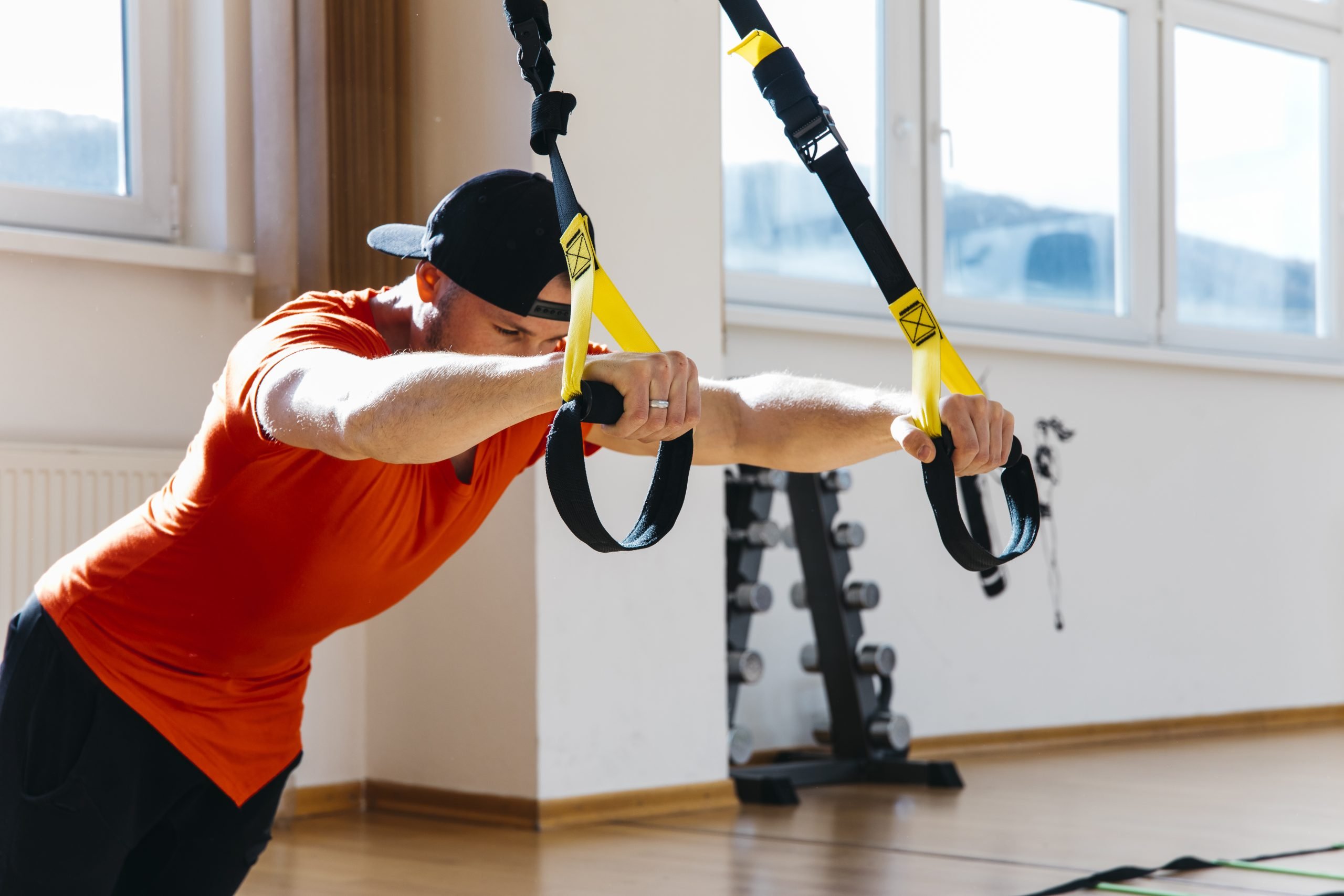
    Leg and Shoulder Workout: In-Depth Guide

    Beyond Body: Transforming Health One Custom Plan at a Time

    Ever felt like giving your legs and shoulders a proper workout? Well, you’re in luck because we’ve got just the thing for you! Whether you’re aiming for strength and endurance, or just want to tone up those muscles, a leg and shoulder workout is exactly what you need.

    It’s not just about looking good, it’s about feeling strong and capable. So, get ready to sweat it out and feel the burn as we dive into the world of leg and shoulder exercises. Let’s get those muscles working!

    Understanding the Anatomy

    Leg and Shoulder Workout

    Before diving into the workouts, it’s crucial to grasp the anatomy of the targeted muscle groups. The legs consist of several key muscles, including the quadriceps, hamstrings, calves, and glutes. Meanwhile, the shoulders comprise the deltoids, traps, and rotator cuff muscles. Understanding these structures allows for more targeted and effective workouts.

    Warm-Up and Mobility

    Prior to engaging in any strenuous exercise, it’s essential to warm up the muscles and increase joint mobility. Dynamic stretches and light cardio activities like jogging or cycling can help raise the heart rate and prepare the body for the workout ahead.

    Additionally, mobility exercises such as arm circles and leg swings can improve flexibility and range of motion, reducing the risk of injury during the workout.

    Leg Day: Strengthening the Foundation

    Leg and Shoulder Workout

    Leg workouts are integral to building lower body strength and power. Incorporating a variety of exercises that target different muscle groups ensures balanced development and reduces the risk of overuse injuries. Squats, lunges, deadlifts, and calf raises are among the foundational exercises for leg day.

    Performing these movements with proper form and gradually increasing resistance over time promotes muscle growth and definition. Wanna know about some amazing abs exercises, you can read our article “6 Abs Exercises To Blast Your Core

    Shoulder Day: Building Bolder Shoulders

    Well-developed shoulders not only enhance upper body strength but also contribute to a balanced physique. Shoulder workouts often include a combination of compound and isolation exercises to target all three deltoid heads effectively.

    Overhead presses, lateral raises, front raises, and upright rows are staples of shoulder day routines. Varying the grip, tempo, and resistance ensures comprehensive development of the shoulder muscles.

    Wanna know about some effective Bicep workouts, you can read our article “Bicep Workouts At Home

    Progressive Overload: Key to Growth

    Leg and Shoulder Workout

    To continue making progress and seeing results, it’s essential to implement the principle of progressive overload. This involves gradually increasing the intensity, volume, or resistance of your workouts over time.

    Whether it’s adding more weight to your squats or performing an extra set of shoulder presses, challenging the muscles beyond their current capacity stimulates growth and adaptation.

    Recovery and Rest

    Amidst the focus on intense workouts, it’s important not to overlook the significance of recovery and rest. Muscles need time to repair and grow stronger after being subjected to stress during exercise.

    Adequate sleep, proper nutrition, and active recovery techniques such as foam rolling and stretching play vital roles in the recovery process. Incorporating rest days into your workout schedule allows the body to recharge and prevents burnout or overtraining injuries.

    Nutrition: Fueling Your Workouts

    Leg and Shoulder Workout

    Optimal nutrition is a cornerstone of any successful fitness regimen. Consuming a balanced diet rich in lean proteins, complex carbohydrates, healthy fats, and micronutrients provides the necessary fuel for workouts and supports muscle recovery and growth.

    Adequate hydration is also essential for maintaining performance and preventing dehydration during intense exercise sessions.

    Incorporating Variety and Flexibility

    While consistency is key to achieving fitness goals, incorporating variety and flexibility into your workout routine can prevent boredom and plateaus.

    Experimenting with different exercises, equipment, and training modalities keeps workouts interesting and challenges the body in new ways. Additionally, being open to adjusting your routine based on feedback from your body ensures continued progress and prevents overuse injuries.

    Leg Exercises

    • Squats: A compound exercise that targets the quadriceps, hamstrings, glutes, and core. Stand with feet shoulder-width apart, lower your body by bending your knees, keeping your back straight, and then return to the starting position.
    • Lunges: Another compound movement that works the quadriceps, hamstrings, glutes, and calves. Take a step forward with one leg, lowering your body until both knees are bent at a 90-degree angle, then return to the starting position and repeat with the other leg.
    • Deadlifts: Primarily targets the hamstrings, glutes, and lower back. Stand with feet hip-width apart, bend at the hips and knees to lower the weights (barbells or dumbbells) towards the ground while keeping your back straight, then return to the standing position by driving through your heels.
    • Calf Raises: Focuses on the calf muscles. Stand with feet hip-width apart, raise your heels off the ground by pushing through the balls of your feet, hold briefly at the top, then lower back down.
    • Leg Press: Targets the quadriceps, hamstrings, and glutes. Sit on the leg press machine with your feet shoulder-width apart on the platform, push the platform away from you by extending your knees and hips, then slowly lower the weight back down.
    • Romanian Deadlifts: Focuses on the hamstrings and glutes while also engaging the lower back. Hold a barbell or dumbbell in front of your thighs, hinge at the hips while keeping your back straight until you feel a stretch in your hamstrings, then return to the starting position by squeezing your glutes.
    • Step-Ups: Engages the quadriceps, hamstrings, and glutes while also improving balance. Stand in front of a sturdy bench or platform, step onto it with one foot, then push through the heel to lift your body up until the leg is straight, then lower back down with control.

    Shoulder Exercises

    Leg and Shoulder Workout

    • Overhead Press: Targets the anterior and medial deltoids. Hold a barbell or dumbbell at shoulder height, palms facing forward, press the weight overhead until your arms are fully extended, then lower back down to shoulder height.
    • Lateral Raises: Isolates the medial deltoids. Hold dumbbells at your sides, palms facing your body, raise your arms out to the sides until they are parallel to the ground, then lower back down with control.
    • Front Raises: Focuses on the anterior deltoids. Hold dumbbells with an overhand grip, arms straight in front of you, raise the weights until they are at shoulder height, then lower back down.
    • Upright Rows: Targets the lateral deltoids and traps. Hold a barbell or dumbbell in front of your thighs with an overhand grip, pull the weight up towards your chin, keeping your elbows higher than your forearms, and then lower back down.
    • Arnold Press: Named after Arnold Schwarzenegger, this exercise targets all three heads of the deltoids. Hold dumbbells in front of your shoulders with palms facing your body, rotate your palms outward as you press the weights overhead, then reverse the motion to return to the starting position.
    • Reverse Flyes: Isolates the rear deltoids and upper back muscles. Hold dumbbells with palms facing each other, bend forward at the hips with a slight bend in the knees, then raise the weights out to the sides until your arms are parallel to the ground, squeezing your shoulder blades together at the top.
    • Face Pulls: Targets the rear deltoids, traps, and upper back while also improving posture. Attach a rope or handles to a cable machine at shoulder height, grab the handles with an overhand grip, pull the handles towards your face while squeezing your shoulder blades together, and then slowly return to the starting position.

    Final Words

    In wrapping up, a solid leg and shoulder workout can truly make a difference in your fitness journey. By focusing on these key muscle groups, you’re not only strengthening your lower body and upper body but also enhancing your overall stability and balance.

    Remember to maintain proper form and gradually increase the intensity to avoid injury. With dedication and consistency, you’ll be well on your way to achieving your fitness goals.

    FAQs – Leg and Shoulder Workout

    Can I train shoulders and legs together?

    Yes, you can definitely train shoulders and legs together. It’s a great way to maximize your workout efficiency and target multiple muscle groups in one session.

    What should I do on shoulder leg day?

    On shoulder leg day, you can start with compound exercises like squats or lunges for your legs, then move on to shoulder exercises such as shoulder press or lateral raises. Incorporating a mix of strength training and isolation exercises can help you achieve balanced development.

    Should I do shoulders on leg day or push day?

    Whether to do shoulders on leg day or push day depends on your overall workout routine and goals. If you prefer splitting muscle groups, doing shoulders on leg day can be effective.

    However, if you follow a push/pull/legs split, then incorporating shoulders on push day might work better for you. It’s essential to find what works best for your body and schedule.

    Fast Food Diet for Weight Loss: Complete Guide

    Best Natural Pre-Workout

    Curious about how fast food could actually help you shed those extra pounds? Well, you’re in for a surprise! Fast food isn’t just about indulgence anymore. Believe it or not, with the right strategy, you can turn your love for fast food into a tool for weight loss. It’s not your typical diet plan, but it sure packs a punch when it comes to shedding those stubborn inches. Let’s dive in and explore how you can munch on your favorite treats while still achieving your weight loss goals!

    Understanding Fast Food’s Bad Rap

    Fast Food Diet for Weight Loss

    Fast food has long been vilified for its high calorie, fat, and sodium content, often blamed for contributing to obesity and related health issues. Its convenience and affordability make it a tempting option for many, despite its known drawbacks.

    The prevailing narrative is that fast food and weight loss are incompatible concepts, leading individuals to shun such establishments in their quest for a healthier lifestyle.

    Redefining Fast Food in the Context of Weight Loss

    Contrary to popular belief, not all fast food is created equal. While many offerings are indeed laden with unhealthy ingredients, several chains have begun incorporating healthier options into their menus.

    From grilled chicken salads to fruit cups and yogurt parfaits, these alternatives provide a viable path for individuals looking to manage their weight without completely eliminating fast food from their diets.

    Wanna know more about what to eat during a weight loss you can read our article “Tips for Eating Out While Losing Weight”.

    The Role of Portion Control in Fast Food Consumption

    Fast Food Diet for Weight Loss

    One of the primary challenges associated with fast food consumption is portion control. Oversized servings contribute to excessive calorie intake, thwarting weight loss efforts.

    However, by exercising restraint and opting for smaller portions or sharing meals, individuals can indulge in their favorite fast food items without derailing their progress. This approach emphasizes mindful eating and empowers individuals to make informed choices about their food consumption.

    Harnessing the Power of Customization

    Many fast-food establishments now offer customization options, allowing customers to tailor their orders to meet their dietary preferences and goals. By selecting healthier ingredients, such as whole grain buns, lean proteins, and fresh vegetables, individuals can transform traditional fast food meals into nutritious alternatives.

    This level of control enables them to enjoy the convenience of fast food without compromising their weight loss journey.

    Embracing Moderation Over Deprivation

    Fast Food Diet for Weight Loss

    The key to incorporating fast food into a weight loss regimen lies in moderation rather than deprivation. Rather than viewing fast food as off-limits, individuals can integrate it into their meal plans occasionally, making conscious choices to balance their overall calorie intake.

    By adopting a flexible approach to eating, they can enjoy occasional indulgences without guilt or sabotage, fostering a sustainable and realistic approach to weight management.

    Navigating Nutritional Information and Menu Selection

    Armed with nutritional knowledge, individuals can navigate fast food menus more effectively, identifying healthier options and avoiding pitfalls. Many chains provide detailed nutritional information online or in-store, empowering customers to make informed decisions about their meals.

    By prioritizing items low in calories, saturated fat, and added sugars, individuals can align their fast food choices with their weight loss goals, making each visit a step towards success.

    Seeking Support and Accountability

    Fast Food Diet for Weight Loss

    Embarking on a fast food diet for weight loss can be daunting without support and accountability. Joining online communities or enlisting the help of friends and family can provide encouragement and motivation throughout the journey.

    By sharing experiences, recipes, and tips, individuals can navigate challenges and celebrate milestones together, reinforcing their commitment to sustainable lifestyle changes.

    Exploring Alternative Fast Food Options

    Beyond traditional fast food chains, there is a growing trend towards healthier fast-casual establishments and delivery services offering nutritious options. These venues prioritize fresh, whole ingredients and transparent sourcing practices, catering to individuals seeking convenient yet wholesome meal options.

    By exploring these alternatives, individuals can broaden their culinary horizons while supporting businesses aligned with their health goals.

    Incorporating Exercise to Offset Fast Food Consumption

    Fast Food Diet for Weight Loss

    While diet plays a significant role in weight loss, exercise is equally important for achieving optimal results. By incorporating regular physical activity into their routines, individuals can offset the occasional indulgence in fast food.

    Whether it’s a brisk walk, a workout session at the gym, or engaging in recreational sports, exercise helps burn calories, boost metabolism, and improve overall fitness levels, complementing dietary efforts and promoting a balanced approach to weight management.

    Wanna know about the best pre workout for weight loss, you can read our article “Best Pre-Workout for Weight Loss”.

    Exploring Healthy Fast Food Options

    Contrary to popular belief, fast food doesn’t have to be synonymous with unhealthy eating. In recent years, many fast-food chains have expanded their menus to include a variety of nutritious options to cater to health-conscious consumers. Here are some examples of healthy fast-food choices:

    • Grilled Chicken Wraps: Many fast food restaurants offer grilled chicken wraps filled with fresh vegetables and served in a whole grain tortilla. These wraps provide a satisfying combination of lean protein, fiber, and essential nutrients, making them a nutritious choice for on-the-go meals.
    • Salad Bowls: Fast food salad bowls have undergone a transformation, featuring an array of colorful vegetables, leafy greens, and lean proteins such as grilled chicken or tofu. Opting for light dressings or vinaigrettes can further enhance the nutritional value of these salads while keeping calorie counts in check.
    • Veggie Burgers: For those seeking plant-based options, veggie burgers have become increasingly popular on fast food menus. Made from ingredients like black beans, quinoa, and vegetables, these burgers offer a protein-rich alternative to traditional beef patties, appealing to vegetarians and meat-eaters alike.
    • Yogurt Parfaits: Fast food chains now offer yogurt parfaits made with low-fat yogurt, fresh fruit, and granola. These parfait cups provide a balanced combination of protein, carbohydrates, and vitamins, making them a satisfying snack or breakfast option.
    • Grilled Fish Tacos: Fish tacos have emerged as a healthier alternative to traditional fast food fare. Made with grilled fish, cabbage slaw, and salsa, these tacos are packed with flavor and nutrients while being lower in calories and saturated fat compared to other menu items.
    • Fresh Fruit Cups: Fast food restaurants often offer fresh fruit cups as a side option or dessert alternative. These cups typically contain a variety of seasonal fruits, providing a refreshing and nutritious accompaniment to main dishes.
    • Smoothies: Many fast food chains now offer smoothies made with fresh fruit, yogurt, and sometimes protein powder or greens. These blended beverages are a convenient way to incorporate vitamins, minerals, and antioxidants into your diet while satisfying cravings for something sweet.

    Wrap-Up

    In conclusion, while a fast-food diet might seem like a quick fix for weight loss, it’s important to remember that long-term success comes from balanced nutrition and lifestyle changes.

    Fast food, though convenient, often lacks essential nutrients and can lead to health issues over time. Incorporating more whole foods and mindful eating habits can help achieve sustainable weight loss and overall well-being.

    If you want to lose weight, you can try out Beyond Body. You may ask, “What is Beyond Body?” For that, you can read our Beyond Body review. Check the code below to get up to 60% off.

    ribbon
    Beyond Body - 67% Off Discount Code

    Beyond Body - 67% Off Discount Code

    Up to 67% OFF Beyond Body Checkout Code - LARGEST discount on the internet!
    AUTO APPLIED AT CHECKOUT
    SHOW COUPON
    On Going Offer
  • It Works 100% Success It Doesn't
  • FAQs – Fast Food Diet for Weight Loss

    Can I lose weight eating fast food?

    Yes, you can lose weight while occasionally eating fast food, but it’s crucial to make healthier choices from the menu, such as grilled options or salads, and watch portion sizes. Balancing fast food with nutritious meals and regular exercise is key to successful weight loss.

    Which food is good for fast weight loss?

    Foods rich in fiber, protein, and healthy fats are excellent choices for fast weight loss. Incorporating fruits, vegetables, lean meats, whole grains, and legumes into your diet can help you feel full and satisfied while promoting weight loss.

    What is the fast diet for weight loss?

    Intermittent fasting is a popular fast diet for weight loss. This approach involves cycling between periods of eating and fasting, which can help control calorie intake and boost metabolism. There are various methods of intermittent fasting, so it’s essential to find one that suits your lifestyle and preferences.

    1300 Calorie Diet for Female Weight Loss

    Best Natural Pre-Workout

    Ever thought about diving into the world of healthy eating with a 1300-calorie diet for Female Weight Loss? Well, you’re in for a treat! This diet plan is tailored specifically for women aiming to shed some extra pounds while still keeping energy levels up.

    It’s like having a roadmap to a healthier you without feeling deprived or overwhelmed. Stick around as we break down the ins and outs of this calorie-smart journey. Ready to kickstart your weight loss goals? Let’s dive in!

    Understanding the 1300-Calorie Diet

    1300 Calorie Diet for Female Weight Loss

    The 1300-calorie diet is structured to create a calorie deficit, meaning that the number of calories consumed is less than the number of calories expended by the body. This deficit prompts the body to utilize stored fat as a source of energy, leading to weight loss over time.

    The 1300-calorie threshold is often considered appropriate for many women, as it provides a balance between reducing caloric intake and ensuring that essential nutritional needs are met.

    Balanced Macronutrient Distribution

    For optimal health and weight loss on a 1300-calorie diet, it’s crucial to maintain a balanced distribution of macronutrients. Carbohydrates, proteins, and fats are the three primary macronutrients, each serving unique roles in the body.

    Carbohydrates are the body’s primary source of energy, and they should primarily come from whole grains, fruits, and vegetables to provide fiber, vitamins, and minerals. Proteins are essential for muscle repair and growth, as well as for supporting various metabolic functions.

    Lean protein sources such as poultry, fish, tofu, legumes, and low-fat dairy products are ideal choices. Healthy fats, found in foods like avocados, nuts, seeds, and olive oil, are crucial for hormone production, cell membrane structure, and nutrient absorption. A balanced distribution of these macronutrients ensures that the body receives adequate nourishment while promoting satiety and preventing nutrient deficiencies.

    Incorporating Nutrient-Dense Foods

    1300 Calorie Diet for Female Weight Loss

    Nutrient-dense foods are those that provide a high amount of essential nutrients relative to their calorie content. Fruits, vegetables, whole grains, lean proteins, and healthy fats are all examples of nutrient-dense foods. These foods are rich in vitamins, minerals, antioxidants, and fiber, which are essential for overall health and well-being.

    By prioritizing these foods on a 1300-calorie diet, individuals can ensure that they meet their nutritional needs while keeping calorie intake in check. Additionally, nutrient-dense foods can help promote feelings of fullness and satisfaction, making it easier to adhere to the diet plan.

    Meal Planning and Portion Control

    Effective meal planning is essential for success on a 1300-calorie diet. By planning meals and snacks in advance, individuals can ensure that they stay within their daily calorie limit while meeting their nutritional requirements.

    Portion control is also critical, as it helps prevent overeating and ensures that each meal is balanced and satisfying. Using measuring cups, food scales, or visual cues can help individuals accurately portion out their meals and snacks.

    It’s also helpful to include a variety of foods in each meal to ensure a diverse nutrient intake and prevent dietary boredom. Wanna know more about what to eat during a weight loss you can read our article “Tips for Eating Out While Losing Weight”.

    Embracing Variety and Flexibility

    1300 Calorie Diet for Female Weight Loss

    Variety and flexibility are key principles of a sustainable 1300-calorie diet. Including a wide range of foods in the diet not only ensures adequate nutrient intake but also makes the diet more enjoyable and satisfying.

    Experimenting with different recipes, ingredients, and cuisines can help prevent monotony and boredom, making it easier to stick to the diet plan in the long term. Additionally, allowing for flexibility in food choices can help accommodate individual preferences and cravings, making the diet more sustainable and realistic.

    Wanna know some rice recipes for weight loss you can read our article “The Best Rice Diet Recipes for Weight Loss”.

    Staying Hydrated and Mindful Eating

    Hydration is often overlooked but essential for overall health and weight loss. Drinking an adequate amount of water throughout the day helps maintain hydration levels, supports digestion, and may even help reduce calorie intake by promoting feelings of fullness.

    Additionally, practicing mindful eating can help individuals tune into their hunger and fullness cues, preventing overeating and promoting healthier eating habits.

    Mindful eating involves paying attention to the sensory experience of eating, such as the taste, texture, and smell of food, as well as recognizing feelings of hunger and satiety. By practicing mindful eating, individuals can foster a more positive relationship with food and make more conscious choices about what and how much they eat.

    Regular Physical Activity

    1300 Calorie Diet for Female Weight Loss

    While diet plays a significant role in weight loss, incorporating regular physical activity is equally important. Exercise not only helps burn calories but also boosts metabolism, improves cardiovascular health, and enhances overall well-being.

    Aim for a combination of cardiovascular exercise, strength training, and flexibility exercises to maximize results and support weight loss efforts. Finding activities that you enjoy and incorporating them into your daily routine can make exercise more enjoyable and sustainable in the long term.

    Additionally, staying active throughout the day, such as by taking short walks, using stairs instead of elevators, and engaging in household chores, can help increase calorie expenditure and support weight loss goals.

    Potential Considerations and Consultation

    Before starting any calorie-restricted diet, it’s essential to consider individual health needs and consult with a healthcare professional or registered dietitian. Certain medical conditions, dietary restrictions, or medications may necessitate modifications to the 1300-calorie diet plan.

    Additionally, personalized guidance can help tailor the diet to specific goals and preferences, ensuring optimal results while minimizing potential risks. A healthcare professional can provide valuable insights and recommendations based on individual factors such as age, weight, height, activity level, and medical history.

    By seeking professional guidance, individuals can embark on their weight loss journey with confidence and support, maximizing their chances of success in achieving their goals.

    Final Words

    In wrapping up, sticking to a 1300-calorie diet can be an effective strategy for female weight loss. By focusing on nutrient-dense foods and portion control, you can achieve your weight loss goals while still feeling satisfied.

    Remember to listen to your body and make adjustments as needed. Always consult with a healthcare professional before making significant changes to your diet. With dedication and balance, success is within reach.

    If you want to lose weight, you can try out Beyond Body. You may ask, “What is Beyond Body?” For that, you can read our Beyond Body review. Check the code below to get up to 60% off.

    ribbon
    Beyond Body - 67% Off Discount Code

    Beyond Body - 67% Off Discount Code

    Up to 67% OFF Beyond Body Checkout Code - LARGEST discount on the internet!
    AUTO APPLIED AT CHECKOUT
    SHOW COUPON
    On Going Offer
  • It Works 100% Success It Doesn't
  • FAQs – 1300 Calorie Diet for Female Weight Loss

    How much weight will I lose on 1300 calories a day?

    Losing weight on a 1300-calorie diet varies depending on individual factors like metabolism and activity level. Generally, a deficit of 500 to 1000 calories per day can result in losing about 1 to 2 pounds per week.

    So, if 1300 calories are below your maintenance level, you may see weight loss, but it’s essential to consult a healthcare professional for personalized advice.

    Is 1300 calories enough for a woman to lose weight?

    Whether 1300 calories are enough for a woman to lose weight depends on factors like her basal metabolic rate and activity level. For some women, a 1300-calorie intake may create a deficit, leading to weight loss over time. However, it’s crucial to ensure that this calorie level provides sufficient nutrients for overall health and well-being.

    How much weight can a woman lose on 1200 calories per day?

    The amount of weight a woman can lose on a 1200-calorie-per-day diet varies based on individual factors like metabolism and activity level. Generally, a calorie deficit of 500 to 1000 calories per day can lead to losing about 1 to 2 pounds per week.

    However, it’s important to prioritize a balanced diet that meets nutritional needs while aiming for weight loss. Consulting with a healthcare professional can offer personalized guidance.

    Chest Shoulders and Triceps Workout

    Chest Shoulders and Triceps Workout
    Chest Shoulders and Triceps Workout

    Ever wonder how to sculpt those upper body muscles like a pro? This workout routine targets three major muscle groups, helping you build strength and definition in your chest, shoulders, and triceps.

    Whether you’re aiming for that chiseled look or simply want to enhance your upper body strength, this workout has got you covered. Get ready to push your limits and achieve those fitness goals like never before. Let’s dive in and unleash the power of your upper body!

    Understanding the Anatomy

    Chest Shoulders and Triceps Workout

    Before diving into the workout routine, it’s essential to grasp the anatomy of the chest, shoulders, and triceps. The chest muscles, primarily the pectoralis major and minor, are responsible for movements such as pushing and horizontal arm adduction.

    The shoulders, comprising the deltoids and surrounding muscles, facilitate movements like shoulder abduction, flexion, and rotation. Meanwhile, the triceps brachii at the back of the arm are crucial for extending the elbow joint.

    Warm-Up and Mobility

    Begin the workout with a dynamic warm-up to increase blood flow to the muscles and prepare the body for exercise. Incorporate movements such as arm circles, shoulder rolls, and torso twists to loosen up the chest, shoulders, and arms.

    Additionally, perform specific mobility exercises targeting these areas to enhance the range of motion and prevent injury during the workout.

    Compound Exercises for Comprehensive Development

    Chest Shoulders and Triceps Workout

    Compound exercises that recruit multiple muscle groups simultaneously are highly effective for building strength and muscle mass. Incorporate compound movements like bench presses, push-ups, and overhead presses into your workout routine to target the chest, shoulders, and triceps comprehensively.

    These exercises not only engage the primary muscles but also recruit stabilizer muscles, leading to functional strength gains.

    Isolation Exercises for Targeted Growth

    In addition to compound movements, include isolation exercises to specifically target the chest, shoulders, and triceps.

    Cable flyes, lateral raises, and triceps kickbacks are excellent choices for isolating these muscle groups and achieving a more defined and sculpted appearance. Focus on maintaining proper form and controlled movements to maximize the effectiveness of these exercises.

    Variety and Progression

    Chest Shoulders and Triceps Workout

    To continue making progress and prevent plateaus, it’s crucial to incorporate variety into your workout routine. Experiment with different exercises, grips, and equipment to challenge your muscles in new ways.

    Additionally, gradually increase the intensity or resistance over time to promote muscle growth and strength development. Incorporating techniques such as drop sets, supersets, and pyramid sets can also add variety and intensity to your workouts.

    Mind-Muscle Connection

    Developing a strong mind-muscle connection is essential for optimizing the effectiveness of your chest, shoulders, and triceps workout.

    Focus on contracting the target muscles throughout each exercise, emphasizing the eccentric and concentric phases of movement. Visualize the muscles working and consciously engage them to ensure maximum recruitment and stimulation.

    Proper Form and Technique

    Chest Shoulders and Triceps Workout

    Maintaining proper form and technique is paramount to prevent injuries and achieve optimal results. Pay close attention to your posture, alignment, and range of motion during each exercise.

    Avoid using momentum or swinging motions, and instead, focus on controlled and deliberate movements. If necessary, start with lighter weights to master the technique before progressing to heavier loads.

    Rest and Recovery

    Don’t overlook the importance of rest and recovery in your training regimen. Allow adequate time for the muscles to repair and rebuild between workouts to avoid overtraining and burnout. Incorporate rest days into your schedule, and prioritize quality sleep and nutrition to support muscle recovery and growth.

    Some Decent Exercises

    Chest Shoulders and Triceps Workout

    • Bench Press: This classic compound exercise primarily targets the chest muscles while also engaging the shoulders and triceps. Variations include flat, incline, and decline bench presses to target different areas of the chest.
    • Push-Ups: A versatile bodyweight exercise that effectively works the chest, shoulders, and triceps. Experiment with different hand placements, such as wide or narrow grip, to vary the emphasis on different muscle groups.
    • Dumbbell Shoulder Press: This exercise targets the shoulders primarily, with secondary involvement of the triceps. It can be performed seated or standing, using dumbbells or a barbell.
    • Dumbbell Flyes: Isolate the chest muscles with this exercise, which mimics the motion of hugging a tree. Perform on a flat bench or incline bench to target different areas of the chest.
    • Lateral Raises: Target the lateral deltoids with this isolation exercise, which involves raising the arms out to the sides until they are parallel to the ground. Use dumbbells or cables for resistance.
    • Triceps Dips: Engage the triceps with this bodyweight exercise, which can be performed using parallel bars or a bench. Keep the elbows close to the body and lower yourself until your elbows are at 90-degree angles.
    • Overhead Triceps Extension: Use a dumbbell, barbell, or cable machine to perform this exercise, which involves extending the arms overhead while holding a weight. Focus on keeping the elbows stable and close to the head.
    • Arnold Press: Named after Arnold Schwarzenegger, this shoulder exercise involves rotating the palms during the press motion, which engages multiple shoulder muscles and adds variety to the workout.
    • Chest Press Machine: Ideal for beginners or those recovering from injuries, the chest press machine provides a guided motion to target the chest muscles while minimizing the involvement of other muscle groups.
    • Skull Crushers: Target the long head of the triceps with this exercise, which involves lying on a bench and lowering a barbell or dumbbells towards the forehead before extending the arms to the starting position.
    • Cable Crossover: Stand between two cable pulleys set to a high position, grab the handles, and bring your hands together in front of your chest. Slowly return to the starting position, focusing on squeezing the chest at the midpoint for maximum muscle activation.
    • Triceps Rope Pushdown: Attach a rope handle to a high cable machine. With elbows tucked in at your sides, push the rope downward until your arms are fully extended. Keep upper arms stationary throughout the movement to isolate the triceps. Experiment with different hand positions for variation.

    Incorporate a mix of these exercises into your workout routine, focusing on proper form, controlled movements, and gradual progression in weight or resistance to achieve optimal results. Wanna know more about different types of workouts, you can read our article “Crossfit Workout of The Day”.

    Final Words

    In conclusion, a well-rounded chest, shoulders, and triceps workout can significantly enhance your upper body strength and overall fitness. By incorporating a variety of exercises targeting these muscle groups, you can achieve balanced development and improved functional strength.

    Remember to focus on proper form, gradually increase weights, and allow for adequate rest between sessions to maximize results and prevent injury. With dedication and consistency, you’ll sculpt a strong and defined upper body that supports your active lifestyle.

    FAQs – Chest Shoulders and Triceps Workout

    Can I workout chest shoulders and triceps together?

    Yes, you can work out your chest, shoulders, and triceps together. It’s a common practice called a push workout, where you target these muscle groups in one session. This allows for efficient training and can help in developing upper body strength and muscle definition.

    Is chest shoulders and triceps a good split?

    Working out chest, shoulders, and triceps together can be a good split depending on your fitness goals. It allows you to focus on pushing movements, which can be beneficial for muscle growth and strength development. However, it’s important to ensure adequate rest and recovery between workouts to prevent overtraining and injury.

    What order should I train chest shoulders and triceps?

    The order you train your chest, shoulders, and triceps can vary depending on personal preference and your specific workout routine.

    Some prefer starting with compound exercises for the chest, like bench presses, followed by shoulder exercises such as overhead presses, and finishing with triceps exercises like triceps dips or extensions. Experiment to see what works best for you and allows you to perform each exercise with proper form and intensity.

    Chair Yoga for Weight Loss: Complete Guide

    Chair Yoga for Weight Loss
    Chair Yoga for Weight Loss

    Ever thought about shedding those extra pounds while chilling on your favorite chair? That’s where Chair Yoga for Weight Loss jumps in! It’s not your typical sweat-it-out kind of routine. Nope, here you’re embracing the gentle art of yoga, all from the comfort of your seat.

    This isn’t about extreme contortions, it’s about mindful movements that can help you on your weight loss journey. So, if you’re keen on melting away those inches without breaking a sweat, Chair Yoga for Weight Loss might just be your new best friend. Let’s dive in!

    Understanding Chair Yoga

    Chair yoga is a modified form of traditional yoga that is performed while sitting on a chair or using a chair for support. It incorporates gentle stretches, breathing exercises, and meditation techniques to promote relaxation and improve flexibility.

    While it was initially designed to cater to individuals with limited mobility or physical disabilities, it has gained widespread popularity among people of all ages and fitness levels.

    Wanna know more about yoga, you can read our article “How to Incorporate Yoga for Strength Training Athletes”.

    Benefits of Chair Yoga for Weight Loss

    Chair Yoga for Weight Loss

    • Increased Metabolism: Engaging in chair yoga poses stimulates the body’s metabolism, helping to burn calories more efficiently. As you move through the various poses, you’ll notice an increase in heart rate and circulation, which can contribute to weight loss over time.
    • Muscle Strengthening: Contrary to popular belief, chair yoga can be an effective tool for building strength and muscle tone. Many of the poses target key muscle groups, such as the core, arms, and legs, helping to sculpt a leaner physique.
    • Improved Posture: Poor posture can sabotage your weight loss efforts by putting unnecessary strain on your muscles and joints. Chair yoga helps to correct postural imbalances by strengthening the muscles that support the spine, resulting in better alignment and decreased risk of injury.
    • Stress Reduction: Stress and weight gain often go hand in hand, as many people turn to food for comfort during times of emotional turmoil. Chair yoga incorporates mindfulness and relaxation techniques that can help alleviate stress and promote mindful eating habits.
    • Enhanced Digestion: Certain chair yoga poses, such as twists and gentle stretches, can aid in digestion by stimulating the internal organs and promoting better circulation. This can help to alleviate bloating and discomfort, making it easier to maintain a healthy weight.

    Incorporating Chair Yoga into Your Routine

    Now that you’re aware of the myriad benefits of chair yoga for weight loss, you may be wondering how to get started. The good news is that you don’t need any fancy equipment or prior experience to reap the rewards of this practice. Here are some tips for incorporating chair yoga into your daily routine:

    • Start Slow: If you’re new to yoga, don’t feel pressured to jump into advanced poses right away. Begin with simple stretches and gradually work your way up to more challenging movements as you build strength and confidence.
    • Listen to Your Body: One of the great things about chair yoga is that it can be easily modified to suit your individual needs and abilities. Pay attention to how your body feels during each pose, and don’t push yourself beyond your limits.
    • Consistency is Key: Like any form of exercise, consistency is crucial for seeing results with chair yoga. Aim to practice for at least 20-30 minutes each day, or whenever you can fit it into your schedule.
    • Mix It Up: Keep things interesting by experimenting with different chair yoga routines and poses. There are countless resources available online, including videos and instructional guides, to help you stay motivated and engaged.
    • Stay Hydrated: As with any physical activity, it’s important to stay hydrated while practicing chair yoga. Be sure to drink plenty of water before, during, and after your sessions to keep your body functioning optimally.

    Social Connection

    Chair Yoga for Weight Loss

    Participating in chair yoga classes not only offers physical benefits but also provides an opportunity for social interaction and connection. These classes often foster a supportive and inclusive environment where individuals from all walks of life come together to pursue their wellness goals.

    Bonding over shared experiences and challenges can create a sense of camaraderie among participants, making it easier to stay motivated and accountable. Whether you’re exchanging tips, sharing progress, or simply enjoying each other’s company, the social aspect of chair yoga can significantly enhance your weight loss journey.

    Improved Blood Circulation

    The gentle movements and stretches performed in chair yoga sequences help to stimulate blood flow throughout the body. By stretching and releasing tension in muscles, chair yoga encourages improved circulation, allowing oxygen-rich blood to reach every part of your body more efficiently.

    Enhanced blood circulation not only promotes better nutrient delivery to cells and tissues but also aids in the removal of metabolic waste products.

    Additionally, improved circulation supports overall cardiovascular health, reducing the risk of conditions such as high blood pressure and heart disease, which are closely linked to weight management.

    Better Sleep Quality

    Chair Yoga for Weight Loss

    Quality sleep is essential for overall health and well-being, including weight management. Chair yoga can play a significant role in improving sleep quality and duration.

    The relaxation techniques incorporated into chair yoga practice, such as deep breathing and mindfulness, help to calm the mind and body, making it easier to unwind and prepare for sleep.

    By reducing stress levels and promoting relaxation, chair yoga can help regulate sleep patterns, ensuring that you enjoy more restful and rejuvenating sleep each night. Better sleep not only enhances your energy levels and mood but also supports your body’s natural processes for weight loss and maintenance.

    Wanna know some tricks to make your sleep better with the help of weight loss, you can read our article “How to Balance Sleep and Weight Loss”.

    Final Words

    In conclusion, Chair Yoga can be a gentle yet effective way to support weight loss goals. By incorporating simple movements and breathing exercises into your daily routine, you can increase circulation, improve flexibility, and boost metabolism.

    Remember, consistency is key. So, whether you’re at home, in the office, or anywhere else, don’t hesitate to give Chair Yoga a try to see the positive changes it can bring to your overall well-being.

    If you want to lose weight effectively, you can try out Beyond Body. You may ask, “What is Beyond Body?” For that, you can read our Beyond Body review. Check the code below to get up to 60% off.

    ribbon
    Beyond Body - 67% Off Discount Code

    Beyond Body - 67% Off Discount Code

    Up to 67% OFF Beyond Body Checkout Code - LARGEST discount on the internet!
    AUTO APPLIED AT CHECKOUT
    SHOW COUPON
    On Going Offer
  • It Works 100% Success It Doesn't
  • FAQs – Chair Yoga for Weight Loss

    Is chair yoga good for losing weight?

    Chair yoga can be beneficial for weight loss as it incorporates gentle movements and stretches that engage muscles and increase calorie burn. While it may not be as intense as other forms of exercise, consistent practice can contribute to weight management over time.

    Does chair pose reduce belly fat?

    Chair pose, a fundamental posture in yoga, engages the core muscles which can help tone and strengthen the abdominal area. While specific exercises targeted at reducing belly fat may be more effective, incorporating chair pose into a regular yoga practice can contribute to overall body toning and fitness.

    What is the 28-day chair yoga challenge?

    The 28-day chair yoga challenge is a structured program designed to introduce participants to the benefits of chair yoga through daily practices over the course of four weeks.

    It typically includes a variety of chair-based yoga poses and sequences aimed at improving flexibility, strength, and relaxation. This challenge is suitable for individuals of all fitness levels and can be a great way to establish a consistent yoga routine.

    The Science Behind Bioma: Optimizing Gut Microbiome

    Simplify Your Supplement Routine with Bioma: Gut Health Made Easy

    Ever wondered about the amazing world within us? Yep, I’m talking about our gut microbiome, the bustling community of bacteria living in our digestive system. But hold up, it’s not just any ol’ bacteria party, it’s a fascinating realm of science!

    Welcome to “The Science Behind Bioma: Optimizing Gut Microbiome.” Here, we delve into the secrets of how these tiny microbes affect our health and well-being. Get ready to dive into the microscopic world that plays a huge role in our overall health!

    Understanding the Gut Microbiome

    The Science Behind Bioma: Optimizing Gut Microbiome

    The gut microbiome, a complex ecosystem of bacteria, fungi, and other microorganisms residing in the gastrointestinal tract, plays a crucial role in human health. Comprising trillions of microorganisms, this intricate community interacts with the body in various ways, influencing digestion, immunity, metabolism, and even mental health.

    For more information on the health of the gut, you can read our article “Common Signs of an Unhealthy Gut and How Probiotics Can Help”.

    Maintaining Balance with Bioma

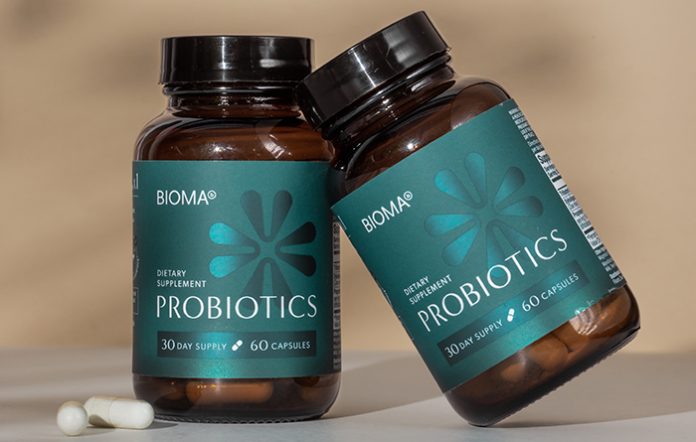
    Bioma emerges as a standout solution for enhancing gut health, offering a comprehensive blend of prebiotics, probiotics, and postbiotics in a single capsule. Prebiotics serve as nourishment for beneficial gut bacteria, fostering their growth and proliferation.

    Meanwhile, probiotics introduce live microorganisms that contribute to a healthy gut environment. Postbiotics, the metabolic byproducts of probiotic activity, provide additional benefits such as fortifying the gut lining and bolstering the immune system.

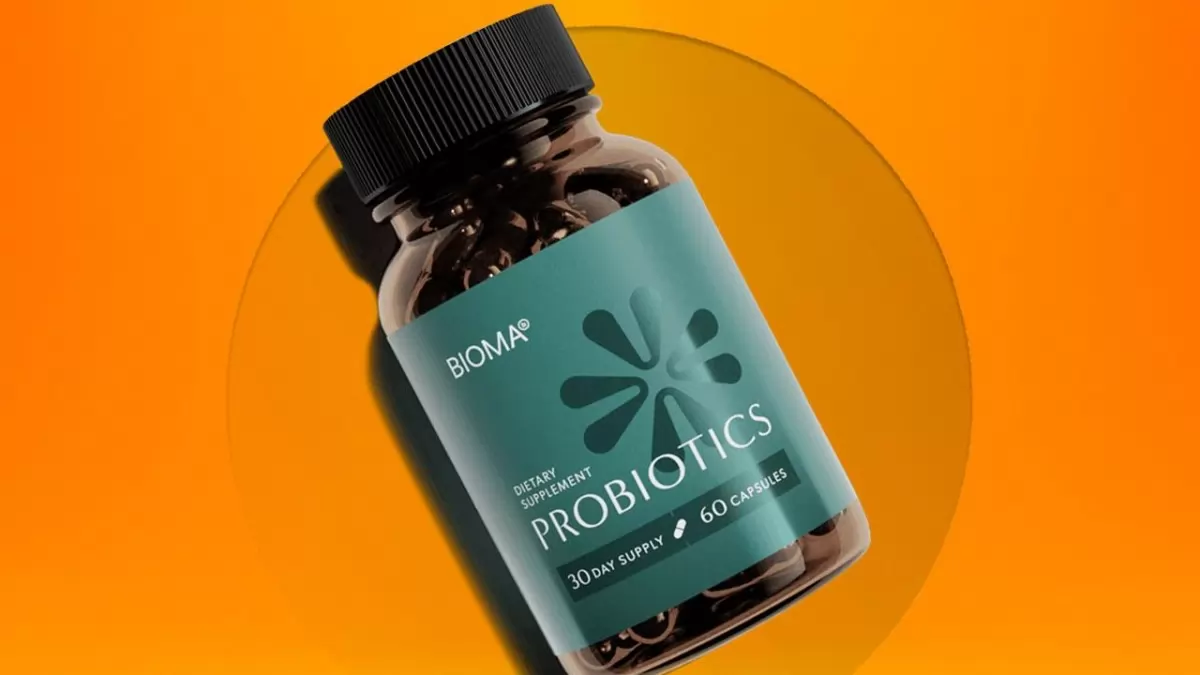
    You can also get Bioma probiotics by just clicking here and if you wanna know more about Bioma probiotics you can read our Bioma review. Grab the code below for free shipping and to get 75% off.

    ribbon
    Bioma Probiotics - 75% Off + FREE Shipping

    Bioma Probiotics - 75% Off + FREE Shipping

    Instantly save up to 75% off with Bioma Checkout Code! Plus, FREE shipping!
    BIO15DIY
    SHOW COUPON
    On Going Offer
  • It Works 100% Success It Doesn't
  • The Synergy of Prebiotics, Probiotics, and Postbiotics

    The Science Behind Bioma: Optimizing Gut Microbiome

    Bioma’s formulation harnesses the synergistic power of prebiotics, probiotics, and postbiotics to optimize gut health. By combining these elements, Bioma addresses multiple facets of gastrointestinal well-being, promoting microbial diversity and resilience within the gut ecosystem.

    This holistic approach ensures comprehensive support for digestive health, immune function, and overall wellness.

    Unlocking the Potential of Prebiotics

    Prebiotics, a vital component of Bioma, play a pivotal role in nurturing a flourishing gut microbiome. These indigestible fibers serve as fuel for beneficial bacteria, stimulating their growth and activity.

    By fostering the proliferation of beneficial microbes, prebiotics help rebalance the gut microbiota, promoting optimal digestion and nutrient absorption. Additionally, prebiotics exert a prebiotic effect, enhancing the production of short-chain fatty acids that benefit gut health.

    Harnessing the Benefits of Probiotics

    The Science Behind Bioma: Optimizing Gut Microbiome

    Probiotics, another key ingredient in Bioma, introduce beneficial live microorganisms into the gut microbiome, bolstering its diversity and resilience. By colonizing the gastrointestinal tract, probiotics compete with harmful bacteria for resources and space, thereby promoting a healthy microbial balance.

    Moreover, probiotics modulate immune responses, enhance barrier function, and mitigate inflammation, contributing to overall gut health and systemic well-being.

    The Role of Postbiotics in Gut Health

    Postbiotics, the metabolic byproducts of probiotic fermentation, constitute a crucial component of Bioma’s efficacy. These bioactive compounds exert various beneficial effects on gut health, including fortifying the intestinal barrier, modulating immune function, and regulating inflammation.

    By harnessing the potential of postbiotics, Bioma offers comprehensive support for gut health, addressing underlying imbalances and promoting overall well-being.

    Simplified Gut Health with Bioma

    The Science Behind Bioma: Optimizing Gut Microbiome

    Bioma’s all-in-one formulation simplifies gut health management, offering a convenient solution for individuals seeking to optimize their digestive wellness. By consolidating prebiotics, probiotics, and postbiotics into a single capsule, Bioma streamlines supplementation, eliminating the need for multiple products.

    This simplicity enhances compliance and ensures consistent support for gut health, empowering individuals to prioritize their well-being effortlessly.

    The Holistic Impact of Gut Health

    A healthy gut serves as the cornerstone of overall wellness, exerting far-reaching effects on various aspects of health and vitality. From bolstering immune function and enhancing nutrient absorption to regulating mood and metabolism, the gut microbiome influences numerous physiological processes.

    By promoting gut health with Bioma, individuals can unlock the full potential of their well-being, cultivating resilience and vitality from within.

    Targeted Support for Digestive Disorders

    The Science Behind Bioma: Optimizing Gut Microbiome

    Bioma’s comprehensive blend of prebiotics, probiotics, and postbiotics offers targeted support for individuals with digestive disorders such as irritable bowel syndrome (IBS), inflammatory bowel disease (IBD), and dysbiosis.

    By promoting microbial balance and modulating gut inflammation, Bioma helps alleviate symptoms and enhance gut function, providing relief for individuals grappling with digestive discomfort.

    Enhanced Nutrient Absorption

    A healthy gut microbiome is essential for optimal nutrient absorption, as gut bacteria play a pivotal role in breaking down complex nutrients and facilitating their uptake. Bioma’s synergistic formulation supports nutrient absorption by promoting a diverse and resilient gut microbiota.

    By optimizing digestion and absorption, Bioma ensures that individuals derive maximum benefit from the nutrients in their diet, fostering overall health and vitality.

    Support for Mental Health and Well-Being

    The Science Behind Bioma: Optimizing Gut Microbiome

    Emerging research underscores the intricate connection between the gut and the brain, often referred to as the gut-brain axis. By influencing neurotransmitter production, immune function, and inflammatory pathways, the gut microbiome exerts profound effects on mental health and well-being.

    Bioma’s holistic approach to gut health not only supports digestive wellness but also nurtures a healthy gut-brain axis, promoting mood stability, cognitive function, and emotional resilience.

    Long-Term Health Maintenance

    Consistent supplementation with Bioma offers long-term support for gut health and overall well-being. By fostering a balanced and resilient gut microbiome, Bioma helps individuals maintain digestive wellness, immune function, and metabolic health over time.

    Incorporating Bioma into a daily wellness routine enables individuals to proactively safeguard their health, promoting longevity and vitality for years to come.

    Wrap-Up

    In wrapping up, understanding the science behind optimizing gut microbiome, or Bioma, is crucial for our overall health. By nurturing a diverse and balanced microbiome, we can support digestion, immunity, and mental well-being.

    Incorporating fiber-rich foods, probiotics, and prebiotics into our diets can contribute to a thriving gut ecosystem. Let’s embrace these insights for a healthier tomorrow.

    That said, if you’re interested in trying Bioma read our full Bioma review then Click here to kickstart your Bioma probiotics journey now. Grab the code below for free shipping and to get 75% off.

    ribbon
    Bioma Probiotics - 75% Off + FREE Shipping

    Bioma Probiotics - 75% Off + FREE Shipping

    Instantly save up to 75% off with Bioma Checkout Code! Plus, FREE shipping!
    BIO15DIY
    SHOW COUPON
    On Going Offer
  • It Works 100% Success It Doesn't
  • FAQs – The Science Behind Bioma

    How does bioma work?

    Bioma works by analyzing various aspects of your gut health through a comprehensive stool test. It examines the composition of your gut microbiome, including bacteria, fungi, and other organisms, to provide insights into your digestive health.

    By understanding your unique microbiome, Bioma helps identify imbalances and suggests personalized recommendations to improve gut health.

    How do you optimize your gut microbiome?

    To optimize your gut microbiome, focus on maintaining a diverse and balanced diet rich in fiber, fruits, vegetables, and fermented foods. Additionally, avoid excessive consumption of processed foods, sugar, and artificial additives, which can disrupt gut flora.

    Regular exercise, stress management, and adequate sleep also play crucial roles in supporting a healthy gut microbiome. Lastly, consider probiotic supplements or prebiotic foods to promote the growth of beneficial bacteria in your gut.

    How does the gut biome work?

    The gut biome works by hosting trillions of microorganisms, including bacteria, viruses, fungi, and archaea, which collectively form a complex ecosystem. These microbes play essential roles in digestion, nutrient absorption, immune function, and even mood regulation.

    The gut biome interacts with various factors such as diet, medications, stress, and environmental exposures, influencing its composition and functionality. Maintaining a balanced and diverse gut biome is crucial for overall health and well-being.

    How to Restore Gut Health After Antibiotics

    Simplify Your Supplement Routine with Bioma: Gut Health Made Easy
    Simplify Your Supplement Routine with Bioma: Gut Health Made Easy

    Ever wondered how to bounce back after a round of antibiotics wreaks havoc on your gut? It’s a common struggle, but fear not! Restoring gut health after antibiotics is totally doable with the right approach. In this article, we are diving into practical strategies on How to Restore Gut Health After Antibiotics.

    From incorporating probiotics to nourishing your body with gut-friendly foods, we’ve got you covered. Say goodbye to post-antibiotic woes and hello to a happy, balanced gut! Let’s dive in and reclaim your gut health together.

    Understanding the Gut Microbiome

    How to Restore Gut Health After Antibiotics

    Before delving into restoration methods, it’s crucial to grasp the significance of the gut microbiome. The gut harbors trillions of microorganisms, including bacteria, fungi, and viruses, collectively known as the gut microbiota. These microorganisms play a pivotal role in digestion, immune function, and even mental health.

    The gut microbiome is a complex ecosystem that interacts with various factors, including diet, lifestyle, medications, and environmental influences. Antibiotics can disrupt this delicate balance by killing both harmful and beneficial bacteria, leading to dysbiosis, or microbial imbalance, in the gut.

    Wanna know more about how your diet impacts your gut health, you can read our article “The Impact of Diet on Gut Microbiota”.

    Prebiotic Foods: Fueling the Microbial Ecosystem

    Prebiotics are non-digestible fibers that serve as fuel for beneficial gut bacteria. Including prebiotic-rich foods in the diet can support the growth and activity of probiotics, enhancing gut health.

    Prebiotics pass through the digestive tract undigested until they reach the colon, where they are fermented by beneficial bacteria, producing short-chain fatty acids that nourish the gut lining and promote overall health.

    Foods like onions, garlic, bananas, asparagus, and whole grains are excellent sources of prebiotics and can complement probiotic intake for optimal results. Consuming a combination of probiotic and prebiotic foods can synergistically support gut health and enhance microbial diversity.

    Probiotics: Nature’s Restorative Agents

    How to Restore Gut Health After Antibiotics

    Probiotics are live microorganisms that confer health benefits when consumed in adequate amounts. These beneficial bacteria can help replenish the gut microbiome depleted by antibiotics. Probiotics work by colonizing the gut and competing with harmful bacteria for resources and space, thereby restoring microbial balance.

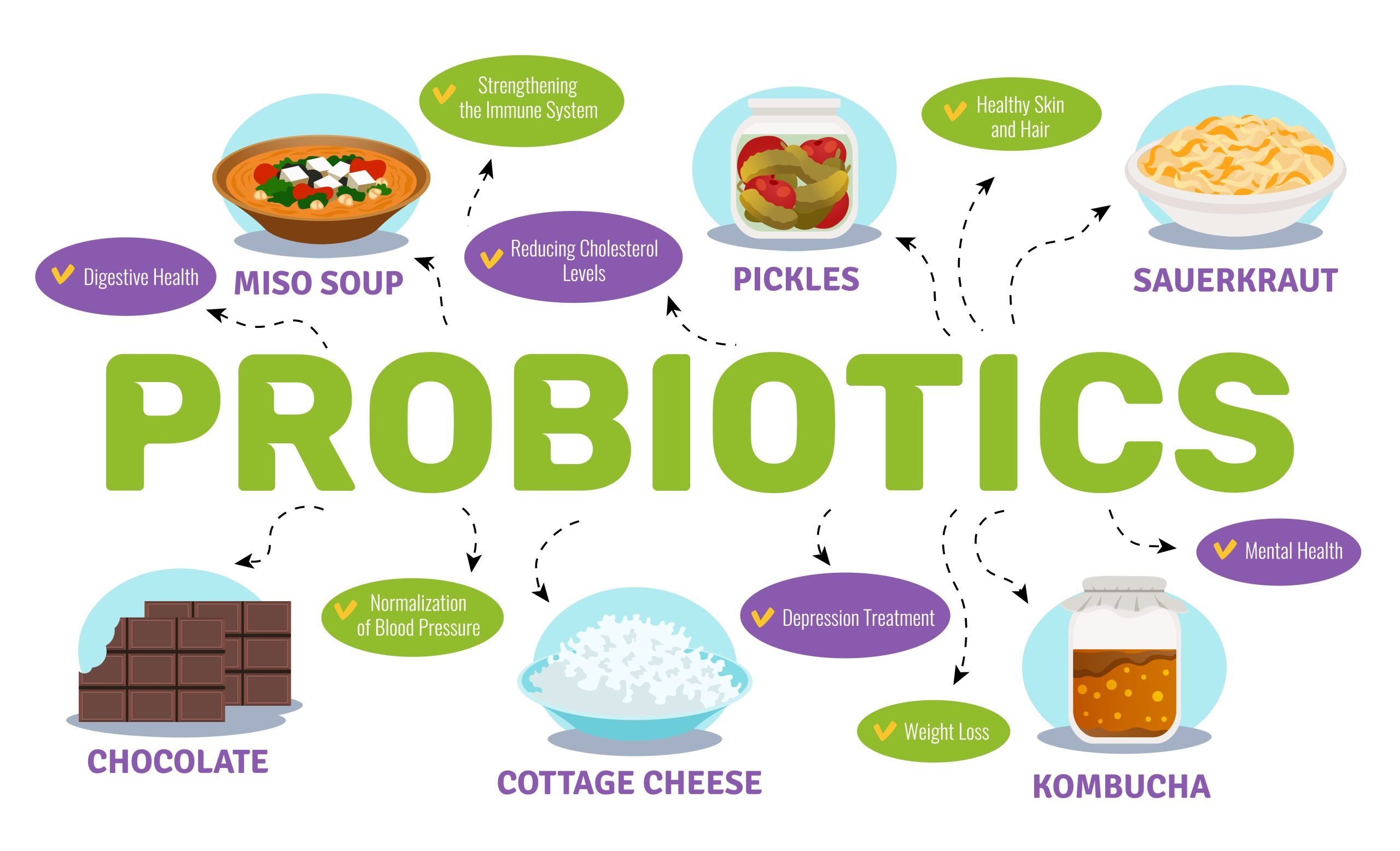
    Consuming probiotic-rich foods such as yogurt, kefir, sauerkraut, and kimchi can introduce diverse strains of beneficial bacteria into the gut, promoting microbial diversity and resilience. Probiotic supplements are also available and can be particularly beneficial for individuals with severe gut dysbiosis or those unable to tolerate probiotic-rich foods.

    Explore Bioma, a probiotic and prebiotic supplement in one. To learn more, check out our Bioma review. If you’re ready to order your own Bioma Supplements, simply click here. Enjoy free shipping and a 75% discount with the code below.

    ribbon
    Bioma Probiotics - 75% Off + FREE Shipping

    Bioma Probiotics - 75% Off + FREE Shipping

    Instantly save up to 75% off with Bioma Checkout Code! Plus, FREE shipping!
    BIO15DIY
    SHOW COUPON
    On Going Offer
  • It Works 100% Success It Doesn't
  • Fiber-Rich Diet: Nourishing the Gut Terrain

    A diet abundant in fiber is essential for maintaining a healthy gut environment. Fiber acts as a prebiotic, stimulating the growth of beneficial bacteria while also promoting regular bowel movements. Fiber-rich foods such as fruits, vegetables, legumes, nuts, and seeds provide essential nutrients and support digestive health.

    Dietary fiber can help prevent constipation, regulate blood sugar levels, and lower cholesterol levels, all of which contribute to overall well-being. Incorporating a variety of fiber-rich foods into the diet ensures a diverse array of nutrients and promotes a healthy gut microbiome.

    Avoiding Gut Disruptors

    How to Restore Gut Health After Antibiotics

    Certain dietary and lifestyle factors can exacerbate gut dysbiosis and hinder post-antibiotic recovery. Processed foods high in sugar and unhealthy fats can promote the growth of harmful bacteria, while excessive alcohol consumption and stress can further disrupt gut balance.

    Limiting these gut disruptors can facilitate the restoration process and support long-term gut health. Instead, focus on whole, nutrient-dense foods that nourish the body and support microbial diversity. Additionally, practicing stress-reducing techniques such as mindfulness, meditation, or yoga can help mitigate the negative effects of stress on gut function.

    Hydrating the Gut Ecosystem

    Proper hydration is crucial for maintaining optimal digestive function and supporting the growth of beneficial gut bacteria. Adequate water intake helps flush toxins from the body, prevent constipation, and promote overall gut health.

    In addition to water, herbal teas, coconut water, and infused water can add variety to hydration choices while providing additional health benefits. Avoiding excessive caffeine and sugary beverages is important for gut health, as these can disrupt hydration levels and contribute to gut inflammation.

    Physical Activity: Energizing the Gut Microbiota

    How to Restore Gut Health After Antibiotics

    Regular physical activity not only benefits overall health but also influences the composition and diversity of the gut microbiome. Exercise promotes microbial diversity and enhances the production of short-chain fatty acids, which are essential for gut health.

    Engaging in moderate-intensity activities such as walking, cycling, or yoga can positively impact gut microbial balance. Aim for at least 30 minutes of moderate exercise most days of the week to support gut health and overall well-being.

    Mindful Eating

    Practicing mindful eating habits can significantly impact gut health and aid in post-antibiotic recovery. Slowing down during meals, chewing food thoroughly, and paying attention to hunger and fullness cues can improve digestion and nutrient absorption.

    Additionally, incorporating stress-reducing techniques such as deep breathing or meditation can mitigate the negative effects of stress on gut function. Mindful eating promotes a healthy relationship with food and encourages awareness of how food choices impact overall health and well-being.

    Bioma for Gut Health

    How to Restore Gut Health After Antibiotics

    Bioma’s unique blend of beneficial bacteria operates much like a dedicated team, diligently maintaining the health and happiness of your gut. These bacteria play a crucial role in facilitating proper digestion and promoting overall well-being.

    The elements known as prebiotics within Bioma serve as nourishment for these beneficial bacteria residing in your gut. By supporting their growth and function, prebiotics are essential in preserving intestinal health and preventing discomforts such as bloating, irregular bowel movements, or digestive troubles.

    Furthermore, the activity of these beneficial bacteria results in the production of valuable postbiotics. These postbiotics contribute to the resilience of your intestines and bolster your body’s defenses against illnesses.

    if you’re interested in trying Bioma read our full Bioma review then Click here to kickstart your Bioma probiotics journey now. Grab the code below for free shipping and to get 75% off.

    ribbon
    Bioma Probiotics - 75% Off + FREE Shipping

    Bioma Probiotics - 75% Off + FREE Shipping

    Instantly save up to 75% off with Bioma Checkout Code! Plus, FREE shipping!
    BIO15DIY
    SHOW COUPON
    On Going Offer
  • It Works 100% Success It Doesn't
  • Wrap-Up

    In conclusion, restoring gut health after antibiotics is vital for our overall well-being. By incorporating probiotics, fiber-rich foods, and staying hydrated, we can replenish beneficial bacteria and support digestion.

    Additionally, adopting a balanced diet and managing stress levels play crucial roles in maintaining gut health. With patience and consistent efforts, we can gradually restore harmony within our digestive system and promote better health.

    FAQs – How to Restore Gut Health After Antibiotics

    How long does it take for gut bacteria to recover after antibiotics?

    It usually takes several weeks for gut bacteria to recover after a course of antibiotics. The exact time can vary depending on factors like the type and duration of antibiotics used, as well as individual differences in gut health.

    How do you reverse gut damage from antibiotics?

    To reverse gut damage from antibiotics, focus on replenishing beneficial bacteria. Include probiotic-rich foods like yogurt, kefir, and fermented vegetables in your diet. Additionally, consume prebiotic foods such as onions, garlic, and bananas to nourish the existing gut bacteria.

    How do I get my gut bacteria back to normal?

    To restore your gut bacteria to normal, adopt a balanced diet rich in fiber, fruits, and vegetables. Avoid excessive intake of processed foods and sugar, which can disrupt the gut microbiome. Incorporating fermented foods and probiotic supplements can also help restore microbial balance in the gut.

    Supplements to Improve Gut Health

    Supplements to Improve Gut Health
    Supplements to Improve Gut Health

    Ever wondered how to keep your gut happy and healthy? Well, let’s talk about supplements for gut health! These little helpers can make a big difference in how your gut feels and functions. From probiotics to digestive enzymes, there’s a whole world of options out there.

    So, whether you’re dealing with digestive issues or just want to boost your overall well-being, exploring these supplements could be just what your gut needs. Let’s dive in and learn more about how they can help maintain a balanced gut microbiome.

    Wanna know more about good supplements for your gut health, you can read our article “Top Supplements That Are Good For Gut Health”.

    Probiotics

    Supplements to Improve Gut Health

    Probiotics are live microorganisms that confer health benefits when consumed in adequate amounts. These beneficial bacteria colonize the gut, promoting a balanced microbial environment.

    Research suggests that probiotics can help alleviate symptoms of conditions like irritable bowel syndrome (IBS), inflammatory bowel disease (IBD), and antibiotic-associated diarrhea. Additionally, certain strains of probiotics have been shown to enhance immune function and reduce inflammation in the gut.

    Explore Bioma, a probiotic and prebiotic supplement in one. To learn more, check out our Bioma review. If you’re ready to order your own Bioma Supplements, simply click here. Enjoy free shipping and a 75% discount with the code below.

    ribbon
    Bioma Probiotics - 75% Off + FREE Shipping

    Bioma Probiotics - 75% Off + FREE Shipping

    Instantly save up to 75% off with Bioma Checkout Code! Plus, FREE shipping!
    BIO15DIY
    SHOW COUPON
    On Going Offer
  • It Works 100% Success It Doesn't
  • Prebiotics

    Prebiotics are non-digestible fibers that serve as food for probiotics, helping them thrive and multiply in the gut. By selectively stimulating the growth and activity of beneficial bacteria, prebiotics contribute to a healthier gut microbiome.

    Foods rich in prebiotics include garlic, onions, leeks, bananas, and asparagus. Supplementing with prebiotics can support the growth of beneficial bacteria, potentially improving digestion and overall gut health.

    Digestive Enzymes

    Supplements to Improve Gut Health

    Digestive enzymes are proteins that facilitate the breakdown of food into nutrients that can be absorbed by the body. Insufficient production of digestive enzymes can lead to digestive discomfort and nutrient malabsorption.

    Supplementing with digestive enzymes can aid in the digestion of proteins, fats, and carbohydrates, reducing symptoms like bloating, gas, and indigestion. These supplements may be particularly beneficial for individuals with conditions such as pancreatic insufficiency or lactose intolerance.

    Fiber Supplements

    Dietary fiber plays a crucial role in maintaining gut health by promoting regular bowel movements and supporting the growth of beneficial bacteria. However, many people fail to consume an adequate amount of fiber through their diet alone.

    Fiber supplements, such as psyllium husk, flaxseed, and glucomannan, can help bridge this gap and promote optimal gut function. These supplements can aid in relieving constipation, regulating blood sugar levels, and reducing the risk of colon cancer.

    Omega-3 Fatty Acids

    Supplements to Improve Gut Health

    Omega-3 fatty acids, found primarily in fatty fish like salmon, mackerel, and sardines, possess potent anti-inflammatory properties that can benefit gut health.

    These essential fatty acids help reduce inflammation in the gut lining, potentially alleviating symptoms of inflammatory bowel diseases such as Crohn’s disease and ulcerative colitis. Supplementing with omega-3 fatty acids may also promote a healthier balance of gut bacteria and support overall digestive function.

    L-Glutamine

    L-glutamine is an amino acid that serves as a primary fuel source for the cells lining the intestinal tract. It plays a vital role in maintaining the integrity of the intestinal barrier, preventing leaky gut syndrome and associated inflammation.

    Supplementing with L-glutamine can help repair damage to the gut lining, improve nutrient absorption, and support overall gut health. Research suggests that L-glutamine may be particularly beneficial for individuals with conditions like leaky gut, Crohn’s disease, and ulcerative colitis.

    Zinc Carnosine

    Supplements to Improve Gut Health

    Zinc carnosine is a combination of zinc and the amino acid carnosine, known for its gut-healing properties. This compound has been shown to strengthen the mucosal lining of the stomach and intestines, protecting against damage from factors like stress, infection, and medications.

    Supplementing with zinc carnosine can help alleviate symptoms of conditions like gastritis, acid reflux, and peptic ulcers. Additionally, it may support overall gut integrity and function, promoting better digestive health.

    Collagen Peptides

    Collagen is the most abundant protein in the body and plays a crucial role in maintaining the integrity of the gut lining. Collagen peptides, derived from collagen protein, have gained popularity as supplements for improving gut health.

    Research suggests that collagen peptides may help strengthen the intestinal barrier, reduce inflammation, and promote the healing of gastrointestinal tissues. Additionally, collagen peptides contain amino acids like glycine, proline, and glutamine, which are essential for gut health and repair.

    Supplementing with collagen peptides may support overall gut integrity and function, contributing to improved digestion and reduced symptoms of gut-related conditions.

    Vitamin D

    Supplements to Improve Gut Health

    Vitamin D plays a crucial role in immune function and inflammation regulation, both of which are closely linked to gut health. Low levels of vitamin D have been associated with an increased risk of inflammatory bowel diseases and other gut-related conditions.

    Supplementing with vitamin D may help modulate immune responses in the gut, reducing inflammation and promoting a healthier microbial balance. Adequate vitamin D levels are essential for maintaining optimal gut health and overall well-being.

    Quercetin

    Quercetin is a flavonoid antioxidant found in fruits, vegetables, and grains, known for its anti-inflammatory and immune-modulating properties. Emerging research suggests that quercetin may also have beneficial effects on gut health.

    Studies have shown that quercetin can help regulate immune responses in the gut, reducing inflammation and oxidative stress. Additionally, quercetin may support the growth of beneficial gut bacteria while inhibiting the growth of harmful pathogens.

    Supplementing with quercetin may help promote a healthier gut microbiome, improve gut barrier function, and alleviate symptoms of conditions like inflammatory bowel disease and leaky gut syndrome.

    Bioma for Gut Health

    Supplements to Improve Gut Health

    Bioma’s special mix of good bacteria is like a team that keeps your tummy happy and healthy. These bacteria are important for good digestion and overall well-being.

    The stuff called prebiotics in Bioma is like food for the good bacteria in your tummy. It helps them grow and do their job well. This is super important for keeping your intestines in good shape and avoiding issues like feeling too full, having a hard time pooping, or having a tummy that doesn’t act normal.

    And guess what? When these good bacteria do their thing, they create something called postbiotics. These postbiotics help your intestines stay strong and help your body fight off sickness.

    if you’re interested in trying Bioma read our full Bioma review then Click here to kickstart your Bioma probiotics journey now. Grab the code below for free shipping and to get 75% off.

    ribbon
    Bioma Probiotics - 75% Off + FREE Shipping

    Bioma Probiotics - 75% Off + FREE Shipping

    Instantly save up to 75% off with Bioma Checkout Code! Plus, FREE shipping!
    BIO15DIY
    SHOW COUPON
    On Going Offer
  • It Works 100% Success It Doesn't
  • Final Words

    In conclusion, incorporating supplements into your routine can be a simple and effective way to support your gut health. From probiotics to digestive enzymes, there are various options available to suit individual needs.

    Remember to consult with a healthcare professional before starting any new supplement regimen to ensure it aligns with your overall health goals. Making small changes like this can lead to big improvements in how you feel every day.

    FAQs – Supplements to Improve Gut Health

    What is the best supplement for a healthy gut?

    For a healthy gut, probiotics are among the best supplements. These are beneficial bacteria that support digestion and maintain a balanced gut flora. Incorporating probiotic-rich foods like yogurt, kefir, and sauerkraut into your diet can promote gut health effectively.

    What vitamins are good for gut health?

    Vitamins such as vitamin D, vitamin B complex, and vitamin C are beneficial for gut health. Vitamin D helps regulate immune function and reduces inflammation in the gut. B vitamins support the production of digestive enzymes, while vitamin C aids in healing and maintaining the gut lining.

    What is the fastest way to improve gut health?

    To swiftly improve gut health, focus on dietary changes. Increase your intake of fiber-rich foods like fruits, vegetables, and whole grains, as fiber promotes regular bowel movements and nourishes beneficial gut bacteria.

    Additionally, stay hydrated, manage stress levels, and limit intake of processed foods and sugary beverages to support a healthy gut environment.

    Flat Stomach 7-Day Diet Plan for Weight Loss

    Rapid Weight Loss Plant Based Diet
    Rapid Weight Loss Plant Based Diet

    Looking to shed some pounds and get that flat stomach you’ve been dreaming of? Well, you’re in luck! Introducing the Flat Stomach 7-Day Diet Plan for Weight Loss. This easy-to-follow meal plan is designed to help you trim down and achieve your fitness goals in just one week.

    Say goodbye to bloating and hello to a slimmer waistline with this simple and effective diet plan. Get ready to kickstart your journey to a healthier you!

    Understanding the Mechanics

    Flat Stomach 7 Day Diet Plan for Weight Loss

    Before delving into the meal plan, it’s essential to grasp the fundamentals. A flat stomach isn’t solely about shedding pounds; it’s about reducing bloating, eliminating excess water weight, and consuming foods that support digestion and metabolism.

    Wanna know more about what to eat during weight loss, you can check out our article “Tips for Eating Out While Losing Weight”.

    Day 1: Kickstarting with Clean Eating

    Clean eating involves consuming whole, minimally processed foods that are rich in nutrients and free from additives or artificial ingredients. This sets a strong foundation for your weight loss journey by providing essential vitamins, minerals, and fiber while eliminating potential sources of bloating or inflammation.

    Starting your day with oatmeal topped with berries and nuts is an excellent choice. Oatmeal is a complex carbohydrate that provides sustained energy, while berries offer antioxidants and fiber. Nuts add healthy fats and protein, keeping you feeling satisfied until your next meal.

    For lunch, opt for a grilled chicken salad packed with leafy greens and a variety of colorful vegetables. Lean protein from the chicken helps build and repair muscles, while the fiber from the vegetables aids in digestion and promotes satiety.

    Dinner should be light yet satisfying. Baked salmon is a great source of omega-3 fatty acids, which have anti-inflammatory properties and support heart health. Pair it with quinoa, a protein-rich whole grain, and steamed broccoli for added fiber and vitamins.

    Day 2: Embrace Plant Power

    Flat Stomach 7 Day Diet Plan for Weight Loss

    Plant-based foods are not only nutritious but also incredibly versatile. They’re naturally low in calories and high in fiber, making them ideal for weight loss and promoting a flat stomach.

    Starting your day with a green smoothie is a refreshing way to incorporate more greens into your diet. Blend spinach, banana, and almond milk for a nutrient-packed breakfast that’s easy to digest and will keep you feeling energized throughout the morning.

    For lunch, indulge in a quinoa and black bean Buddha bowl. Quinoa provides complete protein, while black beans add fiber and essential nutrients. Top it with your favorite vegetables and a drizzle of tahini dressing for added flavor.

    Dinner can feature roasted vegetables served with a side of lentils. Roasting vegetables brings out their natural sweetness and enhances their flavor, making them a delicious and satisfying option for any meal. Lentils are rich in protein and fiber, making them an excellent choice for supporting weight loss and digestive health.

    Day 3: Protein-Packed Options

    Protein is essential for building and repairing tissues, including muscle tissue, which plays a crucial role in boosting metabolism and burning calories.

    Starting your day with scrambled eggs is a classic breakfast choice that provides high-quality protein and essential nutrients. Pair them with whole-grain toast for complex carbohydrates and avocado for healthy fats.

    For lunch, enjoy a turkey and avocado wrap. Turkey is a lean source of protein, while avocado adds creaminess and healthy fats. Wrap it in a whole-grain tortilla and add plenty of vegetables for added fiber and nutrients.

    Dinner could feature grilled tofu with stir-fried vegetables. Tofu is a plant-based protein that absorbs flavors well and can be seasoned to your liking. Pair it with a variety of colorful vegetables for a nutritious and satisfying meal.

    Day 4: Incorporating Healthy Fats

    Flat Stomach 7 Day Diet Plan for Weight Loss

    Healthy fats are an essential component of a balanced diet and play a crucial role in supporting overall health and weight loss.

    Starting your day with Greek yogurt topped with chia seeds and almonds is a delicious and nutritious breakfast option. Greek yogurt is high in protein and probiotics, which support gut health, while chia seeds and almonds provide healthy fats and fiber.

    For lunch, enjoy a spinach salad with grilled shrimp and avocado. Spinach is packed with vitamins and minerals, while shrimp is a lean source of protein. Avocado adds creaminess and healthy fats, making this salad both satisfying and nutritious.

    Dinner could feature baked cod drizzled with olive oil, accompanied by roasted sweet potatoes and asparagus. Cod is a mild-flavored fish that’s high in protein and low in calories, making it an excellent choice for weight loss. Sweet potatoes are rich in complex carbohydrates and fiber, while asparagus adds vitamins and minerals.

    Day 5: Focus on Whole Grains

    Whole grains are an important source of carbohydrates, which provide the body with energy and support digestive health.

    Starting your day with steel-cut oats topped with banana and honey is a hearty and nutritious breakfast choice. Steel-cut oats are less processed than rolled oats, retaining more fiber and nutrients. Banana adds natural sweetness and potassium, while honey provides a touch of sweetness.

    For lunch, opt for a whole-grain wrap filled with hummus, grilled vegetables, and falafel. Whole-grain wraps are rich in fiber and complex carbohydrates, while hummus provides protein and healthy fats. Grilled vegetables add flavor and nutrients, while falafel provides plant-based protein.

    Dinner could feature a quinoa and vegetable stir-fry with tofu or chicken. Quinoa is a complete protein, meaning it contains all nine essential amino acids. Stir-frying vegetables helps retain their nutrients and flavor, while tofu or chicken adds protein and texture.

    Day 6: Hydration and Detoxification

    Flat Stomach 7 Day Diet Plan for Weight Loss

    Proper hydration is essential for overall health and plays a crucial role in supporting weight loss and a flat stomach.

    Starting your day with warm lemon water is a simple yet effective way to hydrate the body and support digestion. Lemon water is alkalizing and can help flush toxins from the body, reducing bloating and promoting a flat stomach.

    Throughout the day, focus on consuming plenty of water, herbal teas, and detoxifying beverages like cucumber mint-infused water. These beverages not only keep you hydrated but also provide essential nutrients and antioxidants that support overall health.

    Meals should include hydrating foods such as watermelon, cucumber, and leafy greens. These foods have high water content and are low in calories, making them ideal for weight loss and promoting a flat stomach.

    Day 7: Mindful Eating and Balance

    As the week comes to a close, it’s essential to practice mindful eating and maintain a balanced approach to nutrition.

    Starting your day with a protein-packed breakfast like Greek yogurt with mixed berries and granola provides sustained energy and essential nutrients. Greek yogurt is high in protein and probiotics, while berries add antioxidants and fiber. Granola adds crunch and texture, making this breakfast both satisfying and nutritious.

    For lunch, enjoy a balanced plate featuring grilled chicken or tofu, quinoa, and roasted vegetables. Grilled chicken or tofu provides protein, while quinoa offers complex carbohydrates and fiber. Roasted vegetables add flavor and nutrients, making this meal both delicious and nutritious.

    Dinner could consist of grilled salmon with a side of steamed green beans and a quinoa pilaf. Salmon is rich in omega-3 fatty acids, which have anti-inflammatory properties and support heart health. Steamed green beans are low in calories and high in fiber, while quinoa pilaf adds protein and complex carbohydrates.

    Beyond Body – Your Ultimate Weight Loss Mentor

    Flat Stomach 7 Day Diet Plan for Weight Loss

    Beyond Body stands out due to its personalized approach to nutrition and fitness, tailoring meal and exercise plans to your preferences and needs. The 28-day meal plan not only promotes healthy eating but also makes it enjoyable, ensuring you savor delicious meals while prioritizing your well-being.

    Beyond Body goes beyond mere weight loss, acting as a supportive companion on your journey to a healthier and happier life.
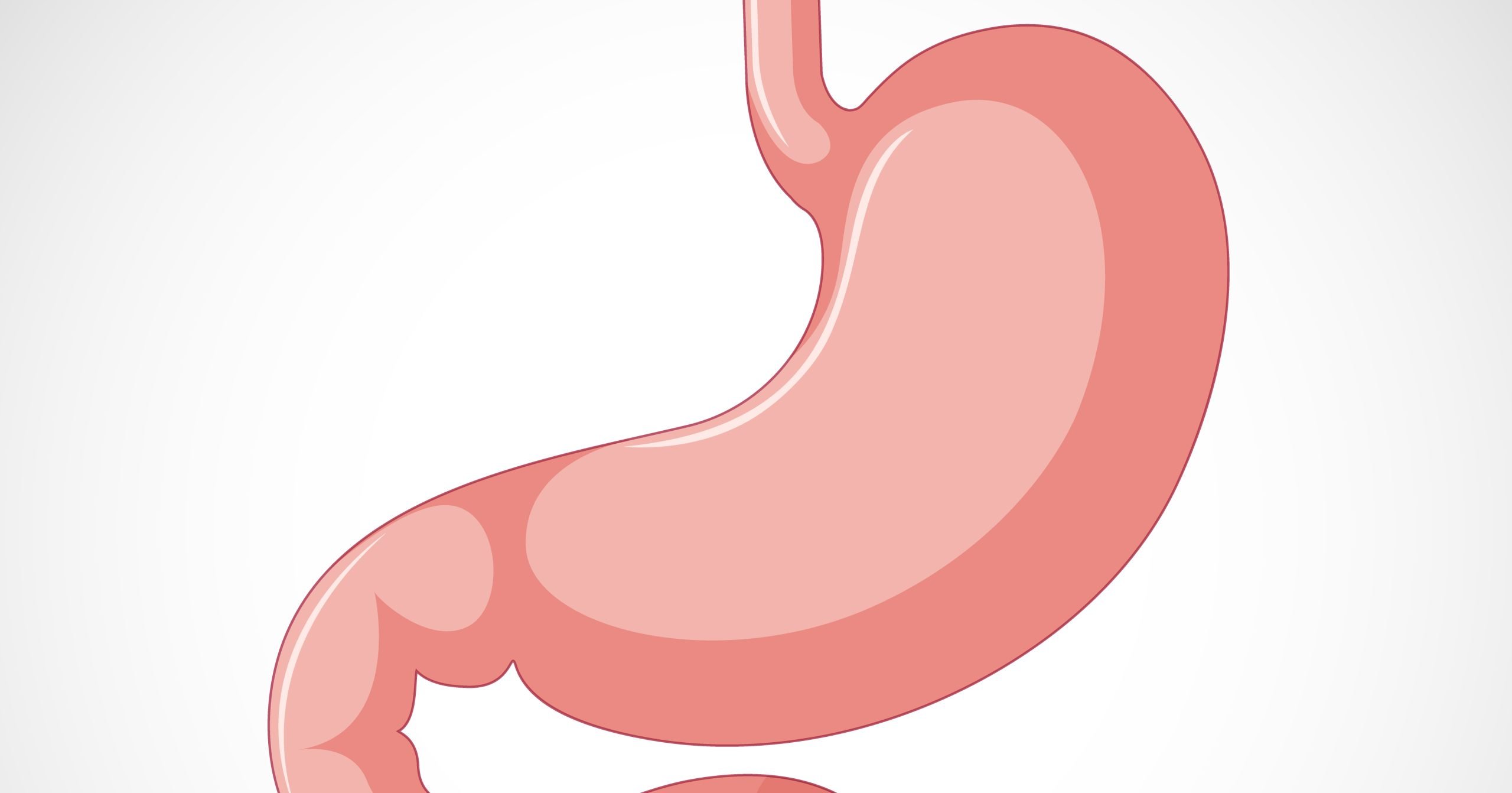
    If you’re interested, check out our comprehensive Beyond Body review. Take the brief quiz to embark on your personalized health journey and unlock exclusive savings of up to 60% off using the code provided below:

    ribbon
    Beyond Body - 67% Off Discount Code

    Beyond Body - 67% Off Discount Code

    Up to 67% OFF Beyond Body Checkout Code - LARGEST discount on the internet!
    AUTO APPLIED AT CHECKOUT
    SHOW COUPON
    On Going Offer
  • It Works 100% Success It Doesn't
  • Final Words

    In wrapping up this 7-day diet plan, remember that consistency is key. While this plan can kickstart your journey to a flatter stomach, sustaining healthy habits is what will lead to long-term success.

    Listen to your body, stay hydrated, and incorporate regular exercise to maximize results. Keep striving for progress, not perfection, and celebrate every step towards a healthier you. Cheers to your journey ahead!

    FAQs – Flat Stomach 7-Day Diet Plan for Weight Loss

    How can I slim my stomach in 7 days?

    To trim your stomach in a week, focus on a balanced diet rich in fruits, vegetables, lean proteins, and whole grains. Incorporate exercises like crunches, planks, and cardio to target belly fat. Stay hydrated and limit sugary drinks for better results.

    Can I get slim in 7 days?

    Getting significantly slimmer in just seven days might be challenging, but you can make progress by combining a healthy diet with regular exercise. Aim for small, sustainable changes rather than drastic measures. Consistency is key to long-term success.


    How to lose belly fat in 7 days with diet?

    Losing belly fat in a week requires a disciplined approach to your diet. Opt for foods high in fiber and protein to keep you feeling full longer. Avoid processed foods and sugary snacks, and instead, focus on whole, nutrient-dense options. Combine this with cardio and strength training exercises for maximum effectiveness.