The Role of Cortisol in Fat Loss and Muscle Gain

Personal Trainer for Weight Loss

Ever thought about why some folks seem to shed fat more easily while others bulk up with muscles? It’s all about a tiny but mighty hormone called cortisol. Yep, that’s the star of the show in “The Role of Cortisol in Fat Loss and Muscle Gain”. This hormone plays a big role in how our bodies store fat and build muscle.

So, if you’re looking to understand the secrets behind getting leaner or beefing up, stick around. We’re about to dive into how this sneaky hormone can either be your best bud or your biggest challenge in the quest for fitness. Let’s get into it!

Understanding Cortisol: The Body’s Stress Hormone

The Role of Cortisol in Fat Loss and Muscle Gain

Cortisol, often dubbed the “stress hormone,” plays a pivotal role in various bodily functions, including fat loss and muscle gain. While its reputation as the enemy of fitness goals might precede it, cortisol is a nuanced hormone with both positive and negative effects. To comprehend its impact on our physique, we delve into the multifaceted ways cortisol influences fat loss and muscle gain.

Cortisol: The Basics

At its core, cortisol serves as the body’s built-in alarm system. Produced by the adrenal glands, this hormone responds to stress signals, preparing the body for the famed “fight or flight” response. In times of acute stress, cortisol levels spike, flooding the system with glucose for quick energy and suppressing non-essential functions like digestion and immune response.

The Influence on Fat Storage

The Role of Cortisol in Fat Loss and Muscle Gain

One of cortisol’s most discussed roles in the fitness realm is its impact on fat storage. Elevated cortisol levels have been associated with increased visceral fat, particularly around the abdomen. This type of fat, unlike subcutaneous fat found under the skin, is linked to a higher risk of health issues such as heart disease and diabetes.

When cortisol levels remain chronically elevated, as often seen in individuals with high-stress levels or poor stress management, the body tends to store more fat, especially in the abdominal area.

This happens due to cortisol’s ability to mobilize triglycerides from storage and relocate them to fat cells, particularly those deep in the abdominal region. This redistribution of fat, particularly visceral fat, is concerning as it is metabolically active, releasing fatty acids and hormones that can lead to insulin resistance and inflammation.

Moreover, cortisol also interacts with other hormones involved in fat storage and metabolism, such as insulin. Elevated cortisol levels can lead to insulin resistance, where the body’s cells become less responsive to insulin, promoting further fat storage, especially around the midsection.

Cortisol and Appetite Regulation

Interestingly, cortisol also plays a role in appetite regulation. During times of stress, cortisol can trigger cravings for high-calorie, comfort foods. This natural response likely stems from our ancestors’ need for quick, energy-dense foods to survive immediate threats. However, in today’s world of chronic stressors, this mechanism can lead to overeating and weight gain.

The cravings induced by cortisol often lean towards foods high in sugar, fat, and salt—items that provide a rapid but temporary boost in mood and energy. Unfortunately, indulging in these cravings frequently can lead to a cycle of overeating, weight gain, and potential health issues.

Moreover, cortisol’s influence on appetite isn’t just about cravings. It can also affect the body’s hunger hormones, such as ghrelin and leptin. Ghrelin, often referred to as the “hunger hormone,” increases appetite, while leptin, known as the “satiety hormone,” signals fullness.

Cortisol can disrupt the balance of these hormones, leading to increased hunger and decreased feelings of fullness, further contributing to overeating and weight gain.

The Muscle Conundrum: Cortisol and Muscle Breakdown

The Role of Cortisol in Fat Loss and Muscle Gain

While cortisol’s relationship with fat storage is often in the limelight, its impact on muscle gain is equally significant. Chronically elevated cortisol levels have been linked to muscle breakdown. This occurs when cortisol inhibits protein synthesis, the process by which muscles repair and grow after exercise.

In a normal, healthy cycle, exercise leads to tiny tears in muscle fibers, prompting the body to repair and rebuild them stronger than before. This process is crucial for muscle growth and strength gains. However, when cortisol levels are consistently high, it can interfere with this repair process.

Cortisol promotes the breakdown of muscle tissue into amino acids, which can then be converted into glucose for energy. While this mechanism is useful in short bursts, such as during intense exercise or periods of fasting, chronic elevation of cortisol can lead to excessive muscle breakdown. As a result, individuals may find it challenging to see gains in muscle mass, despite their efforts in the gym.

Exercise and Cortisol: Finding the Balance

Interestingly, exercise itself induces a cortisol response. Intense workouts, especially those of long duration, can temporarily increase cortisol levels. This is a natural part of the body’s adaptation to stress. However, the key lies in striking a balance. While acute spikes in cortisol from exercise are normal and even beneficial for adaptation, chronic elevation due to overtraining can be detrimental to muscle growth and overall health.

Individuals engaged in intense training regimens, such as endurance athletes or those focused on rigorous weightlifting, need to pay attention to their recovery strategies. Proper rest, adequate nutrition, and incorporating periods of lower-intensity exercise or active recovery can help mitigate the negative effects of prolonged cortisol elevation.

Moreover, the timing of exercise can also influence cortisol levels. Some research suggests that early morning workouts, particularly on an empty stomach, may lead to a more significant cortisol response. While this can be beneficial for fat burning, individuals should balance this with proper nutrition post-workout to support muscle recovery and growth.

Strategies to Manage Cortisol Levels

The Role of Cortisol in Fat Loss and Muscle Gain

Fortunately, there are several strategies to keep cortisol levels in check, promoting fat loss and muscle gain. Adequate sleep stands as a crucial factor, as poor sleep has been linked to higher cortisol levels.

The body’s natural circadian rhythm regulates cortisol production, with levels typically peaking in the early morning to help wake you up and gradually declining throughout the day. Disrupting this rhythm with irregular sleep patterns or insufficient rest can lead to dysregulated cortisol levels.

Additionally, stress management techniques such as yoga, meditation, or simply engaging in hobbies can help mitigate chronic stressors. These practices promote the activation of the body’s relaxation response, counteracting the effects of cortisol. Even small daily habits, such as deep breathing exercises or taking short breaks during stressful workdays, can contribute to a healthier cortisol profile.

Nutrition’s Impact on Cortisol

Diet plays a significant role in cortisol regulation. Consuming a balanced diet rich in fruits, vegetables, whole grains, and lean proteins can help stabilize blood sugar levels, thus preventing cortisol spikes. Moreover, avoiding excessive caffeine and refined sugars can also contribute to a more stable cortisol profile.

High-glycemic foods, such as sugary treats or refined carbohydrates, can cause rapid spikes and subsequent crashes in blood sugar levels. These fluctuations trigger the release of cortisol to regulate blood glucose, contributing to a cycle of dysregulated cortisol and potential fat storage.

In contrast, a diet rich in nutrients provides the body with the building blocks it needs to manage stress effectively. Foods high in omega-3 fatty acids, such as fatty fish, walnuts, and flaxseeds, have been shown to help regulate cortisol levels. Similarly, magnesium-rich foods like spinach, almonds, and avocados can support the body’s stress response.

The Role of Supplements

The Role of Cortisol in Fat Loss and Muscle Gain

In the world of fitness supplements, certain compounds are purported to assist in cortisol management. For instance, adaptogens like ashwagandha and Rhodiola rosea have gained popularity for their potential to modulate stress hormone levels.

These herbal remedies have been used for centuries in traditional medicine systems and are believed to help the body adapt to stressors more effectively. Ashwagandha, in particular, has been studied for its ability to reduce cortisol levels in chronically stressed individuals.

Research suggests that it can help regulate the body’s stress response, promoting a more balanced cortisol profile. Similarly, Rhodiola rosea is thought to enhance the body’s resistance to stress, potentially reducing the impact of cortisol on fat storage and muscle breakdown.

However, it’s crucial to approach such supplements with caution and consult with a healthcare professional. While many natural remedies have shown promise in cortisol management, individual responses can vary.

Moreover, supplements should complement a healthy lifestyle that includes proper nutrition, exercise, and stress management practices. Wanna know more about supplements, you can read our article “Are Weight Loss Supplements Safe?”.

Final Words

In the quest for fitness, understanding cortisol’s role is key. Balancing this hormone is vital for fat loss and muscle gain. Remember, managing stress through exercise, sleep, and diet helps keep cortisol levels in check. Strive for a healthy lifestyle, and your body will thank you with the results you desire!

FAQs on the Role of Cortisol in Fat Loss and Muscle Gain

What role does cortisol play in fat loss?

Cortisol is a hormone that can impact fat loss by regulating metabolism and energy use. When cortisol levels are high, it can lead to increased fat storage, especially around the belly. Managing stress and getting enough sleep can help keep cortisol levels in check, supporting efforts for fat loss.

What is the role of cortisol in muscle growth?

In terms of muscle growth, cortisol has a bit of a tricky role. In moderate amounts, it can actually help with muscle recovery after exercise. However, chronically high levels of cortisol can break down muscle tissue, hindering growth. So, keeping stress levels balanced and getting proper rest are key to optimizing muscle growth.

Does cortisol turn muscle into fat?

It’s a common myth that cortisol directly turns muscle into fat. However, the reality is a bit more nuanced. Cortisol can increase fat storage, especially around the abdomen, while also breaking down muscle tissue.

So, while it doesn’t directly convert muscle into fat, it can contribute to both muscle loss and increased fat storage if levels are consistently high. Balancing stress, diet, and exercise helps manage cortisol levels for overall health.


Vegan Athletes: Meeting Nutritional Needs Without Animal Products

Rapid Weight Loss Plant Based Diet

Ever wondered how Vegan Athletes manage to stay fit and strong without eating any animal products? It’s pretty fascinating! In this discussion about “Vegan Athletes: Meeting Nutritional Needs without Animal Products,” we’ll delve into the world of plant-powered champions.

You might be surprised at how they get all the protein, vitamins, and energy they need for peak performance. So, let’s lace up our sneakers and explore the deliciously nutritious world of vegan athletic fuel!

Plant-Based Protein Powerhouses

Vegan Athletes: Meeting Nutritional Needs without Animal Products

Protein, often considered the cornerstone of an athlete’s diet, is abundantly available in plant-based sources. Contrary to the misconception that only animal products provide high-quality protein, plant-based athletes find their protein in legumes such as lentils, chickpeas, and beans.

These versatile foods not only pack a protein punch but also offer essential nutrients like fiber, iron, and antioxidants. Additionally, tofu and tempeh, derived from soybeans, stand as formidable protein sources, beloved by many vegan athletes for their versatility in dishes.

Wanna know if personal trainer can give nutrition advice, you can read our article “Can Personal Trainers Give Nutrition Advice?

Embracing the Mighty Grains

Carbohydrates are the primary fuel for athletes, providing the energy needed for intense workouts and competitions. Whole grains such as quinoa, brown rice, and oats become the go-to choices for vegan athletes.

These grains offer a sustained release of energy, aiding in endurance and stamina during long training sessions. Athletes often craft nourishing meals with these grains as the base, adding colorful vegetables and protein sources for a well-rounded plate.

Fats for Function and Flavor

Vegan Athletes: Meeting Nutritional Needs without Animal Products

Healthy fats are vital for overall health, especially for athletes needing to support joint function and promote recovery. Nuts and seeds take center stage in a vegan athlete’s pantry, offering not only healthy fats but also essential micronutrients like vitamin E and magnesium.

Avocados, rich and creamy, find their way into salads, sandwiches, and smoothies, providing a satisfying texture alongside their nutritional benefits.

The Green Revolution

Dark, leafy greens like spinach, kale, and Swiss chard are the champions of nutrient density. Packed with vitamins, minerals, and phytonutrients, these vegetables contribute to overall health and performance.

Vegan athletes often emphasize a rainbow-colored plate, indicating a diverse array of vegetables, each offering a unique set of benefits. Bell peppers, broccoli, and sweet potatoes are among the favorites, providing antioxidants and essential vitamins for recovery and immune function.

Addressing Vitamin and Mineral Needs

Vegan Athletes: Meeting Nutritional Needs without Animal Products

Meeting micronutrient needs is crucial for any athlete, regardless of dietary preference. For vegan athletes, attention to certain vitamins and minerals becomes paramount. Vitamin B12, primarily found in animal products, requires supplementation or fortified foods in a vegan diet.

Iron, important for oxygen transport in the blood, can be sourced from lentils, spinach, and fortified cereals. Calcium, vital for bone health, finds its way into vegan diets through fortified plant milks and leafy greens.

Supplements as Support

In the quest to optimize performance and ensure adequate nutrient intake, some vegan athletes turn to supplements. While a well-planned vegan diet can meet most needs, supplements offer reassurance for certain nutrients.

Omega-3 fatty acids, commonly found in fish, can be obtained from algae-based supplements. Vitamin D, crucial for bone health and immune function, might require supplementation, especially for athletes training indoors or in low-sunlight areas.

Hydration: The Unsung Hero of Performance

Vegan Athletes: Meeting Nutritional Needs without Animal Products

Often overlooked but absolutely critical, hydration plays a pivotal role in athletic success. Water is, of course, the primary choice, but for those engaged in strenuous or prolonged activities, electrolyte balance becomes crucial.

Coconut water, with its natural electrolytes, becomes a refreshing option for rehydration. Some vegan athletes opt for electrolyte tablets or homemade sports drinks using natural ingredients like citrus juices and a pinch of salt.

Making Veganism Delicious

One of the joys of being a vegan athlete is the opportunity for culinary creativity. Athletes often experiment with new flavors, ingredients, and cooking techniques to keep meals exciting and satisfying.

Plant-based proteins can be marinated, grilled, or sautéed with an array of herbs and spices for depth of flavor. Buddha bowls, a favorite among many athletes, combine grains, vegetables, proteins, and flavorful dressings into a vibrant and nutritious meal.

Balance and Individualization

Vegan Athletes: Meeting Nutritional Needs without Animal Products

Ultimately, the journey of a vegan athlete is about finding balance and personalized approaches to nutrition. Each athlete’s needs vary based on their sport, training intensity, body composition, and goals.

Consulting with a sports nutritionist or dietitian can provide invaluable guidance in crafting a diet that meets individual requirements. By listening to their bodies, staying informed, and embracing the abundance of plant-based foods, vegan athletes continue to redefine the possibilities of athletic excellence.

Mindful Eating Practices

  • Vegan athletes often emphasize the importance of mindful eating, focusing on the experience of each meal.
  • By slowing down, savoring flavors, and paying attention to hunger cues, they cultivate a deeper connection with their food.
  • This approach not only enhances the enjoyment of meals but also promotes better digestion and nutrient absorption.
  • Mindful eating serves as a reminder that nourishing the body is not just about what is on the plate but also about the experience of eating itself.

Rest and Recovery

While nutrition is a cornerstone of athletic success, the role of rest and recovery cannot be overstated. Vegan athletes understand the importance of quality sleep, allowing their bodies to repair and rejuvenate after intense training sessions.

Practices such as yoga, meditation, and gentle stretching become essential for maintaining flexibility, reducing the risk of injury, and promoting overall well-being. By prioritizing rest alongside their plant-powered nutrition, vegan athletes ensure they are ready to perform at their best when it counts.

Environmental Impact

Vegan Athletes: Meeting Nutritional Needs without Animal Products

Beyond personal health benefits, many vegan athletes are motivated by a desire to reduce their environmental footprint. Animal agriculture is a significant contributor to greenhouse gas emissions and deforestation.

By choosing plant-based diets, these athletes align their actions with their values, contributing to a more sustainable future for all. This environmental consciousness adds another layer of purpose to their athletic pursuits, creating a ripple effect of positive impact.

Final Words

In conclusion, vegan athletes can power their performance by carefully planning their diets. A variety of plant-based foods, such as legumes, nuts, seeds, and grains, can provide the necessary proteins, vitamins, and minerals.

Supplements like B12 can fill any gaps. By staying informed and creative in the kitchen, vegan athletes can thrive, showing that plant power is a winning choice for both health and performance.

FAQs on Vegan Athletes

How do vegetarian athletes have the energy they need to be competitive without eating meat?

Vegetarian athletes fuel their bodies with a variety of plant-based foods rich in carbohydrates, proteins, and fats. They rely on foods like beans, lentils, quinoa, and nuts to provide sustained energy for training and competition.

Incorporating a well-balanced diet with plenty of fruits and vegetables also ensures they get essential vitamins and minerals to support their active lifestyle.

How do vegetarians meet their protein needs if they are not eating animal products?

Meeting protein needs for vegetarians is all about diversity in food choices. Foods like tofu, tempeh, chickpeas, and hemp seeds are excellent sources of plant-based protein.

Combining different protein sources throughout the day, such as pairing beans with rice or eating a variety of nuts and seeds, helps vegetarians easily meet their protein requirements without relying on animal products.

How can vegetarian vegans get these nutrients without eating meat?

For vegetarians and vegans alike, getting essential nutrients is about understanding plant-based sources. Foods like leafy greens, fortified plant milk, and nutritional yeast offer sources of calcium, vitamin D, and B12.

Incorporating foods high in omega-3 fatty acids, such as flaxseeds and walnuts, also supports overall health without the need for meat in their diets. Balancing these foods ensures they receive the necessary nutrients for optimal performance and well-being.

The Impact of Blue Light on Sleep and Recovery

The Impact of Blue Light on Sleep and Recovery

Curious about how the glow of your screens might be affecting your sleep? Well, let’s delve into the world of “The Impact of Blue Light on Sleep and Recovery.” We all love our devices, but the blue light they emit can mess with our body’s natural sleep rhythms.

In this discussion, we’ll explore just how this sneaky light impacts our ability to rest and recover. So, if you’re ready to uncover the secrets of better sleep and improved recovery, let’s jump right in!

Understanding Blue Light

The Impact of Blue Light on Sleep and Recovery

Before delving into its effects, it’s essential to understand what blue light is and where it comes from. Blue light is a type of light with a short wavelength and high energy. It is part of the visible light spectrum, which also includes other colors like red, orange, yellow, green, and violet.

Unlike natural sources of blue light, such as the sun, artificial sources emit concentrated amounts, especially from our digital devices.

Disrupting Circadian Rhythms

One of the most significant impacts of blue light is its effect on our circadian rhythms, our body’s internal clock that regulates our sleep-wake cycle. Exposure to blue light, particularly in the evening and nighttime hours, can trick our brains into thinking it’s daytime.

This, in turn, suppresses the production of melatonin, the hormone responsible for making us feel sleepy. When our brains perceive blue light from screens, they interpret it as daylight, signaling to our bodies that it’s not yet time to sleep.

This suppression of melatonin production delays the onset of sleepiness, making it harder to fall asleep at our desired bedtime. Over time, this disruption can lead to irregular sleep patterns, insomnia, and overall poor sleep quality.

Poor Sleep Quality

The Impact of Blue Light on Sleep and Recovery

The suppression of melatonin due to blue light exposure can lead to poor sleep quality. Research has shown that individuals who use electronic devices before bedtime tend to take longer to fall asleep and experience less restorative sleep overall.

This can result in feelings of grogginess and fatigue the next day, impacting our ability to function at our best.

The lack of quality sleep affects various aspects of our lives, from our mood and cognitive abilities to our physical health. Chronic sleep deprivation, often a result of prolonged exposure to blue light before bedtime, has been linked to an increased risk of obesity, heart disease, diabetes, and other serious health conditions.

Wanna how to improve sleep quality, you can read our article “How to Balance Sleep and Weight Loss”.

Impact on REM Sleep

Blue light doesn’t just affect the quantity of our sleep; it can also impact the quality. Rapid Eye Movement (REM) sleep, a crucial stage of the sleep cycle associated with dreaming and memory consolidation, can be disrupted by blue light exposure.

When REM sleep is compromised, it can lead to cognitive impairment, mood disturbances, and difficulty learning new information.

During REM sleep, our brains process and store memories from the day, helping us retain information and learn new skills. When this stage is disrupted by blue light, our ability to consolidate memories and make sense of our experiences is compromised. This can have long-term effects on our cognitive function and emotional well-being.

Effects on Recovery

The Impact of Blue Light on Sleep and Recovery

Quality sleep is essential for the body’s recovery processes, including muscle repair, growth, and overall rejuvenation. When our sleep is disrupted by blue light, our bodies may not have sufficient time to undergo these necessary processes.

This can be particularly detrimental for athletes or individuals engaged in physical activities, as proper recovery is key to improving performance and preventing injuries. Muscle repair and growth primarily occur during deep sleep stages, such as REM sleep.

Without adequate rest, muscles may not fully recover from the day’s exertions, leading to increased soreness, fatigue, and a higher risk of overuse injuries. Additionally, the body’s production of growth hormone, essential for tissue repair and regeneration, may be compromised by inadequate sleep due to blue light exposure.

Eye Strain and Fatigue

Aside from its impact on sleep, prolonged exposure to blue light can also cause eye strain and fatigue. Staring at screens for extended periods can lead to digital eye strain, characterized by symptoms such as dry eyes, headaches, blurred vision, and neck and shoulder pain.

This not only affects our comfort but can also hinder productivity and focus. The blue light emitted by screens is particularly harsh on our eyes, as it scatters more easily than other colors, leading to glare and discomfort.

Over time, this constant strain can contribute to more serious eye conditions, such as macular degeneration and cataracts. It’s essential to take regular breaks from screens, adjust screen brightness, and use blue light filters or glasses to protect our eyes from prolonged exposure.

Protecting Against Blue Light

The Impact of Blue Light on Sleep and Recovery

Given the prevalence of blue light in our daily lives, it’s crucial to take steps to protect ourselves. One of the simplest ways is to reduce screen time, especially in the hours leading up to bedtime. This allows our brains to naturally produce melatonin and prepare for sleep.

Additionally, using blue light filters or applications on our devices can help mitigate the effects of blue light exposure. Many smartphones and computers now come equipped with “night mode” or “blue light filter” settings, which reduce the amount of blue light emitted by the screen.

Enabling these features, particularly in the evening, can significantly reduce the impact of blue light on our sleep patterns. Investing in blue light-blocking glasses, which filter out HEV light, is another effective way to protect our eyes and promote better sleep.

Incorporating Healthy Habits

Incorporating healthy sleep habits into our daily routines can also counteract the impact of blue light. Establishing a consistent sleep schedule, creating a relaxing bedtime routine, and ensuring our sleep environment is conducive to rest can all contribute to better sleep quality.

Moreover, engaging in regular exercise and managing stress levels can improve overall sleep and recovery, minimizing the negative effects of blue light. Exercise, particularly in natural sunlight, helps regulate our circadian rhythms and promotes deeper, more restful sleep.

Managing stress through relaxation techniques such as meditation or yoga can also improve sleep quality and reduce the impact of blue light-induced sleep disturbances. By prioritizing these healthy habits, we can optimize our sleep and recovery, despite the prevalence of blue light in our modern lives.

Wrap-Up

In sum, understanding the impact of blue light on our sleep and recovery is crucial for our overall well-being. From disrupting our circadian rhythm to affecting the quality of our rest, its effects are significant.

To improve our sleep, limiting exposure to blue light before bedtime is a simple yet effective step. By making small changes, we can enhance our sleep and wake up feeling refreshed and ready for the day ahead.

FAQs on the Impact of Blue Light on Sleep and Recovery

How does blue light impact sleep?

Blue light from screens can disrupt sleep by suppressing melatonin production, the hormone that regulates sleep cycles. Exposure to blue light before bed tricks the brain into thinking it’s daytime, making it harder to fall asleep. To improve sleep quality, reducing screen time before bed or using blue light filters can be beneficial.

How does blue light filter help you sleep better?

A blue light filter on devices like phones or tablets can help block out the harmful effects of blue light. By reducing the amount of blue light that reaches your eyes, especially in the evening, it can signal to your brain that it’s time to wind down. This can lead to a more natural sleep cycle and better rest overall.

How does blue light affect your mental health?

Extended exposure to blue light can impact mental health by disrupting circadian rhythms and affecting mood. Research suggests that excessive blue light exposure, especially at night, may contribute to symptoms of anxiety and depression.

Managing screen time and using blue light filters can play a role in supporting mental well-being, promoting better sleep and overall health.

How to Incorporate Yoga for Strength Training Athletes

Exploring Comprehensive Personal Training Courses

Ever wondered how yoga could supercharge your strength training game? Well, you’re in for a treat! Today, we’re diving into the world of “How to Incorporate Yoga for Strength Training Athletes.”

It’s not just about touching your toes (although that’s cool too), it’s about boosting your power, flexibility, and balance—all essential for any athlete. So, whether you’re a seasoned lifter or just starting your fitness journey, let’s explore how adding some yoga twists and bends can take your strength to a whole new level!

Understanding the Fusion

How to Incorporate Yoga for Strength Training Athletes

For athletes diving into the world of strength training, the thought of integrating yoga might seem like an unexpected twist. Yet, the fusion of these seemingly contrasting practices holds a myriad of benefits.

Yoga, renowned for its focus on flexibility, mindfulness, and balance, can serve as a powerful complement to the rigorous demands of strength training. By understanding how to blend these disciplines, athletes can enhance their performance, prevent injuries, and achieve a more holistic level of fitness.

Balancing Strength and Flexibility

One of the core advantages of incorporating yoga into a strength training regimen is the balance it brings to the body. Strength training often emphasizes building muscle mass and power, which can lead to tightness and reduced flexibility.

Yoga, with its emphasis on stretching and lengthening muscles, acts as a counterbalance. Athletes who practice yoga alongside their strength routines find that they maintain a greater range of motion, leading to improved overall performance.

Enhancing Body Awareness

How to Incorporate Yoga for Strength Training Athletes

Yoga’s emphasis on mindful movement and breath work fosters a heightened sense of body awareness. This heightened awareness allows athletes to tune into their bodies’ signals, recognizing areas of tension or imbalance before they escalate into injuries.

Whether it’s a slight misalignment during a squat or tension in the shoulders during a deadlift, the mindfulness cultivated through yoga helps athletes make real-time adjustments, reducing the risk of overuse injuries.

Injury Prevention and Recovery

In the realm of sports, injuries are often an unwelcome companion. Integrating yoga into a strength training routine can serve as a proactive measure against these setbacks.

The focus on proper alignment, flexibility, and core strength in yoga translates directly to injury prevention. Moreover, for athletes who are on the path to recovery from an injury, yoga offers a gentle yet effective way to rehabilitate, gradually rebuilding strength and mobility.

Core Strength and Stability

How to Incorporate Yoga for Strength Training Athletes

A strong core is the foundation of athletic prowess, and both yoga and strength training contribute significantly to its development. In yoga, many poses engage the core muscles, from the classic plank to more dynamic movements like boat pose.

By incorporating these poses into their routine, athletes bolster their core strength, which translates to better stability and power in their strength training exercises.

Mind-Body Connection

Perhaps one of the most valuable aspects of integrating yoga into strength training is the cultivation of the mind-body connection. While strength training often focuses on the physical aspect of fitness, yoga delves into the mental and emotional components.

Through regular yoga practice, athletes learn to synchronize breath with movement, quiet the mind, and stay present in the moment. This mental resilience not only enhances performance in the gym but also translates to improved focus during competitions.

Recovery and Regeneration

How to Incorporate Yoga for Strength Training Athletes

In the relentless pursuit of athletic excellence, recovery is just as crucial as the training itself. Yoga provides a gentle yet effective way to promote recovery and regeneration. The emphasis on relaxation, deep breathing, and gentle stretching helps athletes unwind after intense training sessions.

Practices such as restorative yoga or yoga nidra can be particularly beneficial, allowing the body to rest deeply and repair tissues, ensuring athletes come back stronger for their next session.

Integrating Yoga into the Routine

Practical tips for athletes looking to incorporate yoga into their strength training routine include scheduling dedicated yoga sessions alongside strength workouts. This ensures a balanced approach to fitness without sacrificing one for the other.

Additionally, exploring different styles of yoga, from the dynamic flow of vinyasa to the slow, deliberate movements of yin yoga, allows athletes to tailor their practice to their specific needs.

Consistency and Patience

How to Incorporate Yoga for Strength Training Athletes

As with any training regimen, consistency is key when integrating yoga into strength training. While the benefits of yoga can be felt immediately in terms of increased flexibility and relaxation, the true rewards come with sustained practice over time.

Athletes are encouraged to approach yoga with patience, understanding that progress may be gradual but is certainly worth the investment in their overall fitness and well-being.

Nutritional Support and Recovery

In the realm of athletic performance, recovery is as vital as the training itself. Integrating yoga into a strength training regimen can also prompt athletes to focus more closely on their nutritional needs. The mindfulness cultivated through yoga often extends to dietary choices, with athletes becoming more aware of how food affects their bodies.

This heightened awareness can lead to a more intentional approach to nutrition, ensuring that the body receives the necessary fuel for recovery and optimal performance.

Yoga’s emphasis on relaxation and stress reduction further aids in digestion and nutrient absorption, maximizing the benefits of a well-balanced diet for strength, endurance, and overall health.

Wanna know that if a personal trainer can give nutrition advice, you can read our article “Can Personal Trainers Give Nutrition Advice?

Improved Breathing Techniques

How to Incorporate Yoga for Strength Training Athletes

  • Yoga emphasizes breath control, teaching athletes techniques like diaphragmatic breathing and ujjayi breath.
  • Mastery of conscious breathing enhances oxygenation during workouts, improving endurance and stamina.
  • Athletes benefit from optimized performance, whether tackling challenging sets or maintaining focus in competition.

Final Words

Incorporating yoga into strength training routines can greatly benefit athletes by enhancing flexibility, balance, and mental focus. This blend offers a holistic approach, aiding in injury prevention and improving overall performance.

So, whether it’s a downward dog or warrior pose, adding these mindful movements can be a game-changer. Embrace the harmony of body and mind for a stronger, more resilient athletic journey!

FAQs on How to Incorporate Yoga for Strength Training Athletes

How do you incorporate yoga into strength training?

To blend yoga with strength training, start with poses like plank, downward dog, and warrior. These build core stability and muscle endurance. Also, try adding yoga flows in-between weightlifting sets for flexibility and focus.

Does yoga help with strength training?

Yes, yoga can significantly aid strength training. It improves flexibility, balance, and muscle control, making your movements more efficient. Poses like chair, boat, and bridge engage multiple muscle groups, enhancing overall strength.

What type of yoga is best for strength training?

When focusing on strength, power, and muscle building, opt for Ashtanga or Power Yoga. These styles incorporate dynamic movements and challenging poses, aiding in developing muscular strength. They also offer a good balance of flexibility and endurance work.

Fitness for Aging: Tailoring Workouts for Different Life Stages

Fitness for Aging: Tailoring Workouts for Different Life Stages

Have you ever thought about how staying fit changes as we get older? That’s what “Fitness for Aging: Tailoring Workouts for Different Life Stages” is all about. We’re diving into how workouts can be just right for where you are in life.

From the energy of youth to the wisdom of later years, we’ll explore exercises that keep us strong, flexible, and feeling great. Whether you’re just starting your fitness journey or a seasoned pro, there’s something here for everyone. Let’s discover how to make fitness work best for each stage of life!

Understanding the Aging Process

Fitness for Aging: Tailoring Workouts for Different Life Stages

Before diving into specific workout regimens, it’s essential to grasp how our bodies change as we age. From our 20s to our 60s and beyond, various factors such as muscle mass loss, bone density decrease, and metabolic slowdown come into play.

In our 20s and 30s, we peak in terms of muscle strength and endurance. However, as we move into our 40s and 50s, muscle mass starts to decline, and joints may become stiffer. By our 60s and beyond, maintaining balance and flexibility becomes paramount.

Workouts for the 20s and 30s: Building a Strong Foundation

During these vibrant decades, the focus is often on building a solid fitness foundation that will serve us well in the years to come. High-intensity interval training (HIIT) emerges as a popular choice, combining short bursts of intense exercise with brief rest periods.

This not only enhances cardiovascular health but also boosts metabolism and builds muscle. Weight training is also key, helping to increase bone density and maintain muscle mass.

Cardiovascular Care in the 40s and 50s: Sustaining Vitality

Fitness for Aging: Tailoring Workouts for Different Life Stages

As we enter our 40s and 50s, cardiovascular health takes center stage. Engaging in activities such as jogging, cycling, or swimming can greatly benefit the heart and lungs.

However, it’s essential to balance these with low-impact exercises to protect joints. Yoga and Pilates become valuable additions, promoting flexibility and core strength while also reducing stress—a common companion in these busy decades.

Strength and Stability in the 60s and Beyond: Nurturing Well-Being

Reaching our 60s and beyond brings a focus on maintaining strength, stability, and overall well-being. Resistance bands become invaluable tools, offering gentle yet effective strength training without putting undue pressure on joints.

Tai Chi, with its flowing movements, aids in balance and reduces the risk of falls—a significant concern for older adults. Water aerobics is another excellent choice, providing a full-body workout while cushioning the joints.

Tailoring Workouts for Health Conditions

Fitness for Aging: Tailoring Workouts for Different Life Stages

Throughout these stages, it’s crucial to consider individual health conditions and needs. For those with arthritis, gentle exercises such as swimming or tai chi can soothe joints while keeping them mobile.

Those managing osteoporosis benefit greatly from weight-bearing exercises like walking or dancing, which help to strengthen bones. Individuals with cardiovascular issues may find supervised, moderate-intensity workouts under professional guidance most beneficial.

Embracing Mind-Body Connections

Beyond the physical, integrating mind-body practices can significantly enhance overall well-being. Meditation, mindfulness, and yoga not only improve flexibility and reduce stress but also foster mental clarity and emotional resilience.

These practices become increasingly important as we navigate the stresses and demands of daily life, regardless of age.

The Importance of Consistency and Adaptation

Fitness for Aging: Tailoring Workouts for Different Life Stages

Regardless of the stage of life, the key to reaping the benefits of exercise lies in consistency. Finding activities that one enjoys makes it easier to stay committed.

Moreover, being open to adaptation is crucial—our bodies are dynamic, and what worked in our 30s might need adjustment in our 50s. Regular reassessment of fitness goals and routines ensures that we continue to progress and thrive.

Community and Support: The Vital Ingredients

Lastly, the journey towards fitness in aging is not one that needs to be taken alone. Engaging with community fitness classes, joining walking groups, or even finding online forums for support can make the process more enjoyable and motivating.

Sharing successes, challenges, and tips with others on similar paths fosters a sense of camaraderie and accountability.

Nutritional Support: Fueling the Journey

Fitness for Aging: Tailoring Workouts for Different Life Stages

Alongside tailored workouts, proper nutrition plays a pivotal role in supporting fitness throughout the aging process. In our 20s and 30s, a focus on balanced meals rich in lean proteins, whole grains, and colorful fruits and vegetables provides the energy needed for vigorous workouts.

As we move into our 40s and 50s, it becomes essential to maintain adequate protein intake to support muscle mass and bone health. Incorporating sources of Omega-3 fatty acids, such as fish or flaxseeds, can also benefit cardiovascular health.

In our 60s and beyond, a diet rich in calcium and Vitamin D helps to preserve bone density, while antioxidants from berries and nuts support overall cellular health. Customizing our nutritional intake to match the changing needs of our bodies ensures that we have the energy and nutrients required to thrive in each life stage.

Wanna know if a personal trainer can give nutrition advice, you can read our article “Can Personal Trainers Give Nutrition Advice?

Rest and Recovery: The Unsung Heroes of Fitness

In the pursuit of fitness, we must not overlook the importance of rest and recovery. In our 20s and 30s, it might be tempting to push ourselves to the limit, but adequate rest is crucial for muscle repair and growth.

As we progress into our 40s and 50s, allowing for recovery becomes even more vital, as it aids in injury prevention and reduces the risk of burnout. In our 60s and beyond, quality sleep becomes a cornerstone of well-being, supporting cognitive function and immune health.

Integrating rest days into our workout schedules, practicing techniques such as gentle stretching or meditation, and prioritizing a good night’s sleep are all essential components of a holistic approach to fitness at any age.

Professional Guidance and Regular Check-ins

Fitness for Aging: Tailoring Workouts for Different Life Stages

  • Engage with fitness professionals such as personal trainers or fitness coaches for tailored guidance.
  • In our 20s and 30s, they can help establish proper form, prevent injuries, and set achievable goals.
  • Transitioning into our 40s and 50s, these experts adjust workouts for emerging health concerns.
  • In our 60s and beyond, regular check-ins with healthcare providers ensure safe and effective routines.
  • Professionals monitor progress, make adjustments, and provide motivation for a confident fitness journey.

Final Words

So, whether you’re in your 20s, 50s, or beyond, there’s a fitness path for you. By tailoring workouts to our different life stages, we can stay healthy, strong, and active as we age.

Remember, it’s not about competing with anyone else—it’s about feeling good in our own bodies. So, find what works best for you, listen to your body, and enjoy the journey towards a healthier, happier you!

FAQs on Fitness for Aging

What are the activities for aging exercise?

Engaging in daily walks, swimming, yoga, and light weightlifting are beneficial activities for aging exercise. These activities help maintain flexibility, strength, and balance, which are important for overall well-being as we get older.

What are the four main exercise methods according to the National Institute of Aging?

The National Institute of Aging highlights four key exercise methods: endurance, strength, balance, and flexibility. Endurance activities like walking or dancing boost heart health, while strength training with weights or resistance bands helps maintain muscle mass.

Balance exercises such as Tai Chi improve stability, and flexibility exercises like yoga enhance joint mobility.

What level of exercise is recommended for your age?

The recommended exercise level varies with age, but generally, 150 minutes of moderate-intensity aerobic activity per week is ideal for adults. This can be broken down into 30-minute sessions, five days a week.

Additionally, muscle-strengthening activities on two or more days per week are beneficial for overall health and longevity. Adjustments can be made based on individual health conditions and fitness goals.

Your Guide to Understanding Probiotics, Prebiotics, and Synbiotics

Simplify Your Supplement Routine with Bioma: Gut Health Made Easy

Unlocking the Power of Gut Health

In our increasingly health-aware society, gut health has risen to prominence as a key area of focus. Recent studies have underscored the critical role of a balanced gut microbiome in overall well-being, driving a surge in the popularity of supplements such as probiotics, prebiotics, and synbiotics. These supplements are now at the forefront of dietary health discussions, offering promising benefits for maintaining and enhancing gut health.

Probiotics, Prebiotics, and Synbiotics

What are Probiotics?

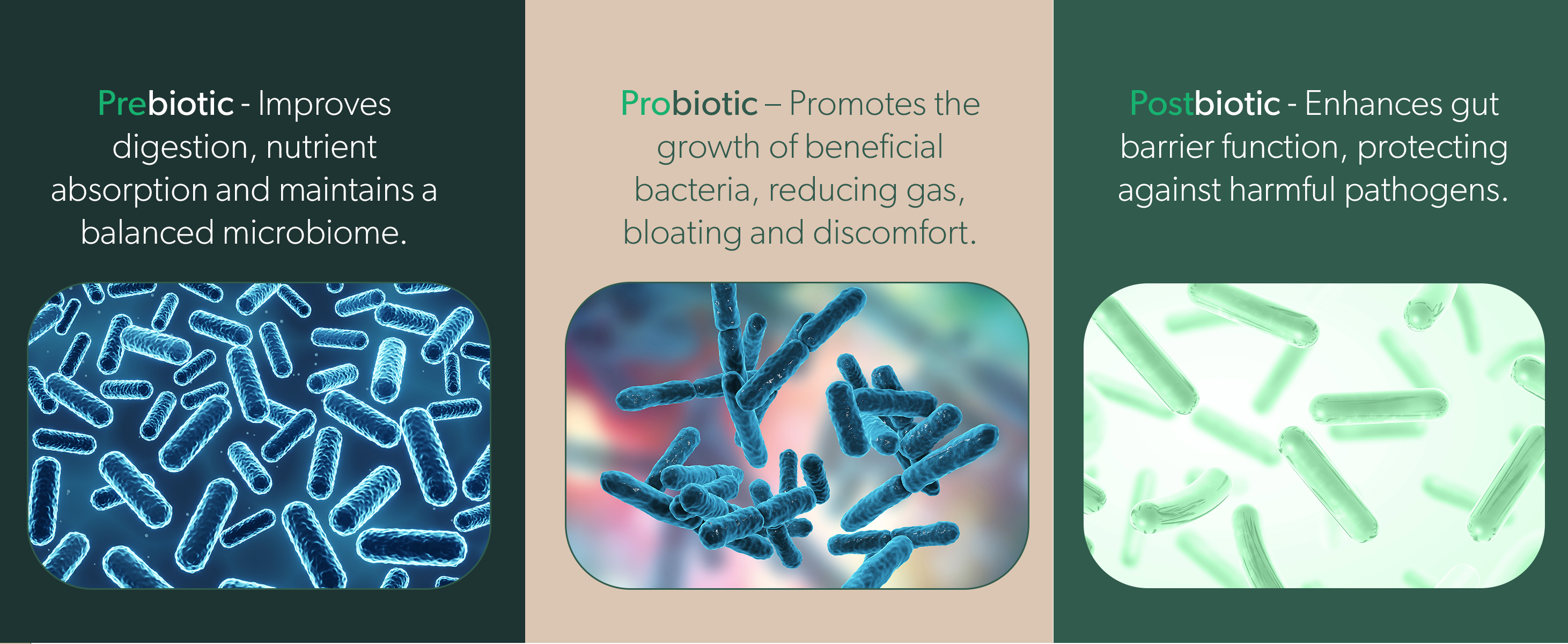
Probiotics are live microorganisms, primarily bacteria and sometimes yeast, that provide health benefits when consumed in adequate amounts. They are often referred to as “good” or “helpful” bacteria because they help keep the gut healthy.

Probiotics are found in fermented foods like yogurt, sauerkraut, and kimchi, as well as in dietary supplements. They work by balancing the gut microbiota—the community of microorganisms in the intestines.

ribbon
Bioma Probiotics - 75% Off + FREE Shipping

Bioma Probiotics - 75% Off + FREE Shipping

Instantly save up to 75% off with Bioma Checkout Code! Plus, FREE shipping!
BIO15DIY
SHOW COUPON
On Going Offer
  • It Works 100% Success It Doesn't
  • What are Prebiotics?

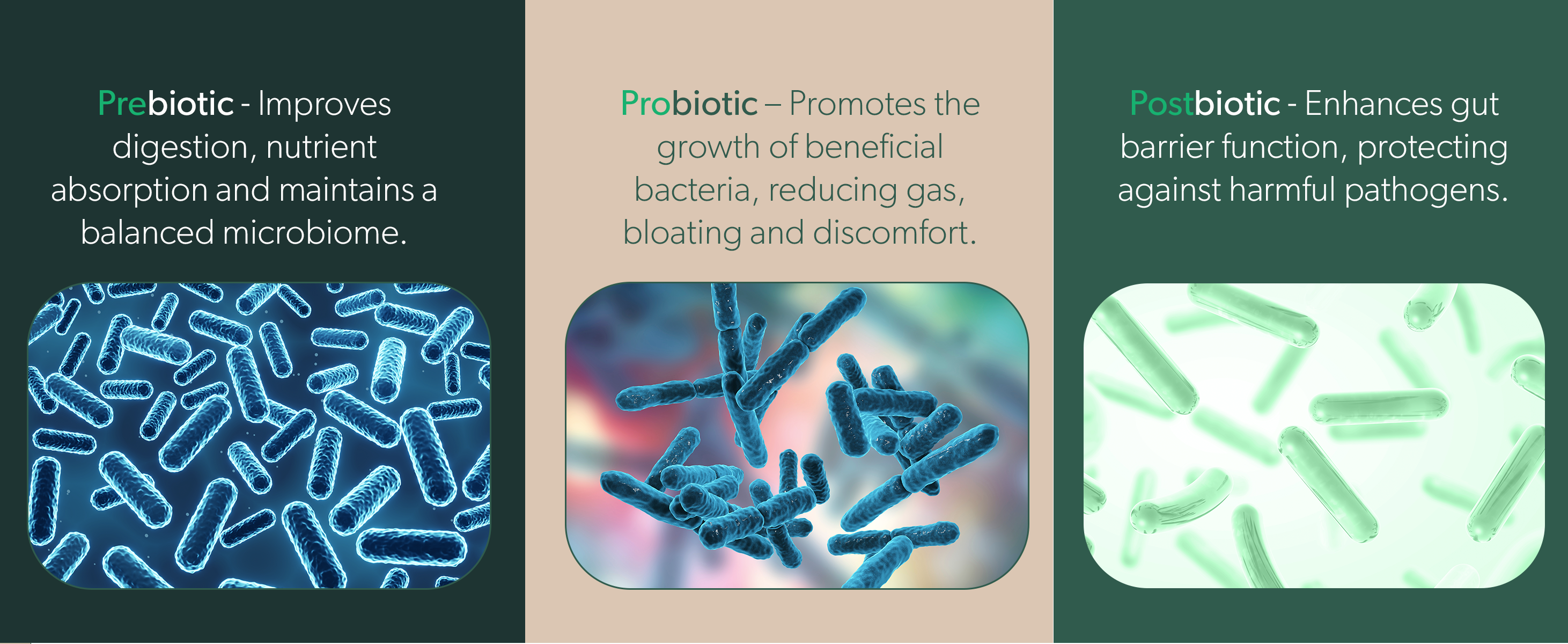
    Prebiotics are compounds in food that induce the growth or activity of beneficial microorganisms such as bacteria and fungi. They are primarily non-digestible fibers or carbohydrates that act as food for probiotics.

    Familiar sources of prebiotics include garlic, onions, leeks, asparagus, bananas, and whole grains. By feeding and fostering the growth of beneficial bacteria in the gut, prebiotics help improve digestion, enhance calcium absorption, and boost immune function.Your Guide to Understanding Probiotics, Prebiotics, and Synbiotics

    What are Synbiotics?

    Synbiotics are a combination of probiotics and prebiotics. They are specially formulated to ensure the survival and proliferation of beneficial bacteria in the gut. Synbiotics are designed to maximize the beneficial effects of both by combining the gut health-enhancing effects of probiotics with the fuel provided by prebiotics. They are becoming increasingly popular as a way to optimize gut microbiome health.

    What combination is best for daily use?

    For daily use, a combination of both probiotics and prebiotics (synbiotics) can be particularly effective in promoting gut health and overall well-being. This combination ensures the growth of beneficial bacteria and supports their survival and activity within the digestive system, maximizing health benefits.

    When used together as synbiotics, the prebiotics essentially paves the way for probiotics to flourish by creating an optimal environment for them to thrive. This leads to several enhanced health outcomes, including:

    • Improved Gut Health: Regular use of synbiotics can lead to better gut integrity, reduced symptoms of irritable bowel syndrome (IBS), and a lower incidence of diarrhea.
    • Enhanced Immune Function: A well-balanced microbiome supports the immune system. Synbiotics can help strengthen this aspect, potentially reducing the frequency of infections and immune-related disorders.
    • Better Nutrient Absorption: A healthy gut flora improves the breakdown and absorption of nutrients such as vitamins, minerals, and antioxidants, which are crucial for overall health.

    • Mood Regulation: Emerging research links gut health to mood and mental health via the gut-brain axis. Synbiotics may play a role in enhancing mood and possibly reducing symptoms of depression and anxiety.

    For daily use, look for synbiotic supplements that specify the strains and quantity of probiotics, as well as the type and amount of prebiotics. These products are formulated to ensure that the probiotics are effectively nourished by the prebiotics, leading to a more beneficial supplementation experience.

    By choosing a high-quality synbiotic, individuals can maximize the potential health benefits of both probiotics and prebiotics in a single, convenient form.

    Health benefits of probiotic supplements

    Probiotic supplements offer several health benefits, including improved digestion, enhanced immune function, and reduced inflammation. Studies have shown that probiotics can help treat and prevent gastrointestinal issues such as irritable bowel syndrome, diarrhea, and constipation.

    Additionally, probiotics may have beneficial effects on mental health, commonly referred to as the gut-brain axis.

    How to Choose High-Quality ProbioticsYour Guide to Understanding Probiotics, Prebiotics, and Synbiotics

    Selecting the right probiotic supplement is crucial for ensuring effectiveness and achieving your health goals. Here are straightforward, practical tips to help you choose a high-quality probiotic:

    1. Check the CFU Count: Look for probiotics with a colony-forming unit (CFU) count ranging from 1 billion to 100 billion. A higher CFU count often means more effective bacterial support, especially if you are trying to address specific gastrointestinal issues.
    2. Identify the Strains: Different strains of probiotics serve different purposes. For general digestive health, strains like Lactobacillus and Bifidobacterium are commonly beneficial. If you have specific health concerns, such as allergies or IBS, look for clinically proven strains to address those issues.
    3. Look for Viability: The probiotics should be viable through the end of shelf life, not just at the time of manufacture. Check the packaging for storage information—some probiotics need refrigeration, while others are shelf-stable thanks to freeze-drying technology.
    4. Prebiotic Inclusion: Some probiotics include prebiotics. These are non-digestible fibers that feed the beneficial bacteria. A product that combines both (a synbiotic) can be more effective at improving gut health.
    5. Packaging and Brand Reputation: Choose products from reputable brands that invest in proper packaging to protect probiotics from heat, moisture, and light. Look for brands that have third-party testing and transparency about their ingredients and sources.
    6. Allergen Information: Make sure the probiotic doesn’t contain ingredients you are allergic to. This is particularly important if you have allergies to dairy, soy, or gluten, as these are common in many probiotic supplements.

    By considering these criteria, you can select a high-quality probiotic that is effective, safe, and suited to your health needs. Remember, it’s always a good idea to consult with a healthcare provider before starting any new supplement, especially if you have underlying health conditions or are taking other medications.

    BiomaYour Guide to Understanding Probiotics, Prebiotics, and Synbiotics

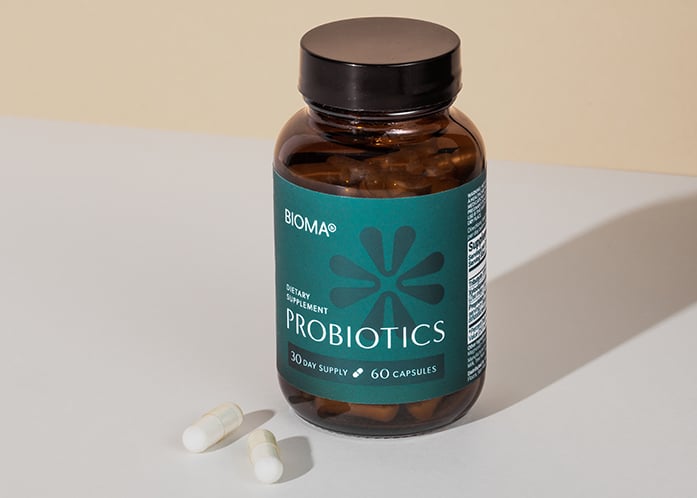
    Bioma is an innovative dietary supplement crafted to enhance gut health and overall wellness. It integrates cutting-edge scientific insights with ingredients beneficial to the gut, offering a holistic approach to sustaining a healthy gut microbiome.

    ribbon
    Bioma Probiotics - 75% Off + FREE Shipping

    Bioma Probiotics - 75% Off + FREE Shipping

    Instantly save up to 75% off with Bioma Checkout Code! Plus, FREE shipping!
    BIO15DIY
    SHOW COUPON
    On Going Offer
  • It Works 100% Success It Doesn't
  • Bioma features a distinctive mix of probiotics, prebiotics, and other advantageous elements specifically chosen to improve digestive health, immune function, and more:

    • Optimizing Gut Health: Bioma provides a holistic approach to gut health by merging probiotics with prebiotics. These elements work together to foster a balanced gut bacterial environment, enhancing digestion, nutrient uptake, and overall health.
    • Supporting Digestive Function: The specialized combination of probiotics and prebiotics in Bioma aids in maintaining a healthy digestive tract. By promoting the growth of beneficial gut bacteria and supplying necessary nutrients, Bioma ensures smooth digestion and consistent bowel movements.
    • Boosting Immune Function: A well-maintained gut microbiome is essential for a robust immune system. The synergistic action of Bioma’s probiotics and prebiotics helps bolster immune defenses, protecting against harmful pathogens and boosting overall health and vitality.
    • Balancing Gut Microbiota: Bioma’s carefully chosen probiotic strains, along with prebiotic fibers like Xylooligosaccharides (XOS), work to restore and maintain the balance of gut microbiota. This equilibrium is vital for optimal gut health and preventing digestive disturbances.
    • Promoting Overall Well-being: Regular use of Bioma can lead to enhanced gut health, which positively impacts overall well-being. From improved digestion and nutrient absorption to stronger immune function, Bioma supports a healthy, vibrant lifestyle.

    Adding Bioma to your daily regimen is an effective and straightforward way to focus on your gut health and experience the extensive benefits of a flourishing microbiome.

    When to take probiotic supplements?

    The best time to take probiotic supplements is either first thing in the morning or just before bedtime. Taking probiotics on an empty stomach ensures fewer stomach acids are present, allowing more probiotics to reach the intestines alive.

    What is lactobacillus

    Lactobacillus is a key type of probiotic commonly found in fermented foods like yogurt, sauerkraut, and kefir. It is one of the most beneficial bacteria in the group of lactic acid bacteria, known for its ability to convert sugars into lactic acid.

    ribbon
    Bioma Probiotics - 75% Off + FREE Shipping

    Bioma Probiotics - 75% Off + FREE Shipping

    Instantly save up to 75% off with Bioma Checkout Code! Plus, FREE shipping!
    BIO15DIY
    SHOW COUPON
    On Going Offer
  • It Works 100% Success It Doesn't
  • Key Characteristics and Benefits:

    • Acid and Bile Resistance: Lactobacillus is highly resilient and can survive the acidic environment of the stomach and the presence of bile in the small intestine. This resilience allows it to reach the gut, where it can colonize and exert its benefits effectively.
    • Lactose Digestion: For individuals with lactose intolerance, Lactobacillus can be particularly beneficial. It helps break down lactose, the sugar found in milk, thus alleviating the symptoms of lactose intolerance, such as bloating, gas, and diarrhea.
    • Digestive Health: Lactobacillus plays a crucial role in maintaining gut health. It helps balance the gut microbiota, preventing the growth of harmful bacteria and promoting a healthy digestive system. This balance is essential for proper digestion and can help prevent conditions like irritable bowel syndrome (IBS) and inflammatory bowel disease (IBD).
    • Immune Function: Lactobacillus also supports the immune system by maintaining a balanced gut microbiota. A healthy gut barrier protected by good bacteria like Lactobacillus prevents pathogens from entering the bloodstream and causing infection.

    Probiotic supplements for gut healthYour Guide to Understanding Probiotics, Prebiotics, and Synbiotics

    Probiotic supplements are essential tools for enhancing gut health. They introduce beneficial bacteria into the digestive system, which helps restore and maintain the natural balance of gut flora. This balance is crucial for several aspects of health.

    Key Benefits of Probiotic Supplements for Gut Health:

    • Restoration of Gut Flora: Daily stressors, poor diet, antibiotics, and other factors can disrupt the natural balance of bacteria in the gut. Probiotic supplements replenish these beneficial bacteria, restoring gut flora to a healthy state.
    • Improved Nutrient Absorption: A balanced gut microbiome enhances the body’s ability to absorb nutrients from food. Probiotics can increase the efficiency of nutrient uptake, ensuring that the body gets the vitamins and minerals it needs from the diet.
    • Enhanced Immune Function: A significant portion of the immune system is located in the gut. By maintaining a healthy gut microbiome, probiotics play a pivotal role in modulating and supporting the immune system, helping to protect against pathogens.
    • Reduced Risk of Infections: With a stronger immune system and a balanced gut environment, the body is better equipped to fend off infections. Probiotics have been shown to reduce the frequency and severity of respiratory and gastrointestinal infections.

    Incorporating probiotic supplements into your daily routine can thus be a valuable strategy for maintaining optimal gut health, enhancing overall well-being, and reducing the risk of various health issues linked to the digestive system. Whether you are looking to improve digestion, boost immune health, or simply maintain a healthy gut, probiotic supplements offer a practical and effective solution.

    How long does it take for probiotics to work

    The effects of probiotics on the gut microbiome can vary, but generally, short-term improvements such as reduced bloating and enhanced digestion can be noticed within a few days. It may take several weeks of consistent use for long-term benefits like immune support and reduced inflammation.

    Probiotics and antibiotics

    While antibiotics are great at fighting off harmful bacteria that cause infections, they can also wipe out the good bacteria that your gut needs to function correctly. This can throw off the balance of your gut microbiome, potentially leading to issues like diarrhea, upset stomach, or even yeast infections.

    ribbon
    Bioma Probiotics - 75% Off + FREE Shipping

    Bioma Probiotics - 75% Off + FREE Shipping

    Instantly save up to 75% off with Bioma Checkout Code! Plus, FREE shipping!
    BIO15DIY
    SHOW COUPON
    On Going Offer
  • It Works 100% Success It Doesn't
  • Here’s how adding probiotics can help when you’re taking antibiotics:

    • Restoring Balance: Taking probiotics during and after your antibiotic course helps replenish the good bacteria in your gut. This can help keep your digestive system running smoothly and reduce the chances of unwanted side effects from antibiotics.
    • Timing is Key: To get the most out of probiotics without wasting their benefits, it’s best to take them a few hours before or after your antibiotic. This spacing out helps ensure that the antibiotics don’t kill the beneficial probiotics before they can do their job.
    • Maintaining Gut Health: Adding probiotics can support your gut during this vulnerable time, aiding digestion, supporting your immune system, and helping to keep everything in balance.

    Introducing probiotics alongside your antibiotic treatment is a smart move to counteract the potential downsides of antibiotics. It’s like giving your gut a helping hand to stay healthy and active even when dealing with an infection. Always check with your healthcare provider for recommendations on the best probiotic types and timing to suit your specific needs.

    Final thoughts

    Adding probiotics, prebiotics, and synbiotics to your daily regimen can profoundly impact your digestive health and overall well-being. Making informed choices about the right supplements, knowing the best times to take them, and understanding how they interact with other medications, such as antibiotics, are crucial to maximizing their benefits.

    With a thoughtful approach, these beneficial microbes can significantly enhance your health, supporting everything from gut function to immune defense.

    Grab the Largest Bioma Coupon Online Here:

    ribbon
    Bioma Probiotics - 75% Off + FREE Shipping

    Bioma Probiotics - 75% Off + FREE Shipping

    Instantly save up to 75% off with Bioma Checkout Code! Plus, FREE shipping!
    BIO15DIY
    SHOW COUPON
    On Going Offer
  • It Works 100% Success It Doesn't
  • How to Build Your Fitness Business From Scratch

    How to Start Online Fitness Coaching

    So, you’ve got the fire in your belly to start your very own fitness business from scratch? That’s awesome! Whether you’re into personal training, running a gym, or teaching yoga, this journey is all about sweat, determination, and a whole lot of heart.

    In this guide, we’re diving headfirst into the world of fitness entrepreneurship, showing you step-by-step how to turn your passion into a thriving business.

    From finding your niche to nailing down your marketing game, we’ve got your back. So, lace up those sneakers, and let’s get started on the exciting road of “How to Build Your Fitness Business from Scratch”!

    Certification

    How to Build Your Fitness Business from Scratch

    Before starting a career in fitness, getting certified is very important, and ISSA is considered the best place to get certified. With ISSA certification, you can learn online at your own speed, all from home.

    The certificate is recognized nationally and helps you learn the tools and methods to shape your clients’ bodies. This education will make you an expert in bodybuilding.

    You’ll learn about muscles in detail and how to make workout plans. You’ll also study things like muscle growth, reasons for overtraining and injuries, eating right, using supplements, risks of certain performance enhancers, sports psychology tips, and more.

    If you’re interested in trying ISSA, click here to get started right away! And for more information, you can check out our review Article on ISSA.

    Checkout Code for an additional $100 OFF:

    ribbon
    ISSA Certifications - 75% Off

    ISSA Certifications - 75% Off

    Save 75% and take ANOTHER $100 OFF. Start for ONLY $49.
    ELITE100
    SHOW COUPON
    On Going Offer
  • It Works 100% Success It Doesn't
  • Identify Your Niche

    One of the first steps in building a successful fitness business is identifying your niche. What sets you apart from other fitness offerings? Perhaps you specialize in high-intensity interval training (HIIT), yoga for athletes, outdoor boot camps, or personalized nutrition plans.

    Understanding your unique selling point will not only attract your target audience but also help you stand out in a crowded market.

    Create a Business Plan

    How to Build Your Fitness Business from Scratch

    A solid business plan serves as your roadmap to success. It should outline your mission, target market, pricing strategy, marketing plan, and financial projections. This document will guide your decisions and provide clarity on the steps needed to achieve your business goals.

    Consider including a SWOT (Strengths, Weaknesses, Opportunities, Threats) analysis to assess your competitive landscape.

    Develop Your Brand Identity

    Your brand identity goes beyond just a logo and colors—it embodies the personality and values of your fitness business. Think about the atmosphere you want to create for your clients.

    Are you a no-nonsense, results-driven trainer, or do you offer a more holistic, mindful approach to fitness? Your brand should resonate with your target audience and be consistent across all touchpoints, from your website to your social media presence.

    Build a Strong Online Presence

    How to Build Your Fitness Business from Scratch

    In today’s digital age, a strong online presence is crucial for any business, especially in the fitness industry. Create a professional website that showcases your services, client testimonials, and contact information.

    Utilize social media platforms such as Instagram, Facebook, and YouTube to share workout tips, success stories, and behind-the-scenes glimpses into your business. Engaging content will not only attract followers but also convert them into paying clients.

    Network and Collaborate

    Networking within the fitness community can open doors to valuable opportunities. Attend industry events, workshops, and conferences to connect with other professionals and potential clients.

    Consider collaborating with complementary businesses, such as nutritionists, physical therapists, or athletic apparel brands. Cross-promotion can expand your reach and introduce your business to new audiences.

    Offer Exceptional Customer Service

    In the competitive fitness landscape, exceptional customer service can set you apart. Create a welcoming and supportive environment for your clients, whether they’re beginners or seasoned athletes.

    Listen to their feedback, personalize their experience, and go the extra mile to help them achieve their fitness goals. Happy clients are not only loyal repeat customers but also enthusiastic brand ambassadors.

    Wanna know more about how to get clients for a personal trainer, you can read our article “How to Get Personal Training Clients?”.

    Invest in Continuous Learning

    How to Build Your Fitness Business from Scratch

    The fitness industry is ever-evolving, with new trends, techniques, and research emerging regularly. Stay ahead of the curve by investing in continuous learning and professional development.

    Attend workshops, certifications, and seminars to expand your knowledge and skills. Not only will this benefit your clients, but it will also position you as an authority in your field.

    Secure the Right Location (if applicable)

    If your fitness business involves a physical location, such as a gym or studio, choosing the right location is crucial. Consider factors such as foot traffic, accessibility, parking, and competition in the area. A convenient and inviting location can attract more clients and contribute to the overall success of your business.

    Market Strategically

    How to Build Your Fitness Business from Scratch

    A strategic marketing plan is essential to attract clients and grow your fitness business. Utilize a mix of online and offline marketing tactics, such as social media advertising, email campaigns, local partnerships, and community events.

    Consider offering introductory promotions or referral incentives to encourage word-of-mouth marketing. Track the effectiveness of your marketing efforts and adjust your strategies based on data and feedback.

    Stay Resilient and Flexible

    Building a fitness business from scratch is a rewarding but challenging endeavor. Stay resilient in the face of setbacks, whether it’s slow growth, unexpected expenses, or changing market trends.

    Be willing to adapt and evolve your business model as needed, always keeping the needs and preferences of your clients at the forefront. With dedication, passion, and a clear vision, your fitness business can thrive and make a positive impact on the lives of others.

    Final Words

    In the journey of starting your fitness business, remember this: passion fuels progress. Keep your vision clear, adapt to changes, and always put your clients first. Building relationships and offering value will be your biggest assets.

    Stay committed to learning, growing, and evolving your services. With dedication and a customer-centered approach, your fitness business will soar to new heights. Cheers to your success!

    FAQs on How to Build Your Fitness Business

    How do I start my own fitness business?

    Starting your own fitness business begins with a solid plan. Identify your niche, whether it’s personal training, group classes, or specialized programs. Next, find a suitable location or consider online options. Get certified, create a brand, and market yourself to attract clients. Remember, consistency and passion are key to success.

    How do I grow my fitness business?

    Growing your fitness business involves expanding your services and client base. Offer new classes or workshops, collaborate with other professionals, and engage with your community.

    Utilize social media to showcase results and client testimonials. Don’t forget to invest in your own education and stay updated with industry trends for continued growth.

    How profitable is fitness business?

    The profitability of a fitness business varies based on factors like location, services offered, and overhead costs. Generally, successful fitness businesses can be quite profitable, with many earning six-figure incomes.

    It’s essential to manage expenses, retain clients, and diversify revenue streams through merchandise, online programs, or partnerships. Always keep an eye on the market and adapt your business model accordingly.

    How to Reduce Inflammation in the Body

    How to Reduce Inflammation in the Body

    What is Inflammation?

    Inflammation is a fundamental biological response, akin to a fire alarm that goes off within your body to signal potential danger. When threats such as infections or injuries arise, the immune system is activated, prompting blood vessels to release plasma and white blood cells into the affected areas. This process is crucial for initiating healing and combating pathogens.

    Understanding Causes, Effects, and How to Reduce Inflammation

    However, inflammation is a double-edged sword. While acute inflammation is beneficial and necessary for recovery, chronic inflammation can persist unnoticed and contribute to a host of health issues, including arthritis, heart disease, and more.

    Understanding the nature of inflammation—its causes, effects, and ways to manage it—is essential for maintaining overall health and preventing long-term complications.

    Types and Symptoms of Inflammation

    Inflammation serves as your body’s built-in defense system, responding to various forms of distress or damage. It can be broadly classified into two types: acute and chronic, each presenting distinct characteristics and implications for health.

    Acute Inflammation

    Acute inflammation is the immediate, localized response of your body to an injury or infection. This is what happens when you cut your finger, sprain an ankle, or catch a cold.

    The body’s immune system sends an army of white blood cells to the affected area to protect it and start the healing process. The classic signs of acute inflammation include:

    • Redness: Caused by the dilation of small blood vessels in the area, which increases blood flow to facilitate healing.
    • Heat: This warming sensation is a direct result of the increased blood flow.
    • Swelling: Fluid accumulates as part of the body’s protective measures, cushioning the affected tissues.
    • Pain: Nerve stimulation and chemical release from the site of injury produce pain, often serving as a warning signal that something is wrong.

    Typically, acute inflammation resolves quickly, with symptoms disappearing as healing progresses. This type of inflammation is a vital part of the immune system’s toolbox, protecting against infections and facilitating recovery.

    ribbon
    Bioma Probiotics - 75% Off + FREE Shipping

    Bioma Probiotics - 75% Off + FREE Shipping

    Instantly save up to 75% off with Bioma Checkout Code! Plus, FREE shipping!
    BIO15DIY
    SHOW COUPON
    On Going Offer
  • It Works 100% Success It Doesn't
  • Chronic Inflammation

    Chronic inflammation, however, is more insidious and potentially harmful over time. Unlike acute inflammation, which resolves after its protective duty is done, chronic inflammation can linger for months or even years, often without obvious symptoms.

    This prolonged state of alert can eventually cause wear and tear on the body, contributing to the development of various diseases. Chronic inflammation is often associated with:

    • Autoimmune disorders, where the immune system mistakenly attacks healthy tissues, mistaking them for pathogens or damaged cells.
    • Chronic infections, such as tuberculosis, where the pathogen is difficult for the body to completely eradicate.
    • Long-term exposure to irritants, such as industrial chemicals or polluted air.

    Furthermore, chronic inflammation is linked to a number of serious health conditions, including:

    • Heart disease: Inflammation contributes to the buildup of plaque in the arteries, which can lead to heart attacks and strokes.
    • Diabetes: Chronic inflammation affects the body’s ability to process sugar, with insulin resistance becoming more pronounced.
    • Chronic pain: Conditions like arthritis are characterized by ongoing inflammation in the joints, leading to pain and stiffness.

    Detecting chronic inflammation typically involves blood tests for markers such as C-reactive protein (CRP), which is produced by the liver in response to inflammation. High levels of CRP are frequently indicative of an inflammatory process somewhere in the body.

    Due to its covert nature, managing chronic inflammation requires a comprehensive approach, including lifestyle changes, diet, and sometimes medication.

    Understanding these two types of inflammation is crucial for recognizing and addressing the symptoms early, allowing for interventions that can prevent the transition from a normal, healthy inflammatory response to a chronic, disease-promoting state.

    How to Reduce Inflammation in the BodyHow to Reduce Inflammation in the Body

    Controlling inflammation involves a holistic approach. Incorporating regular physical activity into your routine boosts your immune system and helps regulate inflammatory responses.

    Adequate sleep and stress reduction are equally crucial, as both significantly impact how your body handles inflammation. Furthermore, a diet focused on anti-inflammatory principles can play a pivotal role in controlling excessive inflammatory reactions.

    Inflammatory Foods

    Certain foods have been identified as triggers for inflammation, potentially worsening symptoms and exacerbating conditions linked to chronic inflammation. Key contributors include:

    • Processed Foods: These often contain high levels of unhealthy fats and sugars which can increase inflammation markers in the body.
    • Sugary Treats: Excessive intake of sugar can trigger inflammatory responses, particularly in those susceptible to insulin resistance and metabolic syndrome.
    • Trans Fats: Found in some margarines, fast foods, and commercially baked products, trans fats are notorious for their inflammatory effects.
    • Excessive Alcohol: High alcohol consumption can disrupt the balance in the gut microbiome and impair organ functions, leading to inflammatory responses.

    Reducing or avoiding these types of foods is crucial for managing inflammation effectively. Simple changes, like reading labels to avoid sugars and trans fats or decreasing alcohol consumption, can have profound health benefits.

    ribbon
    Bioma Probiotics - 75% Off + FREE Shipping

    Bioma Probiotics - 75% Off + FREE Shipping

    Instantly save up to 75% off with Bioma Checkout Code! Plus, FREE shipping!
    BIO15DIY
    SHOW COUPON
    On Going Offer
  • It Works 100% Success It Doesn't
  • Anti-inflammatory Foods

    In contrast, anti-inflammatory foods play a significant role in reducing inflammation and supporting overall health. Incorporating these foods into your diet can help mitigate the inflammatory process:

    • Omega-3 Fatty Acids: Found in fatty fish (such as salmon and mackerel), flaxseeds, and walnuts, omega-3s are powerful anti-inflammatory agents.
    • Antioxidants: Berries, dark chocolate, and artichokes are rich in antioxidants, which help neutralize harmful free radicals that can trigger inflammation.
    • Phytonutrients: Leafy greens like spinach and kale, as well as brightly colored vegetables such as bell peppers and tomatoes, contain phytonutrients that reduce inflammation.

    Regularly incorporating these foods into your meals can diminish inflammatory responses and promote a healthier body.

    Gut-Healthy Foods

    Maintaining a healthy and balanced gut microbiome is essential for overall well-being, influencing everything from immune function to mood regulation. To support gut health, consider these types of foods:

    • High-Fiber Foods: Foods like legumes, whole grains, and a broad array of fruits and vegetables are rich in fiber, which supports digestive health and nourishes the gut microbiome.
    • Fermented Foods: Including kefir, kombucha, yogurt, and miso in your diet can introduce beneficial bacteria into your gut, enhancing the diversity and health of your microbiome.
    • Prebiotic-Rich Foods: Garlic, onions, bananas, and asparagus are good sources of prebiotics, which fuel the beneficial bacteria in the gut.

    A diet rich in these components not only supports gut health but also helps modulate the immune system and reduce inflammation across the body.

    ribbon
    Bioma Probiotics - 75% Off + FREE Shipping

    Bioma Probiotics - 75% Off + FREE Shipping

    Instantly save up to 75% off with Bioma Checkout Code! Plus, FREE shipping!
    BIO15DIY
    SHOW COUPON
    On Going Offer
  • It Works 100% Success It Doesn't
  • What is the Microbiome?

    The human microbiome is a teeming universe of microorganisms—bacteria, viruses, fungi, and other life forms—living primarily in your gut, but also across your skin, in your mouth, and other areas of your body.

    This complex ecosystem plays a critical role in your health, much like a bustling city where each inhabitant has a specific job to do. The gut microbiome, in particular, is deeply involved in essential bodily functions, such as:

    • Nutrient absorption: These microorganisms help break down foods that the stomach and small intestine have trouble digesting, enabling the absorption of nutrients that would otherwise go unused.
    • Immune function: The gut microbiome educates the immune system on what to attack and what to leave alone, thus preventing autoimmune reactions.
    • Neurotransmitter production: Surprisingly, the gut is also a significant source of neurotransmitters like serotonin, which affects mood, appetite, and sleep. This connection between the gut and the brain is often referred to as the “gut-brain axis.”

    A balanced and diverse microbiome is crucial for maintaining optimal health. Disruptions to this balance, known as dysbiosis, can lead to a range of health issues, including digestive disorders, immune system dysfunctions, and even mental health conditions.

    Thus, nurturing a healthy microbiome is fundamental to controlling inflammation and supporting the body’s overall harmony and well-being.

    ribbon
    Bioma Probiotics - 75% Off + FREE Shipping

    Bioma Probiotics - 75% Off + FREE Shipping

    Instantly save up to 75% off with Bioma Checkout Code! Plus, FREE shipping!
    BIO15DIY
    SHOW COUPON
    On Going Offer
  • It Works 100% Success It Doesn't
  • Synbiotics for Gut Bacteria

    Synbiotics represent a cutting-edge approach to nourishing and balancing the gut microbiome. These innovative supplements combine probiotics—the beneficial bacteria that colonize the gut, contributing to its health and stability—with prebiotics, which are specialized plant fibers that act as food for these bacteria.

    This combination ensures that the probiotics have the necessary nutrients to thrive and exert their beneficial effects.

    Synbiotics are particularly effective in enhancing gut health for several reasons:

    • They support the growth of beneficial gut bacteria, which can outcompete harmful bacteria and maintain a healthy gut environment.
    • By doing so, they strengthen the gut barrier, reducing the risk of unwanted substances leaking into the body and triggering inflammation.
    • They modulate the immune system, helping it to respond more accurately to threats, which reduces the risk of chronic inflammation and associated diseases.

    By choosing a synbiotic that meets these criteria, you can significantly enhance your gut health, which in turn can help manage inflammation, support immune function, and promote overall health and wellness.

    How to Choose Quality Synbiotics

    Selecting high-quality synbiotics is paramount to ensure that you reap the maximum benefits from these supplements. Here are some tips for choosing the right synbiotic products:

    • Strain diversity: Look for products that contain a variety of probiotic strains. Different strains offer different health benefits, and a diverse microbiome is a healthy microbiome.
    • Viability: Ensure the product contains live probiotics. The labeling should indicate that the bacteria are alive and will remain so until at least the expiration date.
    • Prebiotic content: Check that the synbiotic includes prebiotics to feed the probiotics. The best synbiotics contain a balance of both to ensure the probiotics can survive and flourish in your gut.
    • Survivability: The probiotics should be able to survive the journey through the stomach’s acidic environment to reach the gut. Some products are designed to be acid-resistant or are encapsulated in a way that protects the bacteria until they reach their destination.
    • Clinical backing: Opt for products backed by scientific research and clinical trials to ensure their efficacy and safety.

    By choosing a synbiotic that meets these criteria, you can significantly enhance your gut health, which in turn can help manage inflammation, support immune function, and promote overall health and wellness.

    Bioma SynbioticsHow to Reduce Inflammation in the Body

    Bioma stands out in the crowded field of gut health supplements due to its meticulously crafted formulation. They are designed to support and enhance the complex ecosystem of the gut microbiome, which plays a pivotal role in overall health and well-being. Understanding how Bioma works can help you appreciate the benefits it brings to gut health.

    ribbon
    Bioma Probiotics - 75% Off + FREE Shipping

    Bioma Probiotics - 75% Off + FREE Shipping

    Instantly save up to 75% off with Bioma Checkout Code! Plus, FREE shipping!
    BIO15DIY
    SHOW COUPON
    On Going Offer
  • It Works 100% Success It Doesn't
  • How Bioma Works

    Bioma’s effectiveness is rooted in its approach to nurturing and balancing the gut microbiome. Here’s how it contributes to your health:

    • Promoting Gut Health: Bioma introduces beneficial probiotic bacteria into the gut and provides the prebiotic fibers that these bacteria need to thrive. This dual action is essential, especially when the balance of gut microbiota has been compromised by factors such as stress, poor diet, or the use of antibiotics. Restoring this balance is key to maintaining a healthy gut environment.
    • Supporting Digestive Function: With its carefully selected probiotic strains and prebiotic fibers, Bioma improves the microbial balance in the gut. This enhancement can alleviate common digestive discomforts such as bloating, gas, and irregular bowel movements, making the digestive system more efficient and less prone to disturbances.
    • Enhancing Nutrient Absorption: A well-balanced gut microbiome enhances the body’s ability to absorb nutrients from food. By improving gut health, Bioma ensures that your body can extract and utilize vitamins, minerals, and other nutrients more effectively, which contributes to better health and vitality.
    • Boosting Immunity: The majority of the body’s immune system resides in the gut, making a healthy gut microbiome critical for a robust immune response. Bioma supports immune function by maintaining a healthy gut, thereby creating a natural defense against pathogens and reducing the likelihood of infections and illness.
    ribbon
    Bioma Probiotics - 75% Off + FREE Shipping

    Bioma Probiotics - 75% Off + FREE Shipping

    Instantly save up to 75% off with Bioma Checkout Code! Plus, FREE shipping!
    BIO15DIY
    SHOW COUPON
    On Going Offer
  • It Works 100% Success It Doesn't
  • Wrap-Up

    Effectively managing inflammation is crucial for maintaining balance and promoting overall well-being in the body. By integrating a lifestyle that emphasizes healthy eating, regular physical activity, and effective stress management, you can significantly reduce the risks associated with chronic inflammation.

    Furthermore, incorporating strategic supplements like Bioma synbiotics can enhance this effect by supporting gut health, which is closely linked to the immune system and inflammatory responses. Embracing these habits not only helps safeguard your health but also enhances your vitality and contributes to a more vibrant life.

    Ultimately, a proactive approach to reduce inflammation can transform your health outlook, leading to a stronger, happier you. Remember, the journey to a healthier life is continuous and requires consistent dedication to positive lifestyle choices and mindful health practices.

    Grab the Biggest Bioma Coupon Code Here:

    ribbon
    Bioma Probiotics - 75% Off + FREE Shipping

    Bioma Probiotics - 75% Off + FREE Shipping

    Instantly save up to 75% off with Bioma Checkout Code! Plus, FREE shipping!
    BIO15DIY
    SHOW COUPON
    On Going Offer
  • It Works 100% Success It Doesn't
  • Online Vs In-Person Certification Courses: Pros & Cons

    Online Vs. In-Person Certification Courses: Pros & Cons
    Online Vs. In-Person Certification Courses: Pros & Cons

    So, you’re thinking about diving into the world of certification courses, right? Well, let’s talk about something important: the difference between doing them online vs in-person certification courses. It’s like choosing between learning from your couch in your comfiest PJs or heading out into the real world for a class.

    Both have their perks and quirks. Online courses give you flexibility, letting you learn at your own pace, while in-person ones offer face-to-face interaction and immediate feedback. Today, we’ll explore the pros and cons of Online Vs. In-Person Certification Courses. Let’s get started!

    Accessibility and Convenience

    Online Vs. In-Person Certification Courses: Pros & Cons

    Online certification courses immediately stand out for their unparalleled accessibility and convenience. Learners can participate from anywhere with an internet connection, breaking down geographical barriers. This flexibility allows individuals to manage their schedules effectively, fitting coursework around existing commitments such as jobs or family responsibilities.

    Commuting time and costs are eliminated, offering a significant advantage for those with busy lives. On the other hand, in-person courses provide a structured environment that some learners find beneficial.

    The physical presence of instructors and peers fosters real-time interactions, facilitating immediate feedback and collaborative learning experiences. For those who thrive on face-to-face communication and prefer structured routines, traditional classroom settings can offer a more conducive learning environment.

    Wanna know more about training certification, you can read our article “What Qualifications Do You Need to Be a Personal Trainer?

    Cost Considerations

    Finances often play a pivotal role in choosing between online and in-person certification courses. Online options tend to be more cost-effective, with lower tuition fees and the elimination of expenses related to commuting, parking, and sometimes even textbooks.

    Many online platforms offer payment plans or financial aid, making education more accessible to a broader demographic. Conversely, in-person courses may have higher tuition costs due to expenses associated with maintaining physical facilities and resources.

    Additional costs such as commuting, parking fees, and the need for specific materials or equipment can also contribute to a more significant financial investment. However, some argue that the value of networking opportunities and direct access to instructors justifies the higher price tag.

    Flexibility of Learning

    Online Vs. In-Person Certification Courses: Pros & Cons

    One of the most compelling advantages of online certification courses is the flexibility they offer. Learners can progress through the material at their own pace, accommodating diverse learning speeds and preferences. Whether it’s early mornings, late nights, or weekends, students have the freedom to choose when and how they engage with course content.

    This self-paced approach empowers individuals to take control of their learning journey, catering to varying lifestyles and work schedules. Conversely, in-person courses follow a more rigid schedule, with fixed class times and deadlines.

    While this structure can be beneficial for those who thrive in a regimented environment, it may pose challenges for individuals with demanding work schedules or family commitments. The inability to pause or rewind live lectures can also hinder some learners who benefit from revisiting complex concepts at their own pace.

    Engagement and Interaction

    Online courses have made significant strides in enhancing engagement and interaction through innovative technologies. Virtual classrooms, discussion forums, and multimedia resources create dynamic learning environments where students can collaborate, ask questions, and participate in group activities.

    This digital interaction fosters a sense of community among learners, despite physical distances. However, some individuals thrive on the immediacy and intimacy of in-person interactions. Classroom settings allow for spontaneous discussions, hands-on activities, and direct engagement with instructors.

    For subjects that require physical demonstrations or laboratory work, in-person courses provide an indispensable advantage. The camaraderie and peer support that develop in traditional classrooms can also contribute to a richer learning experience.

    Quality of Instruction

    Online Vs. In-Person Certification Courses: Pros & Cons

    The quality of instruction is a crucial factor to consider when weighing online versus in-person certification courses. Online platforms often boast a diverse pool of instructors from around the globe, offering expertise and perspectives that enrich the learning process.

    Video lectures, interactive simulations, and virtual labs enable educators to deliver content in innovative ways, catering to various learning styles. Conversely, in-person courses benefit from the immediate feedback and personalized attention that instructors can provide.

    Face-to-face interactions allow for nuanced discussions, clarification of complex topics, and on-the-spot demonstrations. For some learners, the ability to establish a rapport with instructors and receive mentorship throughout their course journey is invaluable.

    Technology Requirements and Skills

    Choosing an online certification course requires a degree of comfort with technology and self-directed learning. Basic computer literacy, reliable internet access, and proficiency in navigating online platforms are essential prerequisites.

    Additionally, individuals must possess the self-discipline to stay motivated and organized without the structure of traditional classrooms. In contrast, in-person courses have fewer technological barriers, making them accessible to individuals with varying levels of digital literacy.

    The focus is primarily on the subject matter, with less emphasis on navigating online tools or troubleshooting technical issues. This simplicity can be comforting for those who prefer a more straightforward learning experience without the complexities of online platforms.

    Career Advancement and Recognition

    Ultimately, the goal of pursuing a certification course is often career advancement and professional recognition. Both online and in-person courses can lead to valuable certifications and qualifications that enhance one’s resume and skill set.

    Employers increasingly recognize the value of online learning, especially considering the skills developed in virtual collaboration, time management, and self-motivation. However, the prestige associated with certain in-person institutions and the networking opportunities they provide can be significant assets.

    Some industries still place a premium on traditional education models, valuing the reputation of brick-and-mortar institutions. Individuals should consider the specific requirements and expectations of their desired career path when choosing between online and in-person certification courses.

    Certification

    Online Vs. In-Person Certification Courses: Pros & Cons

    Before embarking on a career in fitness, obtaining certification is essential, and ISSA is widely regarded as the premier certification platform in the field. ISSA certification allows you to study at your own pace, 100% online. You can even take the exam from the comfort of your own home.

    The certificate is nationally accredited and allows you to master the tools and methods that will help you shape and define your clients’ bodies. With this continued education, you’ll be a certified authority in everything bodybuilding.

    You’ll learn in-depth principles of muscles and how to apply this knowledge to program design. You’ll study muscle hypertrophy, causes of overtraining and injury, nutrition and supplementation, health risks of ergogenic aids, sports psychology strategies, and more.

    If you’re interested in trying ISSA, click here to get started right away! And for more information, you can check out our review Article on ISSA.

    Checkout Code for an additional $100 OFF:

    ribbon
    ISSA Certifications - 75% Off

    ISSA Certifications - 75% Off

    Save 75% and take ANOTHER $100 OFF. Start for ONLY $49.
    ELITE100
    SHOW COUPON
    On Going Offer
  • It Works 100% Success It Doesn't
  • Wrap-Up

    In wrapping up, both online and in-person certification courses have their perks. Online courses offer flexibility and cost-effectiveness, while in-person ones provide hands-on experience and immediate interaction.

    Your choice depends on what suits your learning style and schedule best. So, whether you opt for virtual classes in your pajamas or in-person sessions with a commute, the path to certification is yours to decide!

    FAQs on Online Vs In-Person Certification Courses

    What are the disadvantages of in-person training?

    One downside of in-person training is the travel. It can take a lot of time and money to get to the training location. Another is the fixed schedule, which might not fit everyone. Also, in-person training can lack flexibility for those with busy lives.

    What is the difference between face-to-face training and virtual training?

    The main difference is, well, the face-to-face interaction. In-person training lets you directly engage with instructors and peers. Virtual training, on the other hand, relies on technology for communication. It can be more convenient but may lack the personal touch.

    Why is face-to-face training better than online?

    Face-to-face training offers immediate feedback. You can ask questions right then and there, clarifying things instantly. The in-person environment also promotes networking with others. Plus, it can be easier to stay focused without distractions from home.

    Fasting and Gut Bacteria: Things You Need to Know

    Fasting and Gut Bacteria

    Intermittent Fasting: Impact on Gut Health and Overall Wellness

    Intermittent fasting is more than just a weight loss strategy; it’s a lifestyle choice that can significantly impact your overall health, particularly the health of your gut microbiome. This pattern of eating involves alternating periods of fasting and eating, which not only helps manage body weight but also plays a crucial role in influencing the composition and function of the gut bacteria.

    The Key to Gut Health and Dietary Success

    As we begin to understand more about the profound connection between our diet, fasting, and gut health, it becomes clear that the timing of our meals can be just as crucial as what we eat.

    What is the Microbiome?

    The human microbiome comprises a vast and complex community of bacteria, viruses, fungi, and other microorganisms residing both on and within your body, with a significant concentration in the gut.

    This intricate ecosystem is crucial to several aspects of health, influencing digestion, immune function, mood, and mental health. The gut microbiome is particularly vital, playing a pivotal role in processing nutrients from our food, safeguarding against harmful pathogens, and helping regulate the body’s immune responses.

    Understanding the microbiome’s functions highlights its importance in maintaining overall health and underscores the need to nurture our internal microbial communities.

    ribbon
    Bioma Probiotics - 75% Off + FREE Shipping

    Bioma Probiotics - 75% Off + FREE Shipping

    Instantly save up to 75% off with Bioma Checkout Code! Plus, FREE shipping!
    BIO15DIY
    SHOW COUPON
    On Going Offer
  • It Works 100% Success It Doesn't
  • How Does Diet Affect the Gut Microbiome?

    Diet is one of the most significant influences on the composition and health of the gut microbiome. The foods you consume can rapidly alter which bacteria thrive in the gut. Diets rich in fibers from fruits, vegetables, and whole grains encourage the growth of beneficial bacteria that support digestion and overall health.

    These good bacteria can break down fiber into short-chain fatty acids that nourish gut cells, reduce inflammation, and help regulate the immune system. In contrast, diets high in processed foods and sugars can increase the abundance of harmful bacteria associated with various diseases, including obesity and inflammatory bowel disease.

    Maintaining a diverse diet is crucial for fostering a robust microbiome, which can enhance resistance to infections and chronic diseases.

    Intermittent Fasting Effect on the Gut MicrobiomeFasting and Gut Bacteria: Things You Need to Know

    Intermittent fasting, characterized by alternating cycles of eating and fasting, has profound impacts on the gut microbiome. This dietary practice modifies the gut environment, significantly promoting the diversity and balance of bacterial species. Such microbial diversity is crucial as it enhances the body’s metabolic processes and improves the regulation of gut bacteria, leading to a more efficient digestive system.

    Research has shown that intermittent fasting can stimulate the growth of beneficial bacteria that are essential for good metabolic health. These beneficial bacteria can improve the body’s ability to process sugars and fats, making metabolism more efficient and reducing the risk of metabolic diseases like obesity and diabetes.

    Additionally, intermittent fasting suppresses the growth of potentially harmful bacteria that contribute to systemic inflammation. Reducing these inflammation-inducing bacteria can lower the levels of chronic inflammation in the body, which is associated with a range of health issues, including autoimmune diseases and heart conditions.

    The beneficial effects of intermittent fasting on the gut microbiome continue beyond metabolic and inflammatory responses. This alteration in the microbial landscape can also enhance the overall immune system, contribute to better heart health, and potentially increase longevity. The changes brought about by intermittent fasting can also help protect against various chronic diseases, promoting improved digestive health and general health and well-being.

    It’s important to understand that the influence of intermittent fasting on the gut microbiome offers significant health advantages, making it a compelling component of a health-conscious lifestyle.

    Balance of Gut Bacteria

    Maintaining a balanced population of gut bacteria is essential for overall health. When harmful microbes outnumber beneficial ones, it can lead to a variety of health problems, including irritable bowel syndrome (IBS), obesity, type 2 diabetes, and even mental health issues.

    To support beneficial gut bacteria, it’s crucial to eat a diet rich in fiber and low in processed foods. Fiber acts as a prebiotic, fueling the growth of good bacteria and helping to sustain a healthy gut environment. Including fermented foods like yogurt and sauerkraut in your diet also promotes the abundance of these beneficial microbes.

    Beyond diet, lifestyle factors play a significant role in the balance of gut bacteria. Managing stress effectively and ensuring adequate sleep are key components that influence the well-being of your gut microbiome. Combined with a nutritious diet, these elements help maintain a healthy balance of gut bacteria, which is vital for preventing disease and promoting overall health.

    Symptoms of Bad Bacteria in the Gut

    The presence of an excess of harmful bacteria in the gut can manifest in a variety of symptoms, significantly impacting both physical health and emotional well-being. Here are some common signs:

    • Digestive Discomfort: An imbalance in gut bacteria often leads to noticeable digestive issues. Symptoms such as bloating, gas, constipation, and diarrhea are frequent indicators that the microbial balance in the gut is off. These symptoms occur because harmful bacteria produce metabolic by-products that can irritate the intestinal lining and disrupt normal digestive processes.
    • Frequent Infections or Antibiotic Use: Bad bacteria in the gut can predispose individuals to more frequent gastrointestinal infections, which may require antibiotic treatment. While antibiotics effectively kill bacteria causing infections, they also indiscriminately kill beneficial gut bacteria, potentially worsening the microbial imbalance.
    • Chronic Fatigue: Persistent fatigue may arise from poor gut health. When harmful bacteria dominate, the efficiency of nutrient absorption can decrease, and the body may not receive the vital energy it needs from food. Furthermore, a disrupted microbiome can lead to systemic inflammation, further contributing to feelings of tiredness and lethargy.
    • Mood Disturbances: The gut is often called the “second brain” due to its extensive network of neurons. An imbalance in gut bacteria can affect the production of neurotransmitters like serotonin, predominantly produced in the gut. Low levels of serotonin are associated with mood disorders such as depression and anxiety.

    Recognizing these symptoms as potentially linked to the gut microbiome is crucial for addressing underlying issues. Simple diet changes, probiotics, and lifestyle adjustments can help restore balance and alleviate these symptoms.

    ribbon
    Bioma Probiotics - 75% Off + FREE Shipping

    Bioma Probiotics - 75% Off + FREE Shipping

    Instantly save up to 75% off with Bioma Checkout Code! Plus, FREE shipping!
    BIO15DIY
    SHOW COUPON
    On Going Offer
  • It Works 100% Success It Doesn't
  • Why Pre and Probiotics are ImportantFasting and Gut Bacteria: Things You Need to Know

    Prebiotics and probiotics are key to maintaining a healthy gut. Here’s how they each play a crucial role:

    Prebiotics are a type of dietary fiber that the body cannot digest. They act as food for probiotics, helping these good bacteria to grow and flourish in your digestive system. This supports a healthy balance in your gut’s ecosystem.

    Probiotics are live beneficial bacteria that are similar to those naturally found in your gut. You add more of these good bacteria to your digestive system when you consume probiotics. They help with digestion, boost your immune system, and maintain gut health by balancing the microbial environment in your intestines.

    Using prebiotics and probiotics together is beneficial because they work synergistically to promote healthy gut flora. This synergy is essential for:

    • Efficient Digestion: A well-balanced gut microbiome helps the body to break down food more effectively, absorb nutrients better, and eliminate waste more efficiently.
    • Immune System Support: A healthy gut protects against pathogens and can influence the body’s immune responses, reducing the risk of infections.
    • Disease Prevention: Maintaining a balanced gut flora can help prevent chronic diseases like obesity, diabetes, and heart disease by influencing various bodily functions, including metabolic and immune responses.

    Including prebiotic-rich foods (like onions, garlic, bananas, and asparagus) and probiotic-rich foods (such as yogurt, kefir, and sauerkraut) in your diet, or taking supplements that contain these can significantly improve your gut health and overall wellness. This approach enhances digestive health and contributes to a stronger immune system and a lower risk of many health issues.

    Synbiotics that Thrive Good Gut Bacteria

    Synbiotics represent an advanced category of dietary supplements specifically designed to support and enhance gut health. These innovative formulations combine prebiotics and probiotics – the former being dietary fibers that nourish beneficial bacteria and the latter being live beneficial bacteria. By integrating both components, synbiotics ensure that the probiotics not only survive the harsh conditions of the gastrointestinal tract but also thrive once they reach the gut.

    The symbiotic relationship between prebiotics and probiotics in these supplements is key to their effectiveness. Prebiotics serve as food for probiotics, promoting the growth and activity of these beneficial microbes once they colonize the gut.

    The presence of prebiotics ensures that the probiotics have the necessary resources to establish a strong, healthy presence in the gut microbiome.

    Furthermore, the use of synbiotics is particularly beneficial because it addresses the common issue where probiotics alone might not survive the stomach’s acidic environment or may not be able to sustain themselves without adequate dietary fiber. Synbiotics provide a comprehensive solution by delivering the microorganisms and the specific nutrients they need to flourish.

    When fasting is combined with synbiotic supplementation, the benefits to the gut microbiome can be amplified. Synbiotics provide the crucial probiotics and prebiotics needed to support and enhance the health of the gut flora. The probiotics introduce beneficial bacteria directly into the gut, while the prebiotics provide the necessary nutrients to feed these bacteria, ensuring they thrive.

    This combination is particularly potent during and after fasting periods when the gut environment may be more receptive to positive changes in microbial balance.

    Bioma Synbiotics

    Bioma probiotic supplements are a top choice for improving gut health and aiding weight loss. As an editor’s choice product, Bioma blends probiotics, prebiotics, and postbiotics into a single formula, making it a powerful solution for digestive wellness. This combination is especially effective alongside intermittent fasting, a dietary approach that enhances gut microbiome diversity and overall health.
    The unique mix of ingredients in Bioma includes various probiotic strains, prebiotic fibers, and postbiotic metabolites, providing comprehensive support for a healthy gut. These components work together to restore and maintain the balance of gut bacteria and promote a healthy digestive environment.
    When you combine Bioma with intermittent fasting, the benefits are even greater. Fasting helps prepare the gut for Bioma’s probiotics and prebiotics, maximizing their effectiveness. Prebiotics feed the beneficial bacteria, helping them grow and thrive, while postbiotics – by-products from the probiotics – help enhance gut health and boost the immune system. This synergistic effect supports both digestive health and overall wellness, making Bioma an excellent supplement for those incorporating intermittent fasting into their health regimen.

    ribbon
    Bioma Probiotics - 75% Off + FREE Shipping

    Bioma Probiotics - 75% Off + FREE Shipping

    Instantly save up to 75% off with Bioma Checkout Code! Plus, FREE shipping!
    BIO15DIY
    SHOW COUPON
    On Going Offer
  • It Works 100% Success It Doesn't
  • FAQs

    Is intermittent fasting safe?

    Yes, for most people, intermittent fasting is safe when followed in moderation and under the guidance of a healthcare provider, especially for those with existing health conditions such as diabetes or heart disease, as adjustments in diet and fasting schedules may impact these conditions. Monitoring by a healthcare professional ensures that the fasting regime supports health without causing adverse effects.

    Intermittent Fasting Schedules

    Standard intermittent fasting schedules include the 16/8 method, where you fast for 16 hours and eat during an 8-hour window, and the 5:2 method, where you usually eat for 5 days a week and limit calories on two days. These methods help regulate eating habits and have been linked to various health benefits.

    Intermittent Fasting for Belly Fat

    Intermittent fasting is particularly noted for its effectiveness in reducing belly fat. This benefit arises because fasting typically leads to a natural reduction in calorie intake. Additionally, intermittent fasting can enhance hormone function to facilitate weight loss. Hormones such as insulin drop in fasting states, which aids in fat burning, while slight increases in metabolic rate during fasting periods also contribute to weight loss.

    Drinks While Fasting

    During fasting periods, it’s important to stay hydrated. Non-caloric beverages like water, black coffee, and tea are recommended as they do not break the fast and can help suppress hunger while keeping you hydrated. Avoiding sugary or calorie-dense drinks is crucial to maintain the fasting state.

    Foods While Fasting

    Strictly speaking, no foods should be consumed during fasting periods to maintain the integrity of the fast. During eating windows, it is advisable to focus on nutritious, whole foods to maximize the health benefits of fasting. A balanced diet rich in vegetables, fruits, proteins, and healthy fats can help replenish nutrients and sustain energy levels until the next fasting period begins.

    ribbon
    Bioma Probiotics - 75% Off + FREE Shipping

    Bioma Probiotics - 75% Off + FREE Shipping

    Instantly save up to 75% off with Bioma Checkout Code! Plus, FREE shipping!
    BIO15DIY
    SHOW COUPON
    On Going Offer
  • It Works 100% Success It Doesn't