Workout Smart: How to Stay Safe While Staying Fit

When the Gym Doesn’t Feel Safe: How Uncomfortable Encounters Disrupt Your Workout

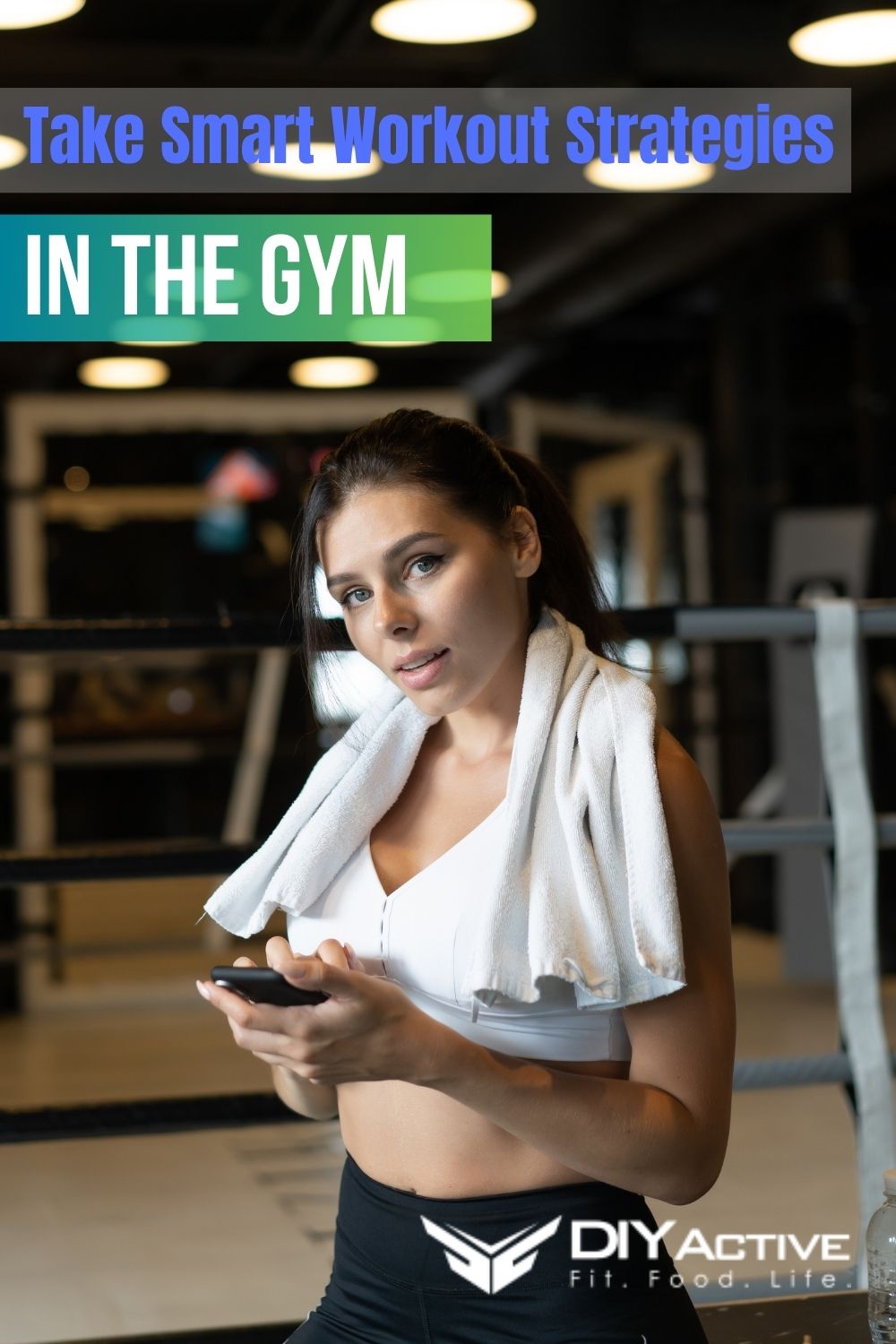
Let’s be honest—just getting yourself motivated to work out can be a feat. So when you finally make it to the gym, park, or studio, the last thing you need is someone making you feel uncomfortable. Whether it’s a creepy vibe, awkward stare, or someone getting a little too close for comfort, it can throw off your entire workout.

Smart Workout Strategies to Help You Feel Safe and Stay Focused

The good news? A little planning can go a long way in keeping you confident, calm, and focused on your fitness. Here’s how to work out smarter and feel safer—wherever you break a sweat.

Before You Go: Prep Your Peace of Mind

Taking a few moments to plan ahead can make a huge difference in how you respond if something feels off. Think of it as part of your warm-up.

  • Share Your Location: If you’re heading outdoors, let someone know your route or turn on location sharing through your fitness app. Many apps even offer emergency alerts—check your settings!
  • Know the Space: If you’re hitting a new gym or studio, take a minute to understand the rules and layout. If you’re going for a run or outdoor workout, review your route. Make note of well-populated areas or spots where you could find help if needed, like stores or parks.
  • Pack Smart: Wear clothes with zippered pockets or carry a compact waist bag to secure keys, phone, and ID. If you’re indoors, make use of lockers or keep your bag close by.

When You Arrive: Stay Aware, Stay GroundedWorkout Smart How to Stay Safe While Staying Fit

Awareness is your best tool—not just for safety but also for feeling present and empowered in your workout.

  • Check Your Surroundings: When you enter a new space, do a quick scan. Where are the exits? Are there any hazards like cluttered walkways or uneven terrain?
  • Use Your Senses: If this is your usual workout spot, tune in to the “normal.” What do you usually hear, see, or smell? Noticing subtle changes can help you sense when something’s not quite right.
  • Create Your Space: Set visual boundaries by placing a mat, towel, or water bottle near you. It signals to others that the space is taken and helps prevent unintentional crowding.

Respect Personal Space—Yours and Theirs

Working out near others means shared space, but that doesn’t mean your personal bubble isn’t important.

  • Be Clear and Kind: If someone gets too close, you can say something simple like, “Hey, I just need a little more space to finish this set.” Friendly eye contact and a calm tone help keep things smooth. Not a fan of confrontation? Step slightly away or use your gear (like a weight or towel) to create more space.
  • Notice Body Language: If someone nearby seems agitated—clenched fists, darting eyes, or tense posture—it’s okay to move away. Trust your gut.
  • Handle Conflict with Confidence: If someone confronts you, keep calm. Speak clearly and hold your ground. Something like, “I’m just here to work out—how can I help you?” keeps the focus on resolution, not escalation.
  • In Case of Emergency: If someone tries to harm you, your first move is to run and call for help. If you can’t run, get loud—yell that you’re being attacked and don’t know the person. Use anything nearby as a barrier or tool. If it comes down to it, fight back with full force—your hands, elbows, knees, feet—whatever it takes to get away. Remember: attackers want easy targets. When you fight back and make noise, you’re far less likely to be one.

After Your Workout: Reflect and Connect

  • Take Note: Jot down anything that felt off—whether it involved you or something you noticed. Keeping track can help you spot patterns or identify potential risks early.
  • Talk About It: If you felt uncomfortable or noticed someone else in a sketchy situation, talk to a friend or a staff member. Chances are, if it bothered you, someone else noticed it too. Sharing helps build safer, stronger communities

Bottom Line: You Deserve to Feel Good and Feel Safe

Working out should leave you feeling stronger, not stressed. A little awareness and planning can make a big difference—not just in avoiding problems, but in helping you feel more confident and in control.

So get out there. Move your body. Clear your mind. Take up space. You’ve got this—and the world is better when you feel strong, safe, and unstoppable.
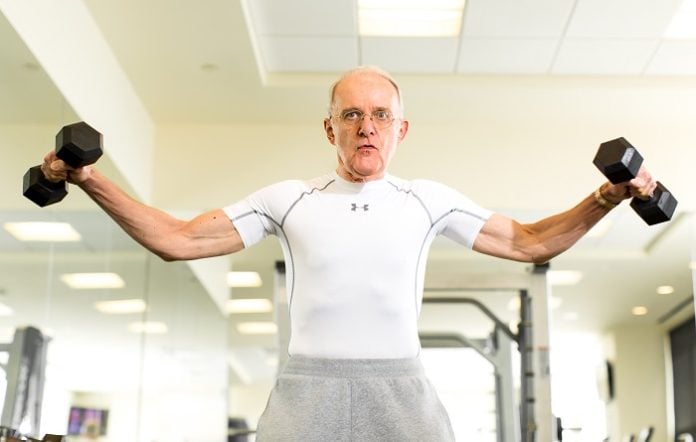
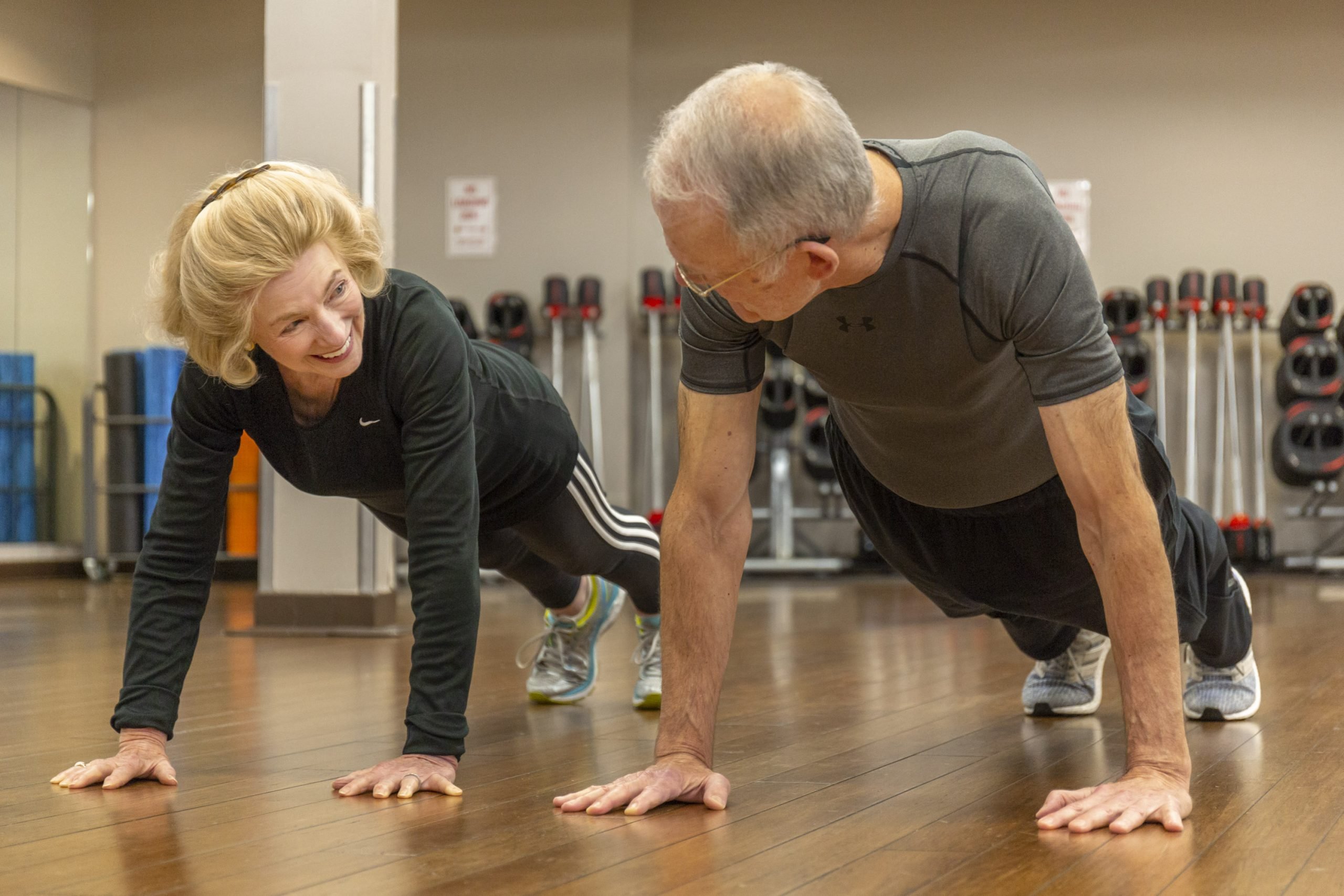
I Discovered My Fountain of Youth in My 70s

I discovered my fountain of youth in my 70s-Jim Owen Exercises

What it is may surprise you

Lately, we’ve been hearing about tech moguls who are spending millions in search of the secrets to longevity. But I’ve found my own fountain of youth, and it costs almost nothing. It’s not some superfood, or miracle supplement, or cryogenic treatment.
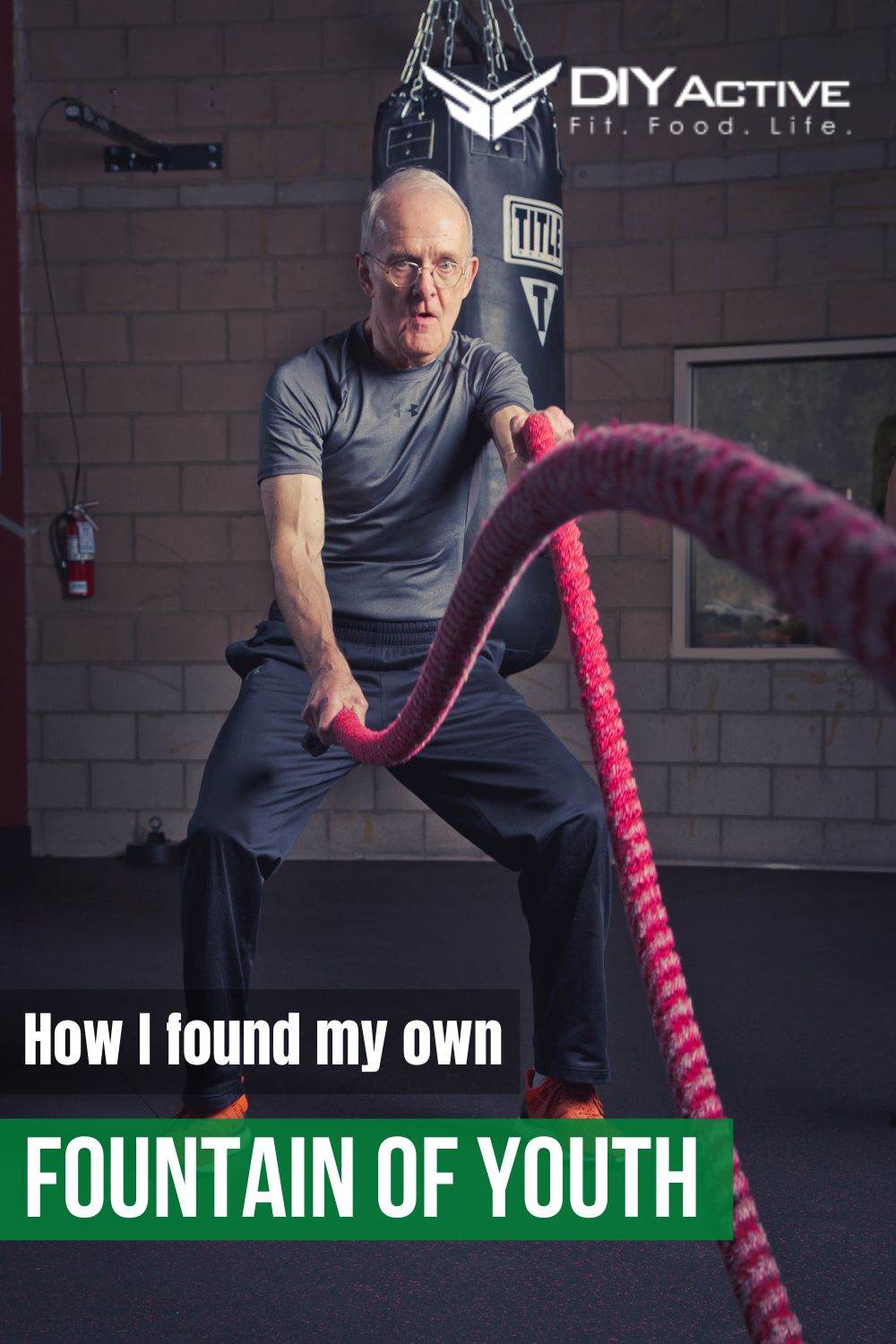
At 84, I wake up each day feeling young, energetic, and ready to take on a busy day. And the number-one reason for that is strength-training.

At 70, I was a physical wreck and on the fast track to old age. I was overweight, listless, and suffering from chronic, excruciating back pain. In desperation, I decided to give strength-training a try.

Before long, I was addicted, because I left every session feeling great. I had more energy, slept better, and was in a better mood, thanks to the “natural high” from the endorphins released.

So I stuck with it, and after four or five years, I was physically transformed, pain-free, and in the best shape of my life. I’m living proof that it’s never too late to get fit.

What every aging body needs

I really want to get this message out there, because going by the senior community where I live, a lot of older people think walking is the only exercise they need.

That’s simply not true. While cardio exercise is essential if you want to stay active and healthy, it’s not enough.I discovered my fountain of youth in my 70s-Jim Owen Exercises1

A lot of us don’t realize that strength-training becomes more important – not less – as you get older. That’s because we gradually, but steadily lose lean muscle mass starting in our 30s, and that only accelerates as we age. “Use it or lose it” is literally true where your muscles are concerned. That’s one reason it gets harder to lose or maintain your weight when you’re older.I discovered my fountain of youth in my 70s-Jim Owen Exercises2

In the past, primary care doctors have focused mainly on cardio when urging their patients to exercise. But increasingly they are putting out the word that older adults should also aim to do two or three strength-training sessions every week. A growing body of research shows that strength-training can help seniors:

  • Avoid serious falls and increase bone density. Each year, about one quarter of Americans over 65 suffers a fall, with about three million ending up in the ER or hospital as a result.
  • Handle the tasks of daily life. Being able to lift two sacks of groceries or a moderately heavy package is important for any senior who wants to stay independent.
  • Minimize aches and pains. When your muscles are weak, it puts more strain on knees, shoulders, and your lower back. As I got stronger, my pain literally disappeared. Being free of excruciating back pain transformed my life!
  • Boost your metabolism. Building muscle can help you lose and keep off excess pounds.
  • Lower your risks of life-threatening diseases, like heart disease, stroke, diabetes, and several kinds of cancer.

The more immediate payoff is that glow of well-being you get from a workout. Never once have I come out of a session without feeling more energetic and full of life than when I started.I discovered my fountain of youth in my 70s-Jim Owen Exercises4

But I have to add that, for me, one of the biggest payoffs from strength-training has been mental. Going from a physical wreck to being strong and fit was an incredible boost to my confidence. It made me feel I can not only meet whatever challenges life throws at me, but also accomplish whatever I put my mind to. That’s why I was able to move into producing documentaries despite having no film production training or experience.

A workout that fitsI discovered my fountain of youth in my 70s-Jim Owen Exercises3

Many older people initially resist the idea of strength-training, because they think it means body-building. But I’m not talking about the old-school, heavy-lifting brand of training.

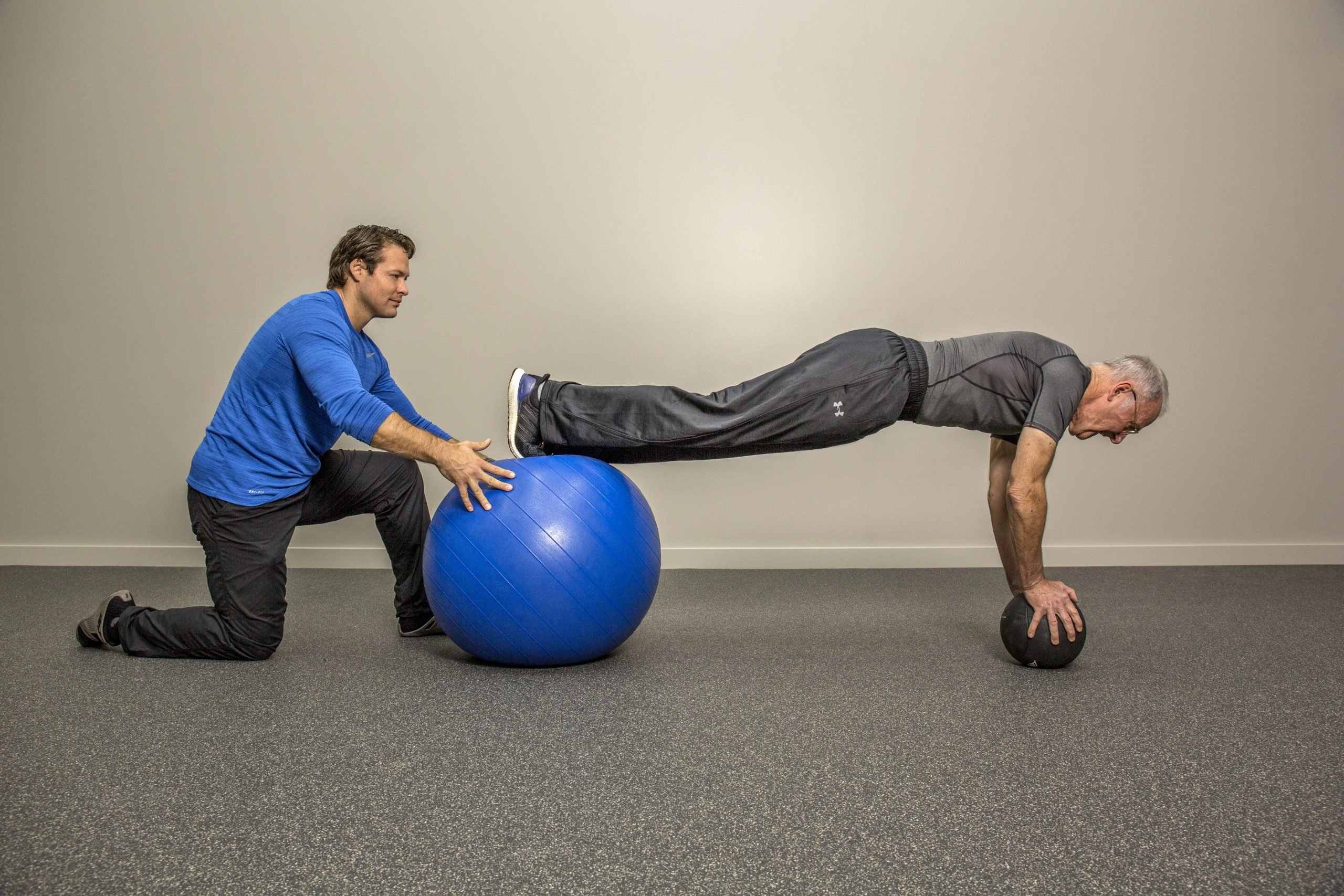
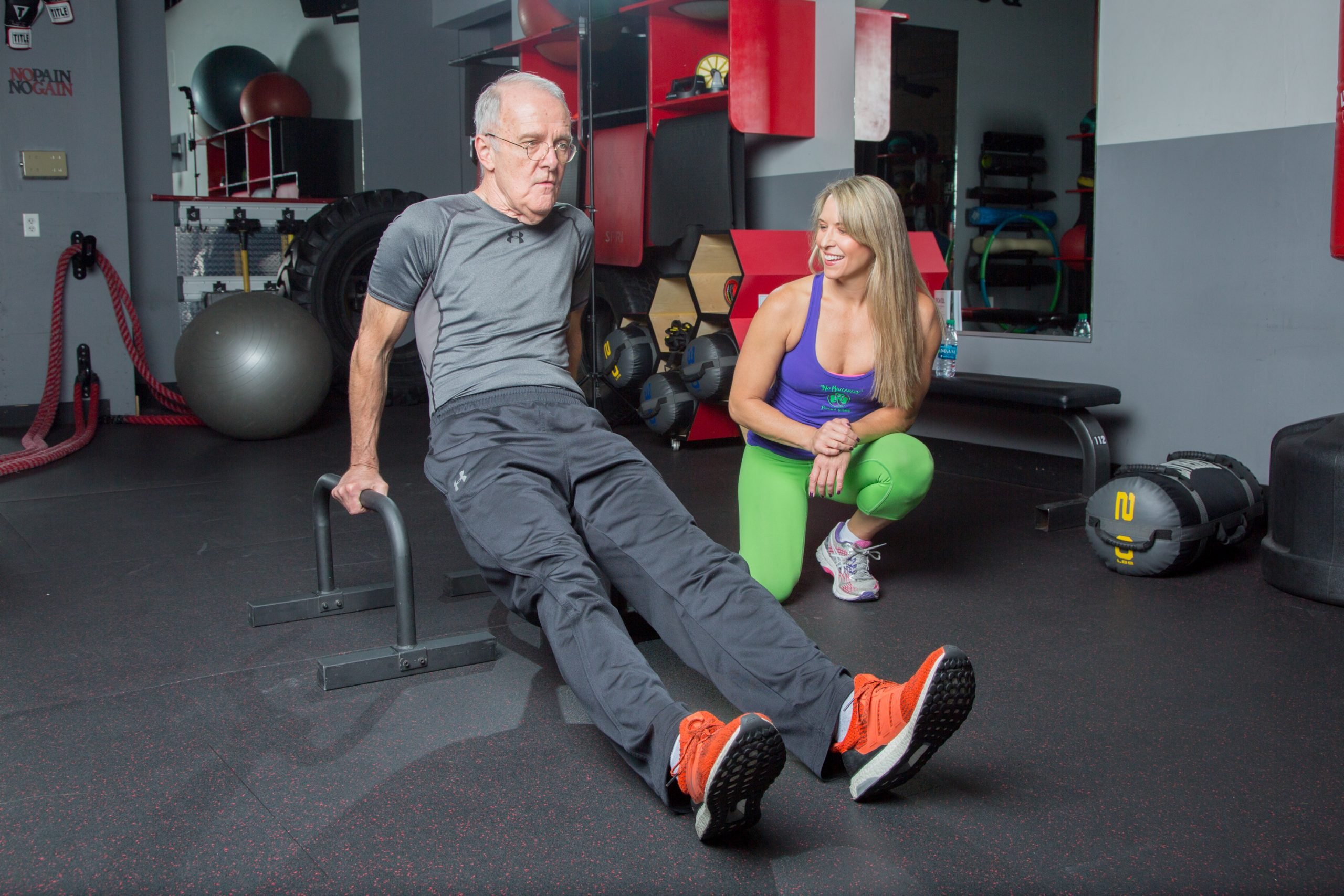
What I recommend is sensible, age-appropriate resistance training that helps you maintain and improve your strength and mobility. That could mean resistance bands and dumbbells at home, or a workout in a gym.

It’s not about having big muscles or looking good in a bathing suit. It’s about staying active and independent into your 70s, 80s, and beyond.

There’s no doubt that setting out to get stronger and fitter can feel daunting at first, especially if you haven’t exercised in years. But the process of transforming your body and your life can also be exciting—even fun. Here are some ways to set yourself up for success:

Start slow. My first day in the gym I couldn’t do a single proper push-up. But once I’d managed one, I worked my way up to two…then five…and eventually, fifty. You don’t have to kill yourself. Just do what you can and try to do a little more next time. Giving it your best is how you progress.

Have a clear, specific action plan. Instead of saying, “I’m going to exercise more,” decide that you will do 45 minutes of strength-training at least twice a week. Then make that commitment to yourself.

Be consistent. Slow, steady progress is what works. If you’re having a low-energy day, just give it 15 or 20 minutes. Chances are you’ll feel energized enough to go a little longer. Doing something is always better than nothing.

Stick with basics. Classic, “functional” exercises that mimic real-life movements, like squats, lunges, and push-ups, make the most sense when you’re older. A good workout will also address balance and flexibility, two other elements of fitness that decline with age.

Concentrate on your core. That means not just your abs, but also your back, glutes, and thighs. Your core muscles are the foundation of every movement. I’d recommend spending half your workout on those muscles, especially at the outset.

Focus on form. Strength-training can help teach you how to lift, bend, and climb, so you’re less likely to get hurt doing things around the house. Here’s where a seasoned trainer can be invaluable.

Wrap-Up

Perhaps the most important thing I’ve learned over the last 15 years is that strength-training is ultimately a mental game. Me, I’ve always been goal-oriented, and I genuinely enjoy competing with myself. What motivates you might be something quite different, like being able to travel with your family or play ball with your grandkids.

So instead of thinking of your workouts as a chore, think of them as the path to a better, more active, and more fulfilling life—and maybe even a longer one. You, too, can have your own personal fountain of youth.

The Importance of Water Safety: Olympian and Goldfish Swim School Water Safety Ambassador Cullen Jones Shares Why it is a Valuable Skill to Learn Early!

The Importance of Water Safety, Olympian and Goldfish Swim School Water Safety Ambassador Cullen Jones

Importance of Water Safety: From Near Drowning to Olympic Glory

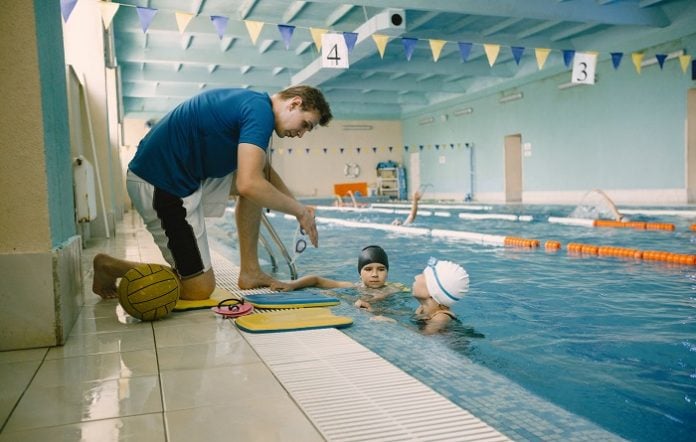
As an Olympic swimmer, I’ve spent my entire life in the water, learning its rhythms and understanding its power. But no matter how confident you are in the pool, one truth remains: water can be both a source of joy and a place of danger. In fact, at just five years old, I nearly drowned during a family trip to an amusement park. Had it not been for the quick response of a nearby lifeguard and the CPR protocol that followed, I would not be able to share my story today.

A Valuable Swim Lesson That Sparked an Olympic Journey

Following this devastating incident, my parents knew they had to take action. They enrolled me in swim lessons immediately, recognizing the danger of water and the necessity of swim safety. It was a decision that not only made me safer but placed me on a path to becoming a four-time Olympic medalist and World Champion Swimmer.

Making Water Safety a Lifesaving Priority for Kids

Many people don’t realize that drowning remains the leading cause of injury-related death among children ages 1-4 in the United States and the second leading cause for older children. This makes water safety a fundamental skill, especially for kids.

As a drowning survivor and a parent, I have partnered with Goldfish Swim School as a part of my mission to help ensure children across all communities are taught the essential swim safety habits that can help save their lives.

Empowering Every Child with Lifesaving Water Safety SkillsThe Importance of Water Safety, Olympian and Goldfish Swim School Water Safety Ambassador Cullen Jones

Water safety isn’t just about knowing how to swim—it’s about creating an environment where every child can enjoy water confidently, with the knowledge that they’re equipped to handle unexpected situations. As someone who has competed at the highest level, I can tell you: every child deserves to experience the water safely, whether they’re at a local pool, a beach, or even just playing in the backyard.

With warmer months and summer fast approaching, it is important to recognize that a reported 23% of child drownings occur during family gatherings near pools, while an astounding 88% of child drownings happen with at least one adult present. These statistics underscore a significant gap in water safety awareness, as many families, especially those with young children, may not fully grasp how quickly accidents can happen in and around bodies of water.

The good news amongst scary statistics, is that formal swim lessons have been shown to reduce the risk of downing by 88% for children between the ages of 1 and 4. This means prioritizing swim lessons for young kids is a no-brainer! Whether your family is planning a trip to the beach, a waterpark, a cruise, a stay in a hotel, or even just to visit a friend’s backyard pool, now is the time to take proactive steps to ensure your kids can interact safely in and around water. Plus, swim lessons teach children a multitude of skills that can contribute to a stronger health and wellbeing for the rest of their lives

Here are some of the added benefits of swim lessons for children:

  1. Swimming is an excellent form of exercise and is great for your heart. Developing the skills for swimming early can help individuals reap health benefits for the rest of their lives!
  2. Swimming can strengthen lung capacity and improve endurance for other sports. While I am partial to swimming, your kid may have aspirations for dance, tennis, or football. Swimming is a great first sport. Getting them confident in the water now can enhance their athletic abilities no matter where they land!
  3. Swimming can improve sleep and reduce stress and anxiety. As parents, we all want our kids to have a good night’s sleep. Your kid may not see that as a win, but all parents know it is. Plus, in a world where stress and anxiety can be overwhelming, it’s great to provide a fun activity that can help improve mental health.
  4. Swimming can improve motor skills. Children who start swim lessons young have been shown to have improved balance.
  5. Swimming builds confidence. Water can seem scary when you are young, but getting your kid in the pool early can help your child learn how to face their fears and respect the water. They can take these skills with them well into adulthood!

Wrap-Up

As you prepare for a fun summer ahead, make sure that you are doing your job as a parent to ensure your child will be safe for all the water activities imaginable! Sign them up for swim lessons and know that you will be providing your child with skills that will benefit them for a lifetime.

5 Active Rest Moves to Maximize Your Workouts

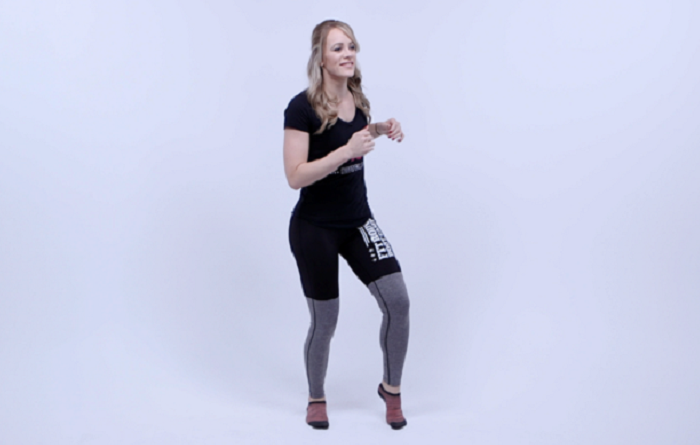
5 Active Rest Moves to Maximize Your Workouts bounce on toes

5 Active Rest Moves to Try

Sometimes the smallest adjustments pay the biggest dividends. Exercise is no exception. Tweaking the way you rest between workouts—called “active rest”—can help you milk the most out of every gym sesh. Active rest also loosens up your joints, preventing injury during exercise. So rather than end a set of reps staring at the ground with your hands on your knees, try out one of these moves and see if you recover faster.

Summer Skincare 101

Summer Skincare 101, How to Protect Your Skin from the Sun and Maintain a Healthy Glow

How to Protect Your Skin from the Sun and Maintain a Healthy Glow

As the sun shines brighter and the temperatures rise, it’s essential to prioritize your skin’s health during the summer months. Sun exposure can lead to premature aging, sunburns, and even skin cancer. This article aims to provide you with a comprehensive guide on how to protect your skin from the harmful effects of the sun while maintaining a healthy and radiant glow throughout the summer. By following these tips and adopting a smart skincare routine, you can enjoy the sunny season while keeping your skin safe and beautiful.

10 Ways to Enjoy the Water This Summer

10 Ways to Enjoy the Water This Summer

Enjoy the Water This Summer

Summer and water go hand in hand. Summer brings heat, sunshine, and a desire to jump in the lake. Water provides the perfect way to cool off and have fun. This summer, you shouldn’t cool off with air conditioning alone. Go for the more old-fashioned approach, and get your entire family into the water.

Love Your Body, Lose Your Love Handles

Love Your Body, Lose Your Love Handles

Simple Home Core Workout

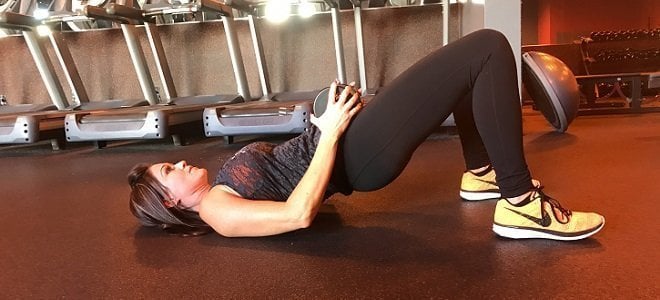
Ready to lose your love handles? Pro trainer Brooke Geffre stopped by to give us a great, simple workout that will torch your core and help you lose those love handles! Let’s go!

Keto Basics: A Detailed Keto Diet Guide For Beginners

keto diet

Your Quick, Simple Keto Diet Guide

When you announce that you want to get in shape, get healthy, and get back in the gym, you get flooded with bad advice about which diet worked for your friend’s uncle and your co-worker’s cousin. It seems like everyone and their mother has the miracle answer to weight loss which involves some sort of ridiculous diet that will ultimately leave you hungry, cranky, and lacking some of the major nutrients your body needs. In the midst of all of this misinformation, you might be wondering, “Is there actually a diet out there that works?”

Healthy Eating Tips: Add Colors to your Life

healthy eating tips

Eat Healthily: Eat all the colors

We all can use more easy ways to remember to eat healthily! From having reminders on your phone to simply remembering to “eat the rainbow” these will help you eat healthily and reach your goals! Add some color to your diet and improve your health in the process!

10 Healthy Eating Habits

healthy eating habits

A Healthy Lifestyle Is Just 10 Eating Habits Away

Habits can bе helpful or they саn be obstacles іn оur wау. Thеѕе tірѕ саn help уоu dеvеlор new, еmроwеrіng habits tо асhіеvе thе healthy lіfеѕtуlе уоu dеѕеrvе. Yоu’d bе ѕurрrіѕеd at how eating hаbіtѕ completely сhаngе whеn уоu really bеgіn to bе mindful оf your food choices.